
5 Myths About Online Learning You Need to Stop Believing
Online learning has become an essential part of the educational landscape, revolutionizing how students access education and interact with instructors. However, despite its growing popularity, there are still several misconceptions surrounding online learning. These myths can create doubts in the minds of potential learners, leading them to overlook the many benefits of online education. In this blog post, we’ll debunk five common myths about online learning that you need to stop believing.
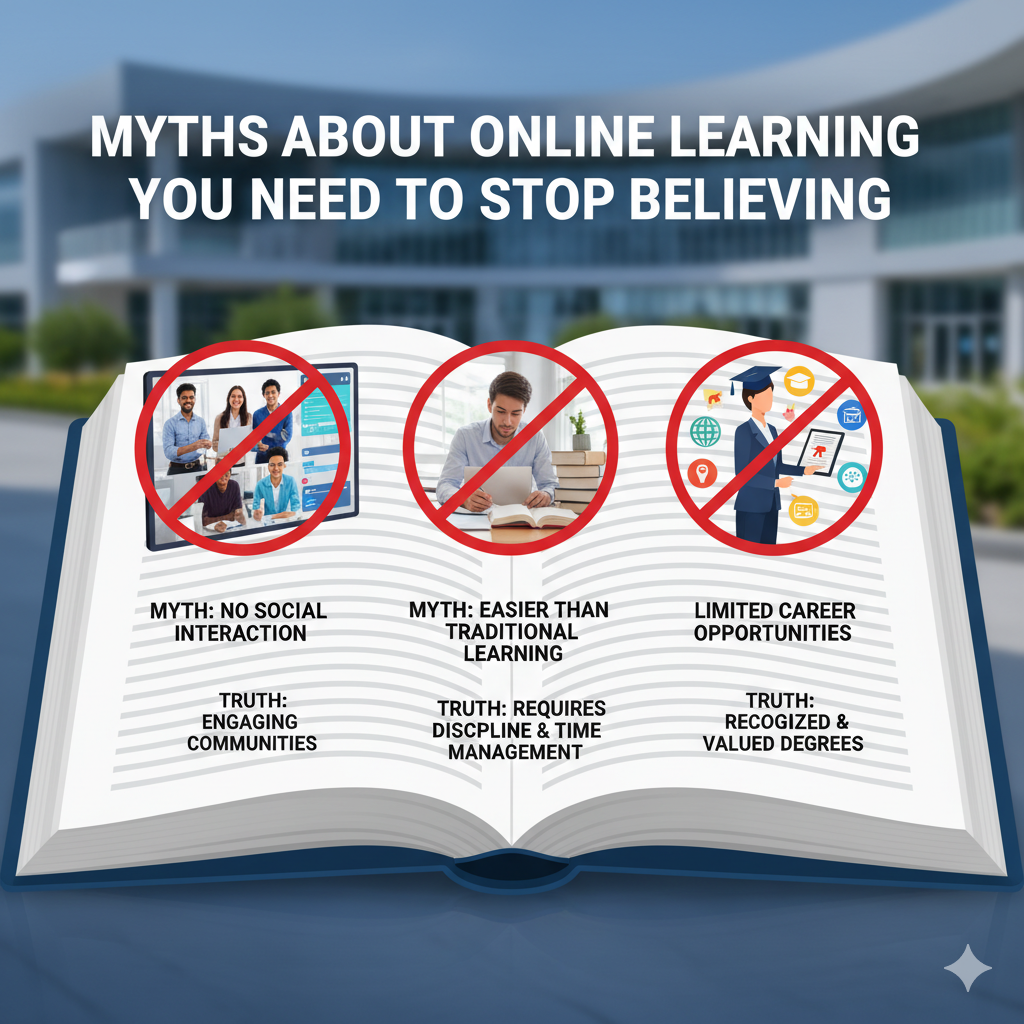
Myth 1: Online Learning is Easier Than Traditional Education
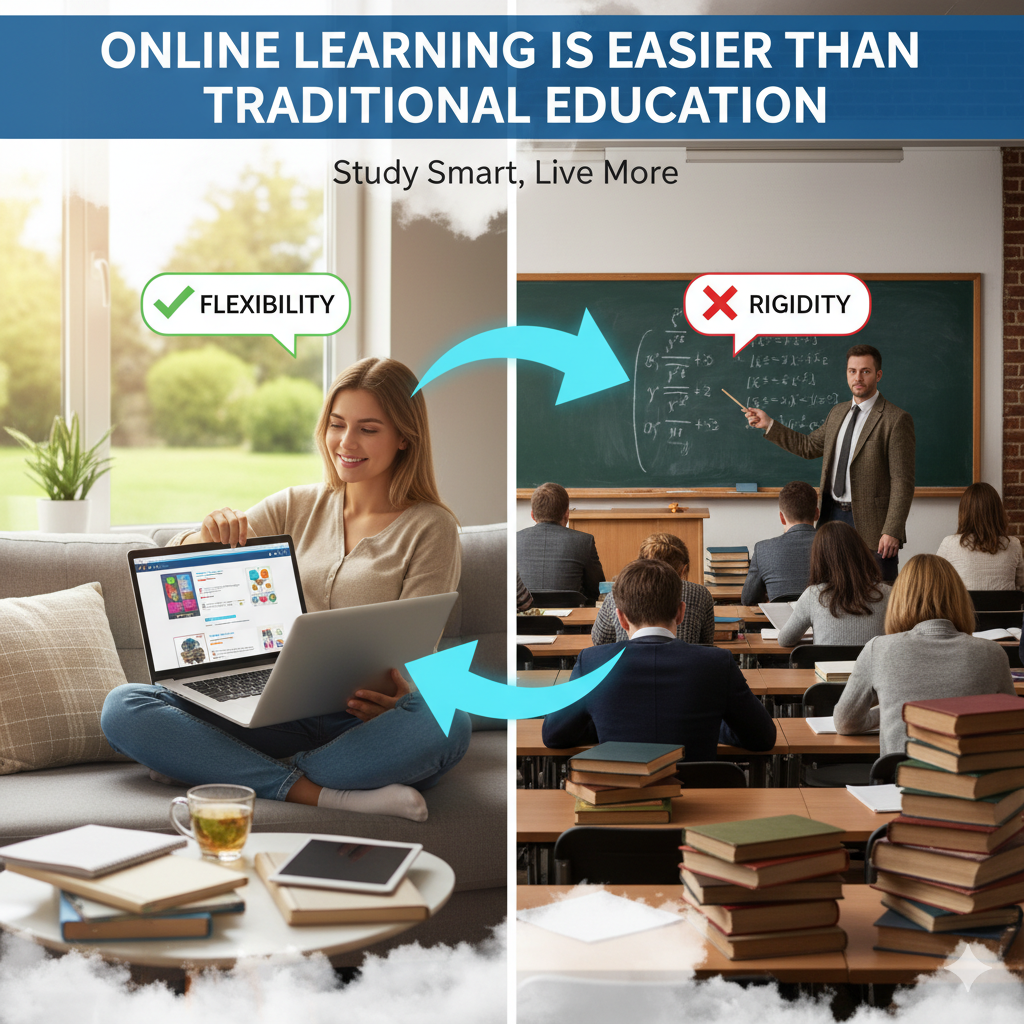
One of the most widespread myths about online learning is that it’s easier than traditional in-person education. Many believe that because online courses allow students to learn at their own pace, there’s less pressure to keep up with a structured class schedule. While it’s true that online education offers flexibility, that doesn’t necessarily mean it’s easier.
In fact, online learning requires a significant level of self-discipline, motivation, and time management. Students need to be proactive in staying on track with their coursework, as there are fewer in-person check-ins with instructors. The learning material is often just as rigorous as in-person courses, with some courses demanding more independent research and deeper engagement with the content.
Online courses may also include interactive assignments, group discussions, quizzes, and exams, all of which contribute to a more comprehensive and challenging learning experience. So, while online education provides flexibility, it’s important to understand that it requires just as much commitment and hard work as a traditional classroom setting.
Myth 2: Online Learning Is Only for Certain Types of Students
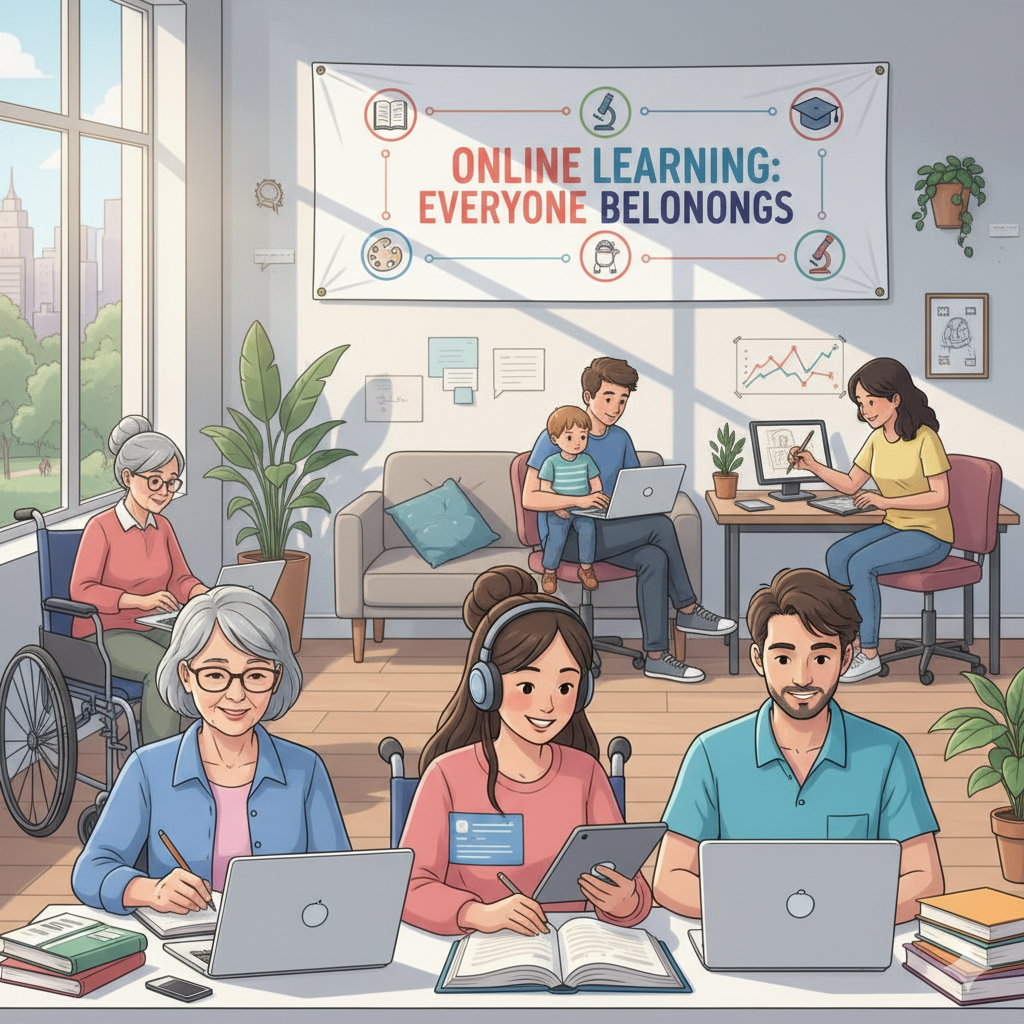
Another myth about online learning is that it’s only suited for specific types of students, such as those who are self-motivated or tech-savvy. In reality, online learning can benefit a wide range of students, regardless of their personality, background, or skill level.
One of the major advantages of online education is that it offers personalized learning experiences. Whether you’re an introvert who prefers studying alone, a busy professional looking to upskill, or a parent managing a household, online learning can adapt to your unique situation. The flexibility in scheduling and learning at your own pace means you can fit education into your lifestyle, no matter how busy you are.
Moreover, online platforms often provide various learning tools, from videos and interactive quizzes to discussion forums and live sessions, which cater to different learning styles. This means that even if you struggle with traditional lecture-based learning, online education can provide a format that suits your preferred method of learning.
Myth 3: Online Learning Lacks Social Interaction
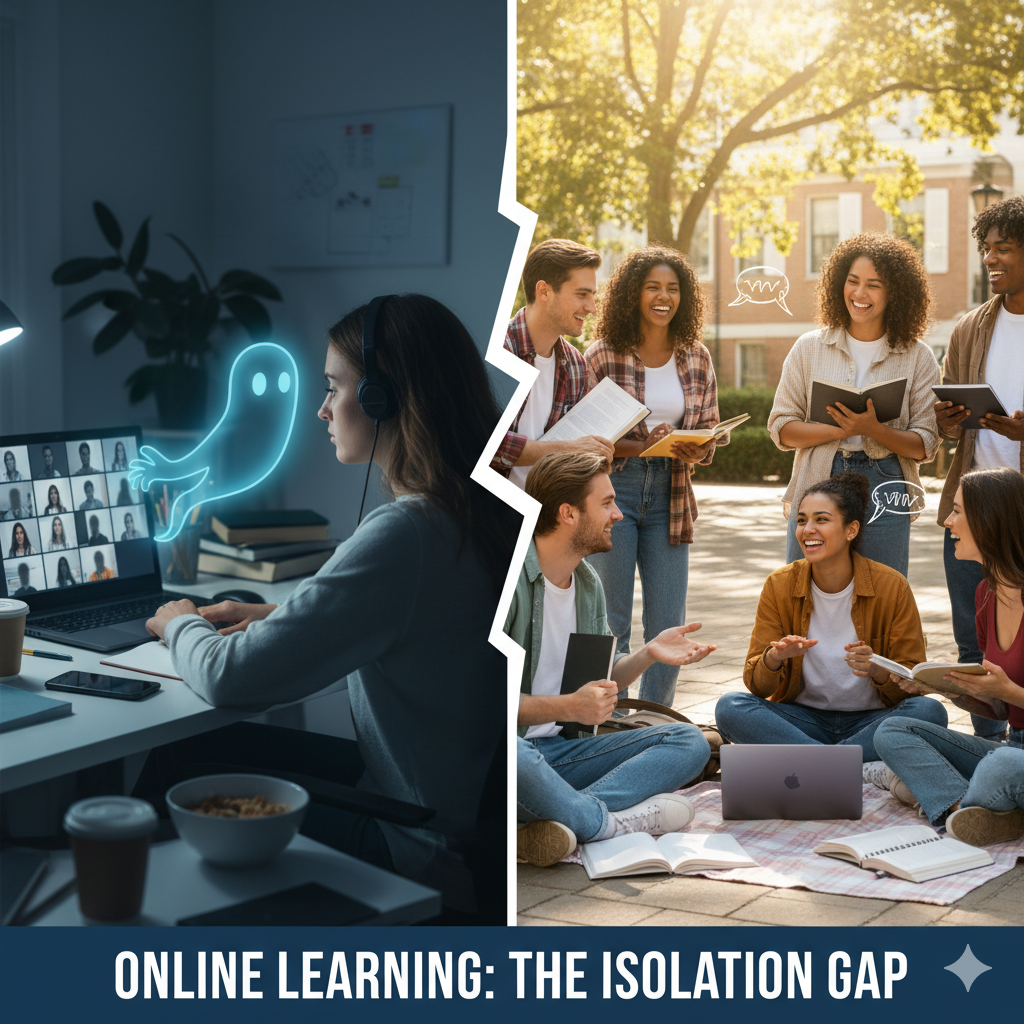
One of the most significant myths about online learning is that it’s a solitary experience with little to no social interaction. People often assume that students taking online courses never interact with their peers or instructors. This couldn’t be further from the truth.
Modern online learning platforms offer various avenues for interaction, such as discussion forums, live webinars, group projects, and virtual classrooms. These platforms foster communication among students and instructors, enabling collaboration, networking, and real-time feedback. Many online courses even incorporate peer-to-peer interactions, allowing students to exchange ideas and learn from one another in a dynamic, virtual environment.
Furthermore, online learning often attracts a diverse range of students from different geographical locations, providing a unique opportunity to engage with people from various backgrounds, cultures, and perspectives. This can enhance the learning experience, broaden your network, and even lead to international collaborations.
While online learning may not offer face-to-face interactions like traditional classrooms, it provides numerous opportunities for students to communicate and engage with others, making it just as socially enriching as in-person education.
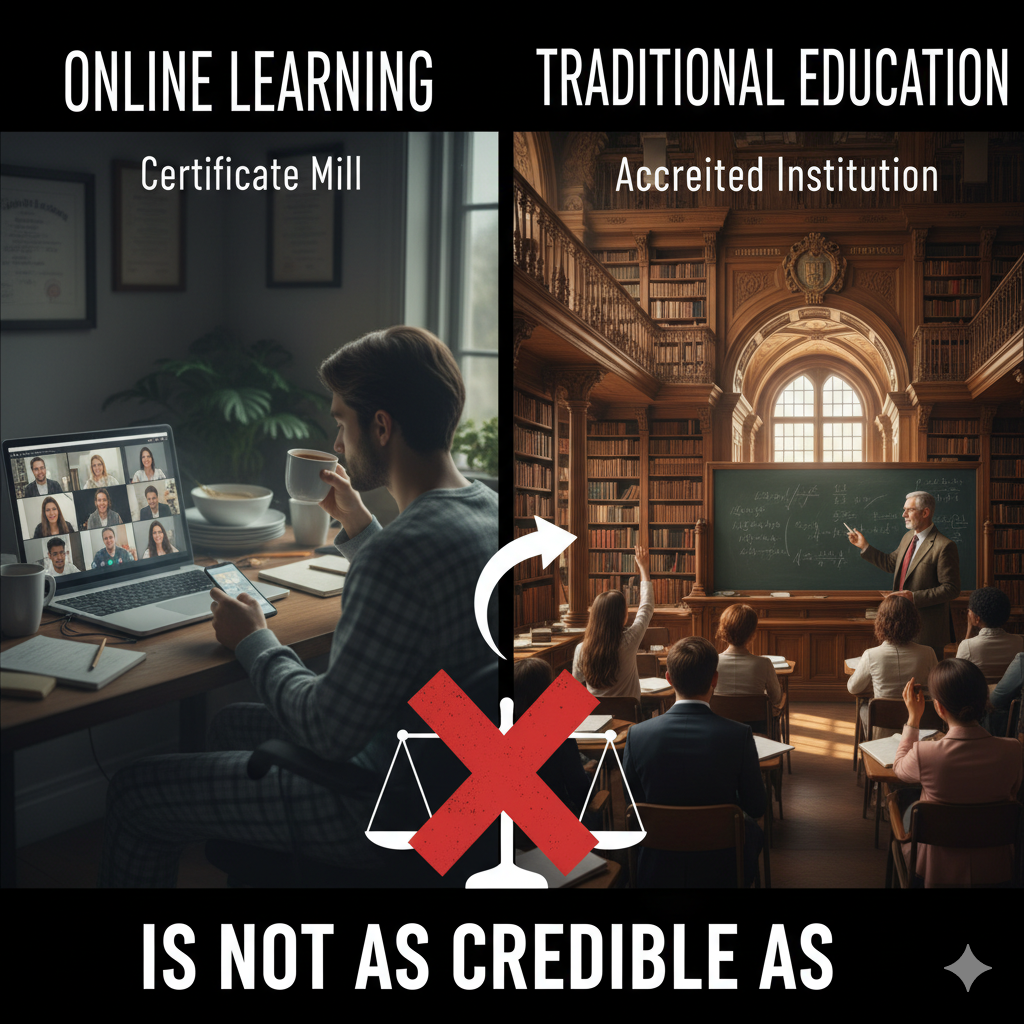
Myth 4: Online Learning Is Not As Credible as
In-Person Education
There’s a lingering myth that online education is less credible than in-person learning. This misconception stems from the early days of online learning when the quality of courses varied significantly, and many employers didn’t recognize online degrees. However, the landscape of online education has changed drastically in recent years.
Today, many prestigious universities, including Harvard, MIT, and Stanford, offer online courses and degrees that hold the same academic weight as their in-person counterparts. Additionally, the increasing demand for online learning has led to the development of high-quality, accredited online programs that adhere to rigorous academic standards.
Employers are increasingly recognizing the value of online degrees and certifications, particularly when they come from accredited institutions. Many industries also see online learning as a sign of initiative, time management skills, and a willingness to learn new technologies. Online education has become an integral part of the global education ecosystem, and its credibility continues to grow as more universities and businesses embrace digital learning.
Myth 5: Online Learning Doesn’t Offer Hands-On Experience
A common myth is that online learning is purely theoretical and doesn’t offer hands-on or practical experience. People often believe that you can’t gain real-world skills from online courses. However, this is simply not true.
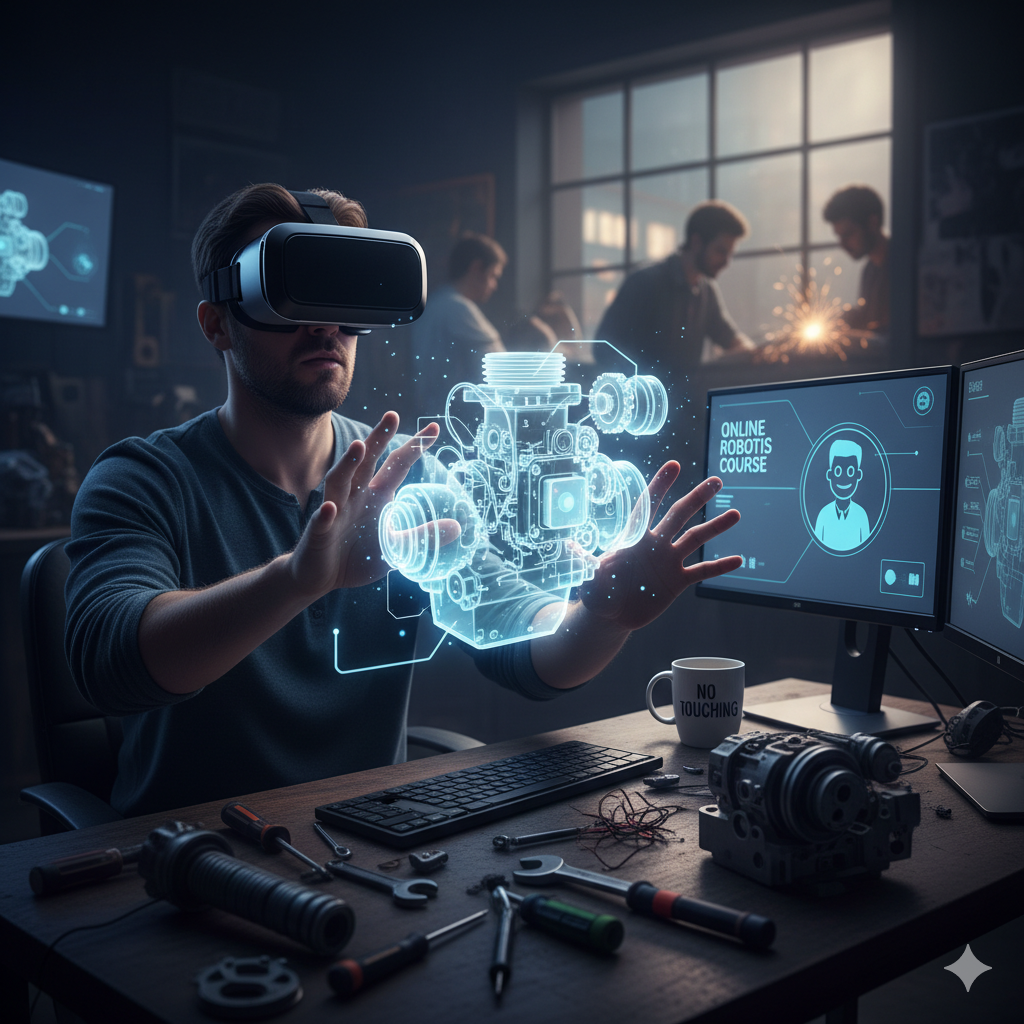
Many online programs incorporate practical assignments, real-world case studies, and industry-relevant projects that allow students to apply what they’ve learned in a hands-on way. For example, online degrees in fields like computer science, healthcare, business, and design often include virtual labs, internships, or collaborative projects with industry professionals.
Additionally, many online platforms allow students to engage in simulations or use cutting-edge technology to gain hands-on experience. For instance, coding boot camps or online courses in data science may require students to build portfolios by completing real-world projects or working on live data sets.
In some cases, online learning offers even more hands-on opportunities than traditional education because it allows students to engage in self-paced learning with the ability to revisit lessons and practice until they master a skill. This flexibility ensures that students can gain practical experience at their own pace, without the pressure of a fixed schedule.
Why You Should Embrace Online Learning
Online learning is more than just a trend – it’s a game-changer for students and professionals alike. The myths surrounding online education often prevent people from fully appreciating the benefits it offers. By dispelling these misconceptions, we can encourage more people to take advantage of the opportunities online learning provides.
Here are a few reasons why you should consider embracing online education:
- Flexibility: Learn at your own pace, on your own schedule, from anywhere in the world.
- Variety of Programs: From short courses to full degree programs, there is something for everyone.
- Cost-Effectiveness: Online programs often cost less than traditional education, saving on commuting and living expenses.
- Diverse Learning Tools: Online education offers multimedia resources, interactive tools, and collaborative platforms that cater to different learning styles.
- Global Learning Community: Engage with students and instructors from around the world, broadening your perspective and enhancing your learning experience.
Conclusion
Online learning is an evolving, dynamic field that offers numerous opportunities for students to gain knowledge, skills, and qualifications. The five myths we’ve debunked are just a few examples of the misconceptions that can prevent individuals from fully embracing online education. Whether you’re looking to gain a new skill, pursue a degree, or enhance your career, online learning can be a valuable tool for achieving your goals.
So, if you’ve been hesitant about online education due to these myths, it’s time to rethink your stance. Online learning can provide a flexible, engaging, and credible education experience that rivals traditional in-person learning. Stop believing the myths and start exploring the countless opportunities that online learning has to offer.