
Title: How to Balance Study Time and Social Life — The Secret Formula Every Student Needs!
Introduction
Ever felt like your textbooks are chasing you while your friends are calling you out for a night of fun? You’re not alone! Striking the right balance between study time and social life is one of the toughest challenges students face. Too much studying can lead to burnout, while excessive socializing might sink your grades. The suspenseful truth is — most students fail at finding this balance, not because they’re lazy or unorganized, but because they don’t know how to manage their priorities. In this blog, we’ll uncover the secret formula that helps high achievers manage both worlds without losing their sanity. From smart time management hacks to understanding the psychology of productivity, you’ll discover how to enjoy your life and ace your exams. Let’s decode the art of balance once and for all!
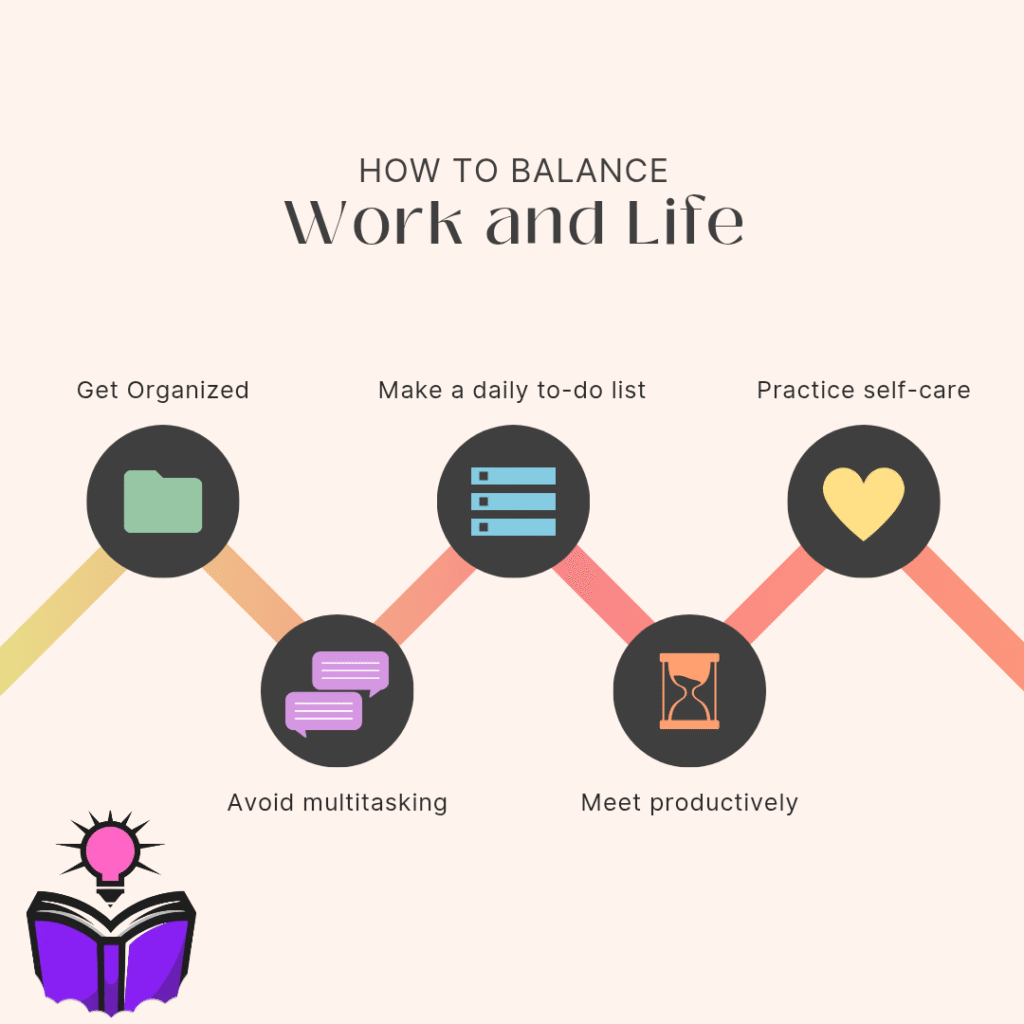
1. Why Balancing Study and Social Life Matters
Balancing study and social life isn’t just about having fun while passing exams — it’s about building a sustainable lifestyle. Students who learn this art early perform better academically and emotionally. When you balance both, your brain functions more efficiently, creativity flourishes, and stress levels drop. On the flip side, ignoring social connections can make you feel isolated and anxious, which affects concentration. Likewise, partying too often can drain your energy and lower your academic performance.
According to research, students who maintain healthy social interactions experience improved memory retention and problem-solving skills. A balanced routine boosts self-discipline and emotional intelligence — two traits employeradmire. Think of your life as a see-saw: too much weight on one side and everything topples over. Maintaining balance ensures stability, happiness, and long-term growth.

2. The Science Behind Effective Time Management
Here’s the suspense — the real key to balance lies in your brain’s ability to focus and rest at the right times. The “Pomodoro Technique,” where you study for 25 minutes and rest for 5, is scientifically proven to enhance concentration. When you reward yourself with social breaks, your brain associates studying with positivity rather than pressure.
Use tools like planners, digital calendars, or study apps to track your schedule. Create a weekly routine that allocates specific hours for studying, workouts, family, and friends. Stick to it like a contract with yourself. Avoid multitasking — it divides focus and kills productivity. Instead, use “deep work” sessions: 90 minutes of total focus, then a 20-minute recharge. The secret is consistency, not intensity. Over time, you’ll find that studying smartly for 3 hours beats cramming for 8

3. Smart Tips to Maintain the Perfect Balance
✅ Set Priorities: Know what’s urgent versus what’s important. Use the 80/20 rule — 80% of your results come from 20% of your efforts.
✅ Plan Social Activities in Advance: Schedule your hangouts after completing key study tasks. This turns fun into a reward system.
✅ Say No Wisely: Don’t feel guilty for skipping one night out before exams. Real friends understand your goals.
✅ Use Technology: Apps like Google Calendar, Notion, or Trello can help you organize tasks and track study sessions efficiently.
✅ Stay Physically Active: Exercise balances your mood hormones, helping you stay calm and productive in both study and social life.
✅ Practice Mindfulness: Meditation and journaling can keep you emotionally centered, preventing burnout.
✅ Avoid the “All or Nothing” Trap: You don’t have to choose between being a nerd or a social butterfly. Be both — but in moderation.
By following these practical habits, you’ll realize that balance isn’t about doing everything; it’s about doing the right things at the right time.

4. Real-Life Example: The Student Who Mastered Balance
Meet Sara, a university student who used to stay up all night before exams and miss her friends’ gatherings. Her grades suffered, and she felt isolated. Then she started following a “3:1 rule” — three hours of focused study followed by one hour of social relaxation. Within two months, her GPA rose, and she felt mentally fresher. Sara didn’t quit fun; she redefined it. Her story proves that balance is not a myth — it’s a method!
Balancing study and social life isn’t about cutting one short; it’s about mastering time, energy, and mindset. Life as a student should be exciting — full of laughter, learning, and growth. Remember, success isn’t built in isolation; it’s crafted through smart work, strong relationships, and a clear purpose. Every moment you manage wisely takes you closer to the future you dream of. So next time you’re torn between a study session and a night out, pause and ask yourself — which choice supports your balance today?