
How to Create a Balanced Study Routine: A Complete Guide for Students
A balanced study routine is one of the most powerful tools for academic success—and yet it’s something many students struggle to build. Between assignments, exams, extracurriculars, and personal commitments, finding the right study rhythm can feel overwhelming.
The good news? With the right strategies, you can create a study routine that boosts productivity, reduces stress, and helps you learn smarter—not harder.
This guide walks you through how to create a balanced study routine that fits your lifestyle, keeps you motivated, and supports long-term success.

Why a Balanced Study Routine Matters
A well-planned study routine does more than organize your time—it improves learning outcomes. Here’s why:
- Reduces stress by giving structure to your workload
- Improves memory through consistent study sessions
- Prevents burnout with built-in rest periods
- Boosts productivity by eliminating procrastination
- Creates healthy habits that support lifelong learning
Whether you’re in high school, college, or an online course, a balanced routine helps you stay focused and in control.
1. Start by Setting Clear Study Goal
Your routine should align with your personal academic goals. Before planning your schedule, ask yourself:
- What subjects or topics do I need to focus on?
- Are there upcoming exams or project deadlines?
- How many hours can I realistically commit each day?
Setting clear goals gives purpose to your schedule and helps you prioritize whatmatters most.

2. Understand Your Peak Productivity Hours
Everyone has certain times of the day when their brain works best.
Some students focus better early in the morning, while others perform well in the afternoon or late evening.
Identify your peak hours by noticing when you feel:
✔ most alert
✔ least distracted
✔ most motivated
Study your hardest subjects during these high-energy periods for better results.
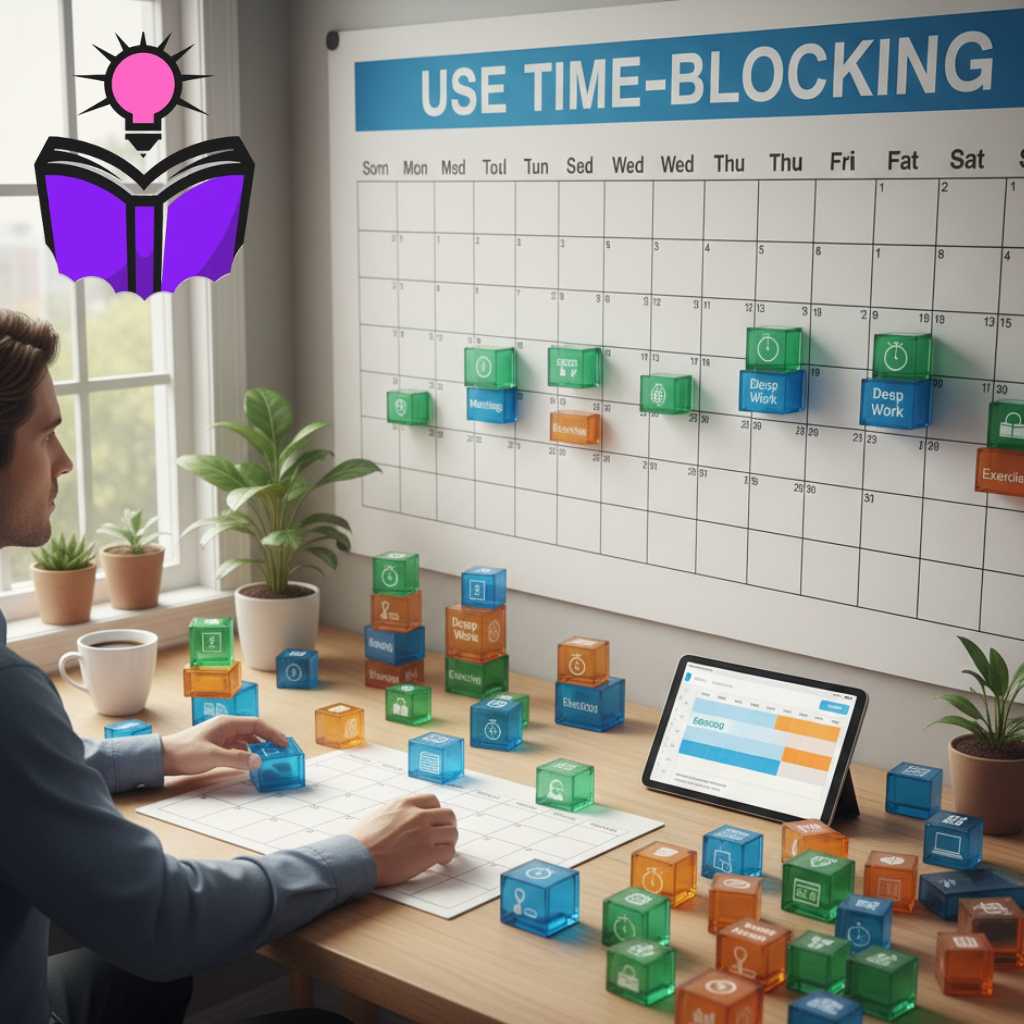
3. Use Time-Blocking to Structure Your Day
Time-blocking is a powerful method used by top students and professionals.
It involves dividing your day into blocks of time dedicated to specific tasks.
Example:
- 9:00–10:00 AM: Review lecture notes
- 10:00–11:00 AM: Math practice
- 11:00–11:30 AM: Break
- 11:30–12:30 PM: Complete assignments
This method helps you stay organized, focused, and disciplined throughout the day.
4. Keep Study Sessions Short and Effective
Long, exhausting study hours often lead to burnout.
Instead, use short but focused study intervals.
Popular methods:
- Pomodoro Technique: 25 minutes study + 5 minutes break
- 52/17 Rule: 52 minutes study + 17 minutes rest
- 90-minute deep work sessions for complex tasks
Short study bursts improve concentration and keep your energy high.

5. Prioritize Difficult Subjects First
Most students postpone challenging subjects—but this increases stress.
By tackling difficult material when your mind is fresh, you:
- Understand concepts better
- Build confidence
- Reduce last-minute pressure
Do the hardest task first, and the rest of your day becomes easier.
6. Include Breaks and Relaxation Time
Balanced study routines must include time for rest.
Breaks are essential for memory consolidation, mental clarity, and preventing burnout.
During breaks, avoid screens. Instead try:
- Stretching
- Going for a walk
- Drinking water
- Listening to calming music
Your brain needs downtime to recharge and perform well.

7. Stay Organized With Study Tools
Use digital and physical tools to manage your workflow:
- Google Calendar – schedule study sessions
- Notion/Trello – track tasks and deadlines
- Study apps like Forest, Quizlet, or Evernote
- Physical planners for a hands-on approach
Organization reduces stress and keeps your routine flowing smoothly.⁸

8. Review and Adjust Your Routine Weekly
A balanced study routine isn’t static—it evolves.
Reflect on your week and ask yourself:
- Did I meet my study goals?
- Which subjects need more time?
- Was my schedule realistic?
Adjust your routine as needed. Flexibility ensures long-term success.
9. Maintain a Healthy Lifestyle
Your study routine becomes more effective when supported by good habits:
- Sleep at least 7–8 hours daily
- Eat nutritious meals
- Stay hydrated
- Exercise regularly
- Keep your workspace clean
A healthy body fuels a productive mind.

Final Thoug
Creating a balanced study routine doesn’t need to be complicated. With clear goals, consistent habits, and the right strategies, you can build a routine that supports your academic growth while giving you time for rest and personal activities.
Remember: the goal isn’t to study more—it’s to study smarter.
Start today, stay consistent, and watch your productivity soar.