
What’s Next for Education Post-Pandemic? The Future No One Saw Coming
The world expected education to recover after the pandemic — but few anticipated it would evolve. Classrooms reopened, laptops closed, and students returned. Yet something had changed forever.
A quiet transformation was already underway, and its impact is only now becoming visible.
Today, the biggest question educators, parents, and policymakers ask is:
What’s next for education in a world that refuses to return to “normal”?
Let’s explore the shifts that are reshaping learning — and uncover what the future might hold.
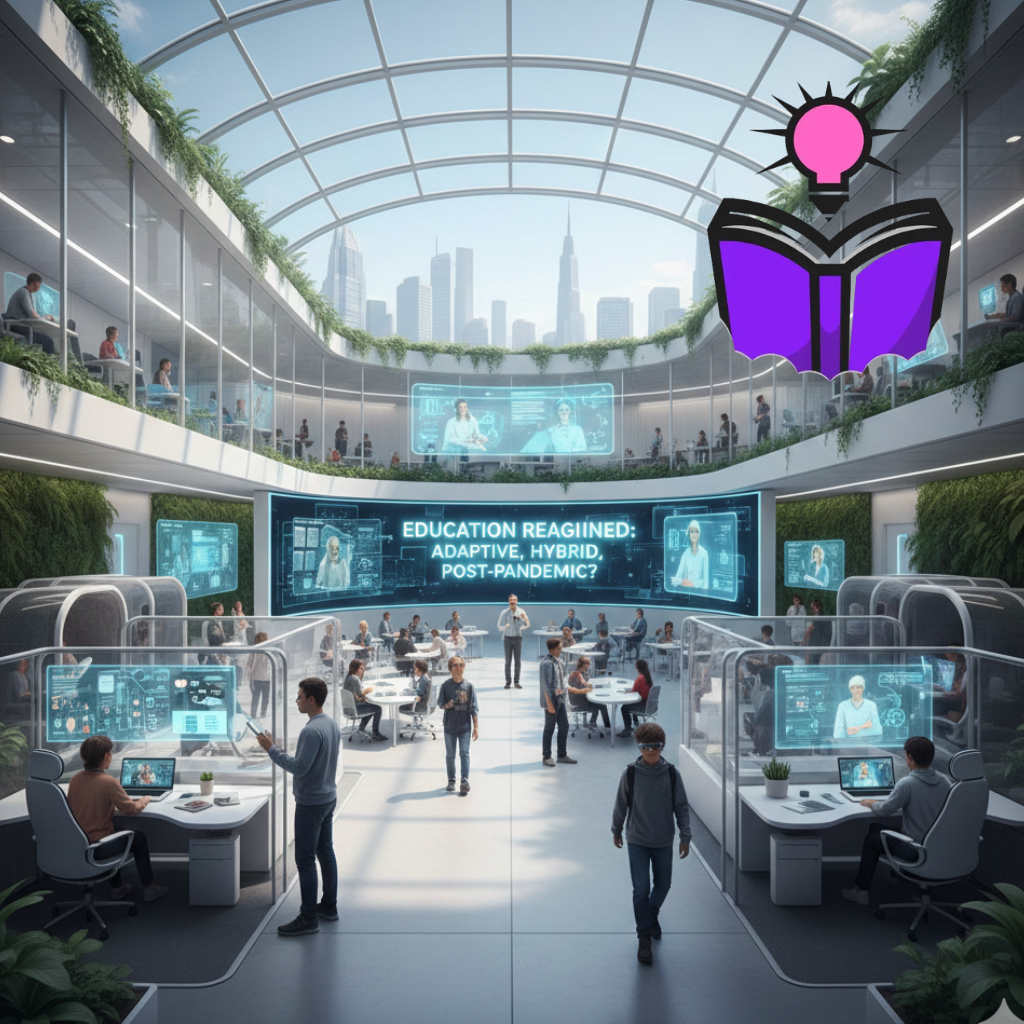
1. Hybrid Learning Isn’t a Trend — It’s the New Core Model
When remote learning first swept the globe, it was a necessity. Now, it’s an asset.
Schools and universities are adopting hybrid learning ecosystems, where students can move between in-person and online formats seamlessly. The surprise? Many students perform better when given flexibility.
Why Hybrid Learning Is Here to Stay
- Students learn at their own pace
- Schools reach learners beyond geographical boundaries
- Parents gain more visibility into educational progress
- Teachers use digital analytics to personalize instruction
The suspense doesn’t lie in whether hybrid learning will stay — it lies in how far it will go.
Will future classrooms become optional? Will virtual spaces replace physical campuses?
The answers are unfolding.
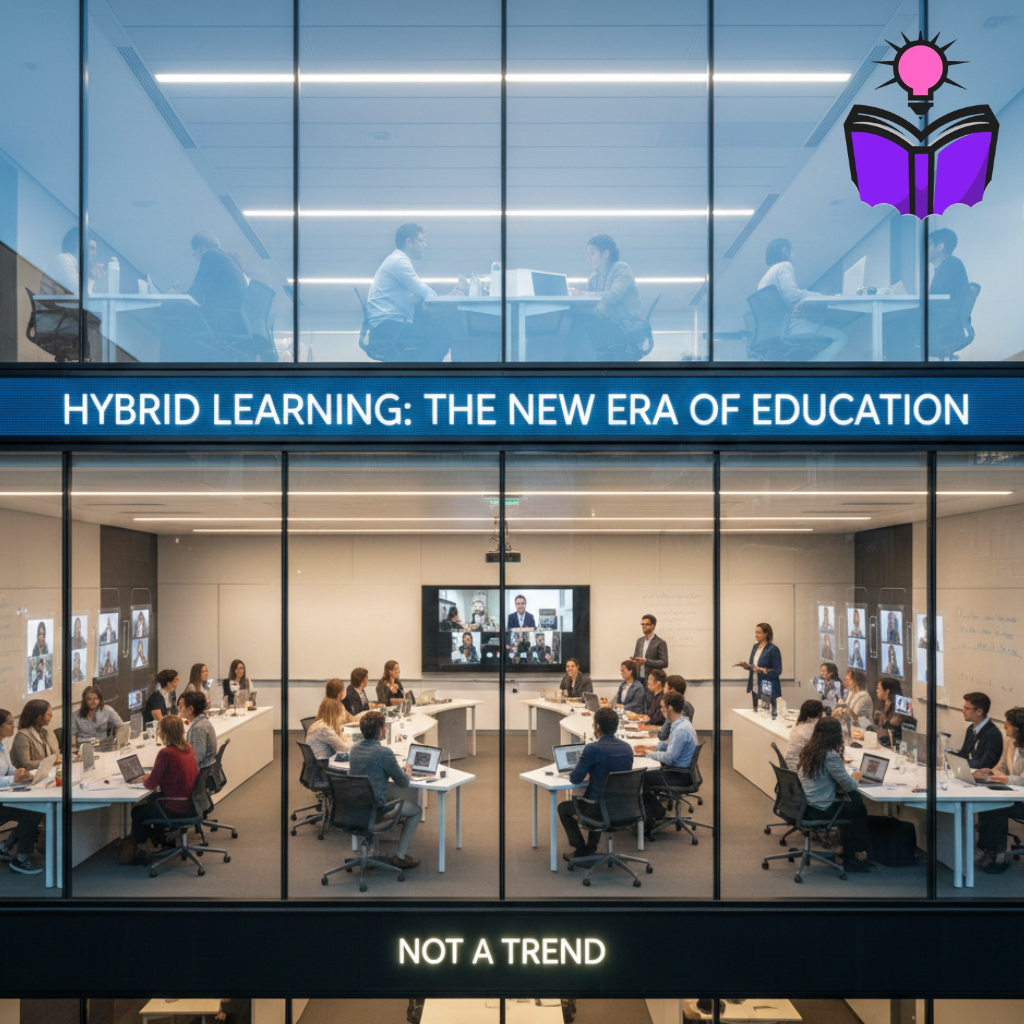
2. AI in Education: The Tool That Changes Everything
You’ve heard the predictions. You’ve read the headlines.
But the real shift is happening quietly: AI-powered learning personalization.
No two learners are alike, and AI may soon become the first system capable of customizing lessons for millions at once.
AI Tools Transforming Today’s Classrooms
- Adaptive learning platforms that adjust difficulty in real time
- AI writing and tutoring assistants for instant support
- Predictive analytics to identify learning gaps before they become failures
This isn’t the future — it’s happening now.
And the biggest suspense is this: How much will AI shape how students think and learn?
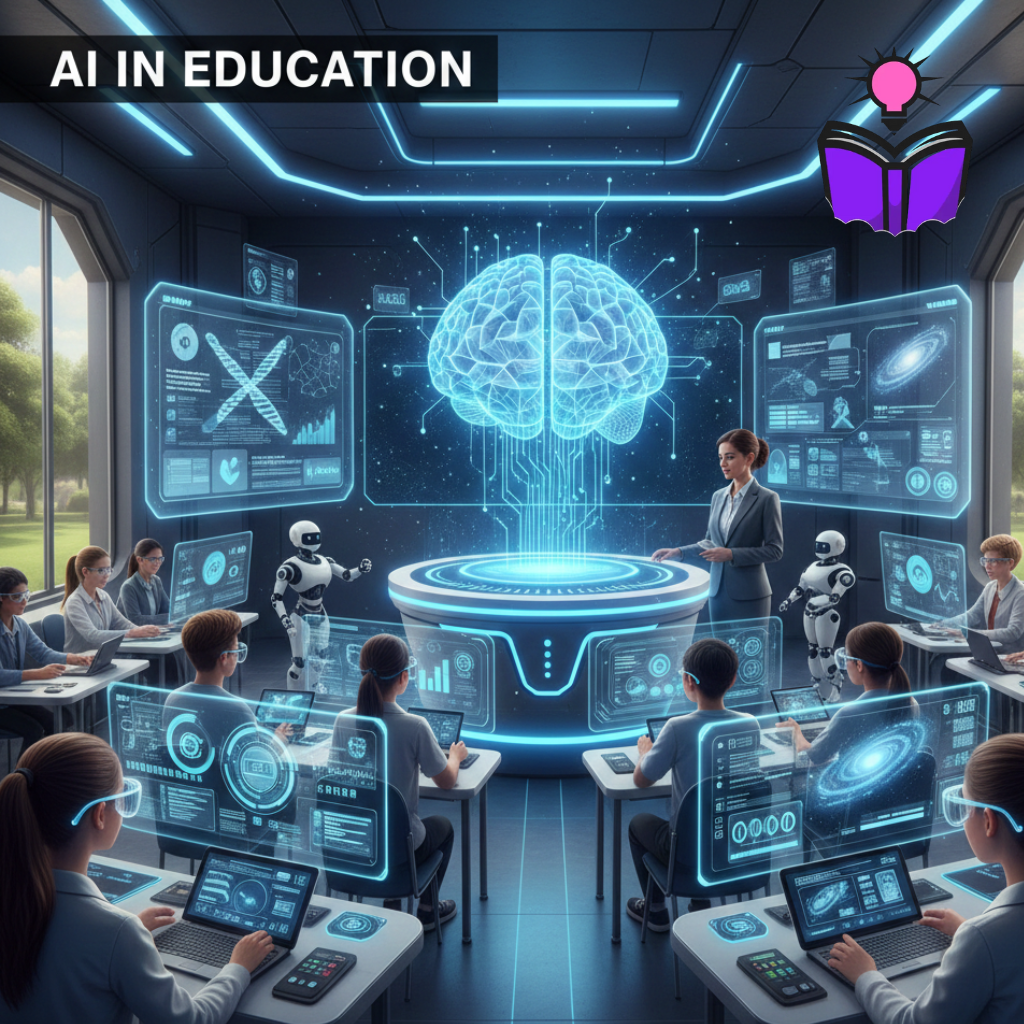
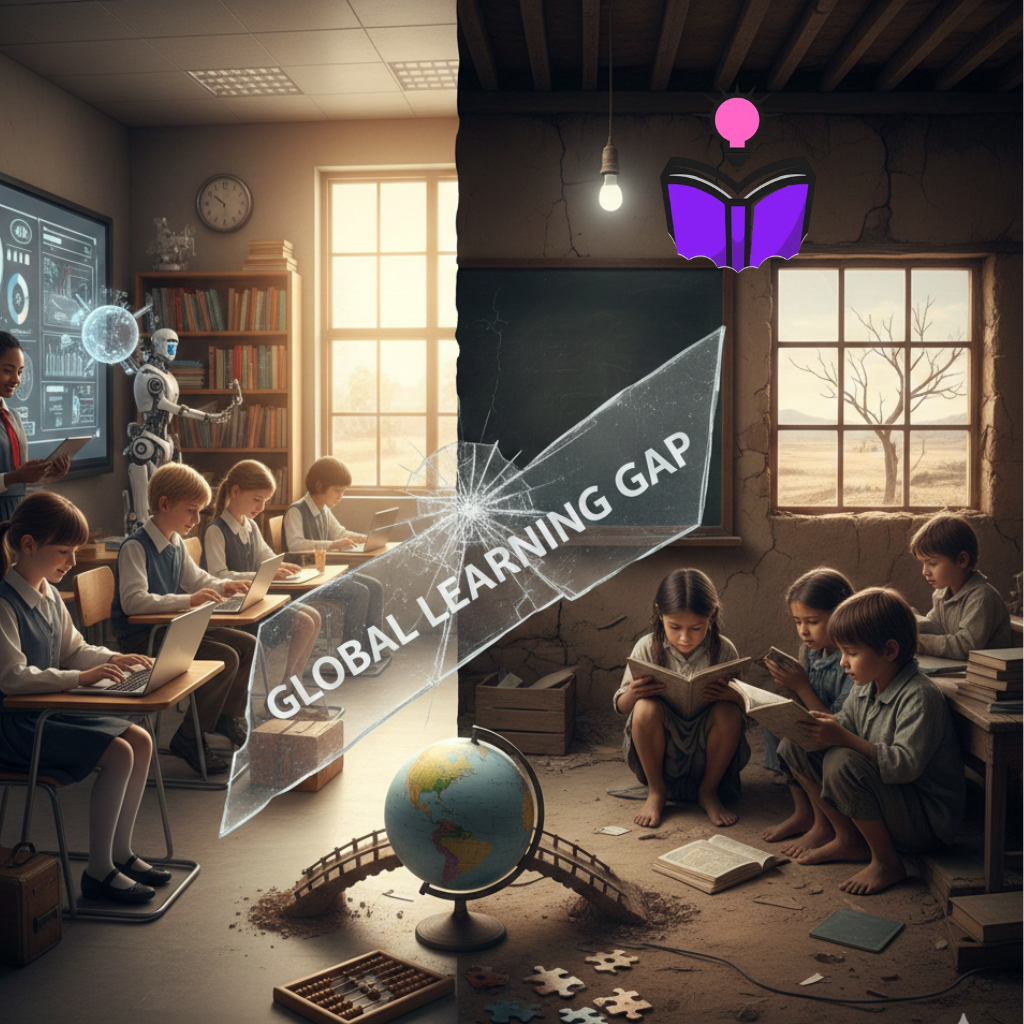
3. The Global Learning Gap: A Crisis That Demands Innovation
The pandemic widened achievement gaps worldwide. Some students advanced rapidly with online tools, while others fell months — even years — behind.
But this gap has unexpectedly sparked a wave of creative problem-solving:
- Low-cost digital devices for underserved communities
- Community learning pods and micro-schools
- Government investment in internet accessibility
- New models of competency-based learning
The future of education may be determined by how successfully these innovations scale.
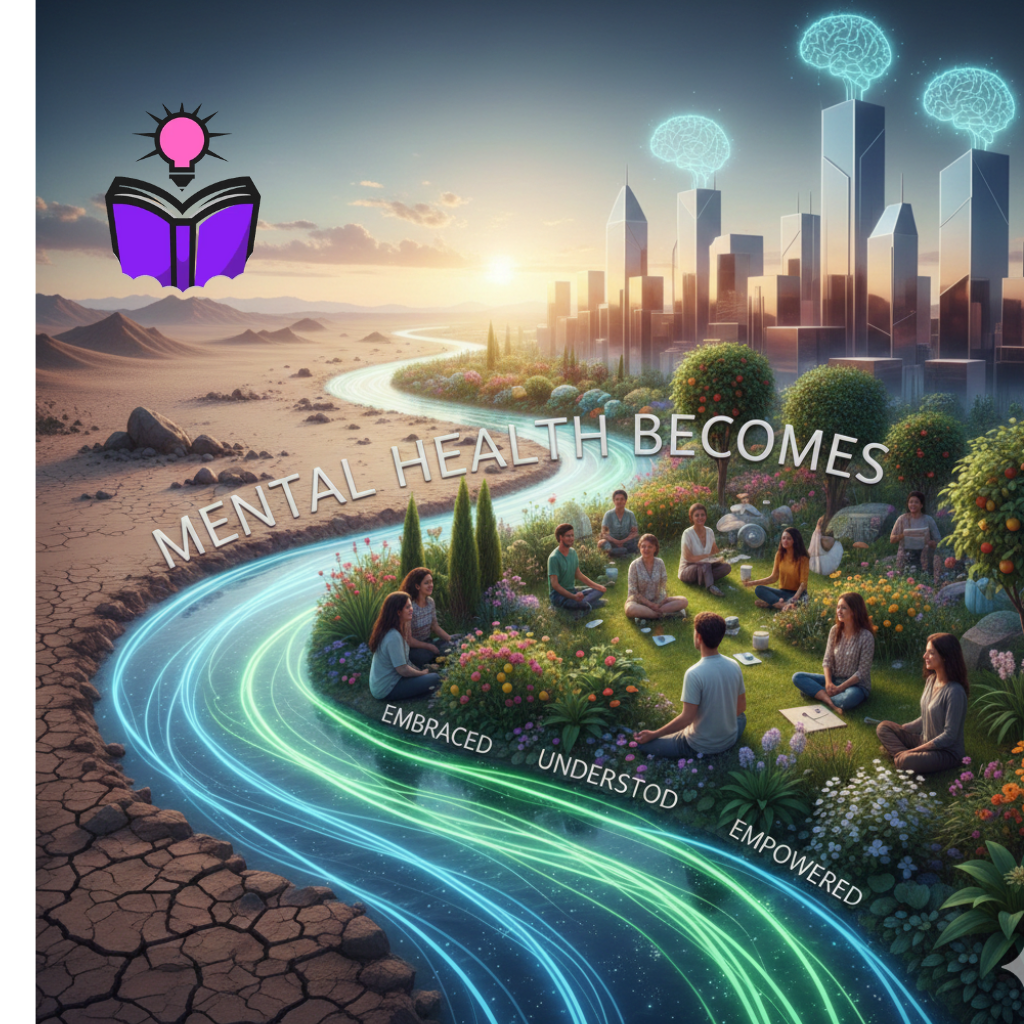
4. Mental Health Becomes a Core Academic Priority
For the first time in modern history, mental health isn’t a “support service.” It’s a curriculum requirement.
Schools are implementing:
- Social-emotional learning (SEL) programs
- On-campus wellness centers
- Mental health days
- Teacher training for emotional support
The suspenseful question educators face:
Can schools balance academic rigor with emotional resilience?
The next decade of learning will depend on this balance.
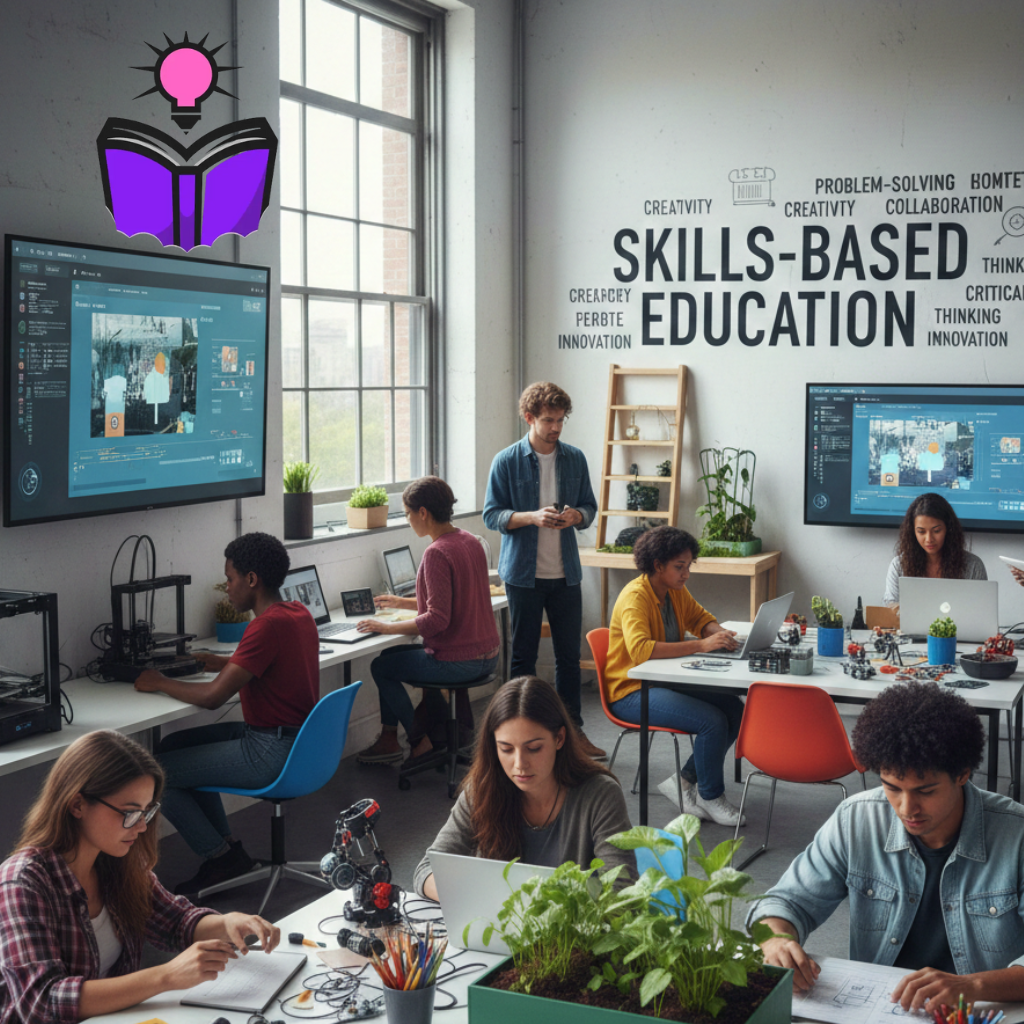
5. Skills-Based Education Is Replacing Degree-Based Paths
Employers are shifting fast. The question is no longer, “Where did you study?” but
“What can you do?”
Post-pandemic, students want skills that lead directly to opportunity.
Growing Skill-Based Learning Trends
- Micro-credentials and digital badges
- Project-based learning
- Apprenticeship pathways
- Tech-skilling from early grades
Students may soon graduate with portfolios, not just diplomas.
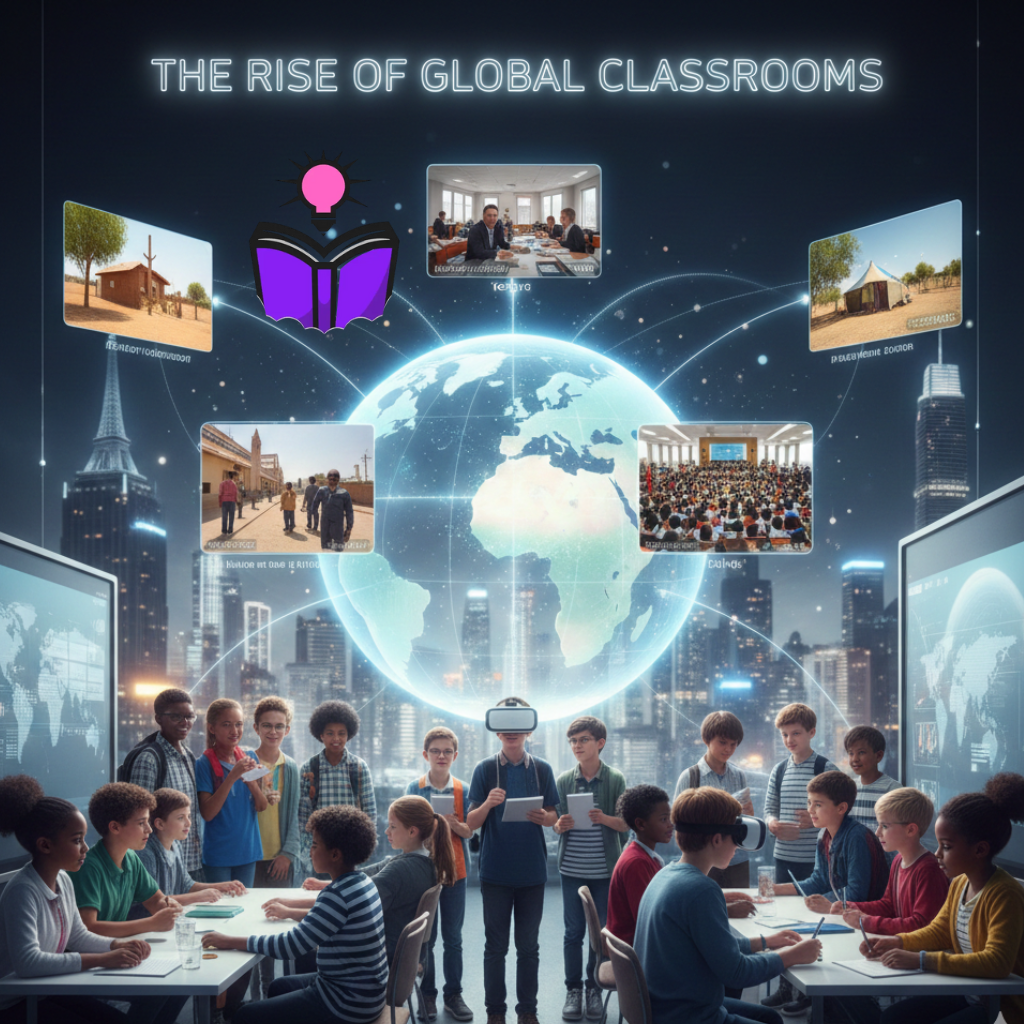
6. The Rise of Global Classrooms
One of the most unexpected outcomes of the pandemic was the breaking of borders.
Students now:
- Join international virtual classes
- Collaborate on global projects
- Learn languages through immersive online environments
- Access educators and mentors worldwide
Education is becoming a worldwide network — and its full potential is still unknown.
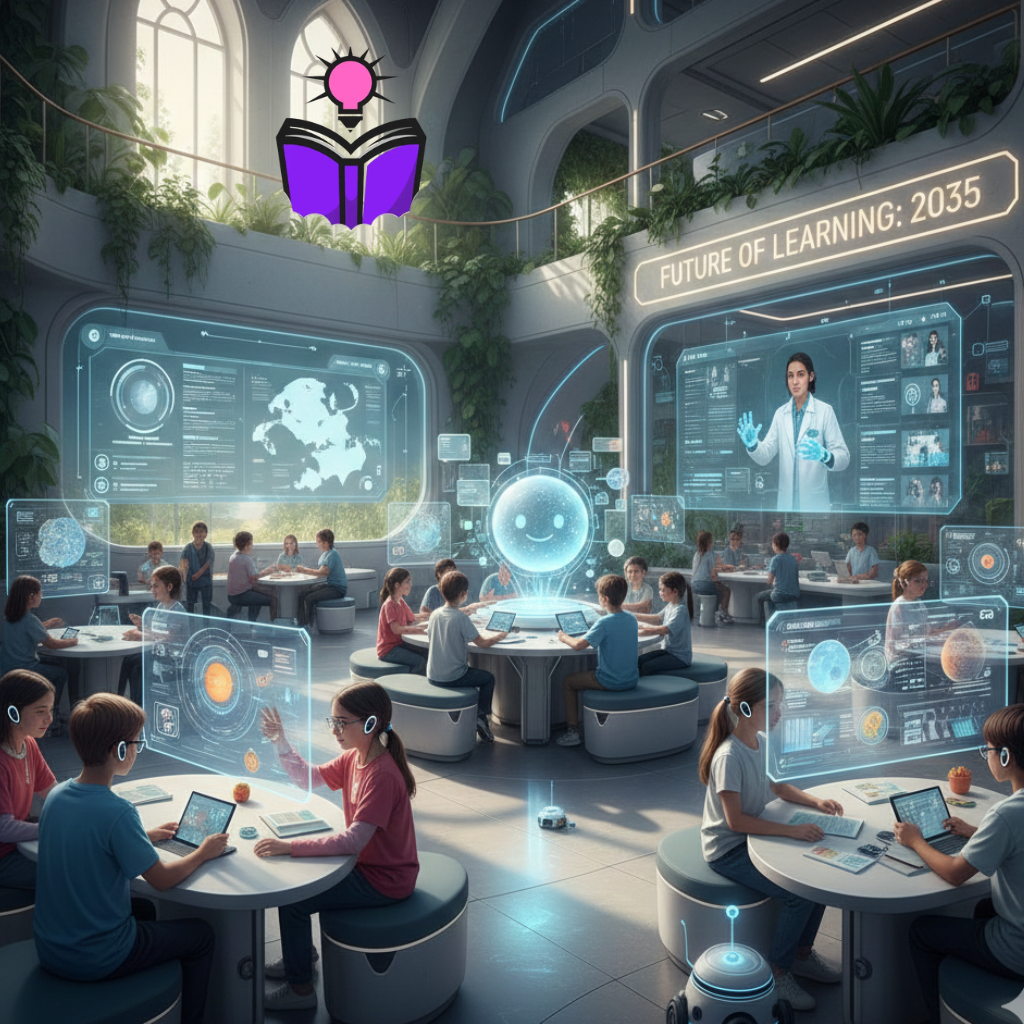
7. The Next Era: What Will Education Look Like by 2035?
Here’s where the suspense peaks.
If current trends continue, education might look like this:
- AI-personalized lessons for every student
- Virtual reality classrooms simulating labs, historical worlds, or space missions
- Global learning hubs accessible from anywhere
- Teachers as learning architects, guiding AI-supported experiences
- Schools designed around skills, wellbeing, and creativity
We may be heading toward the most inclusive, flexible, and innovative educational era in human history.
But the true question remains:
Are we ready for it?
Final Thoughts: The Future of Education Is Being Written Today
Post-pandemic education is not about returning to normal — it’s about building something better, stronger, and smarter.
The choices we make now will define:
- How students learn
- How teachers teach
- How societies grow
- And how future generations will navigate an unpredictable world
The transformation has already begun.
The next chapter is ours to shape.