
How to Improve Your Mental Health as a Student (Simple Habits That Truly Work)
Student life is exciting—but it can also be overwhelming. Between assignments, deadlines, exams, and expectations, it’s easy for stress to pile up. And while academic success is important, your mental well-being matters even more.
The good news? Improving your mental health doesn’t require massive changes. Small, consistent habits can make a HUGE difference in how you feel every day.
In this guide, we’ll explore practical, science-backed strategies to help students build stronger mental health, boost energy, stay focused, and live a more balanced life.
Let’s dive in.
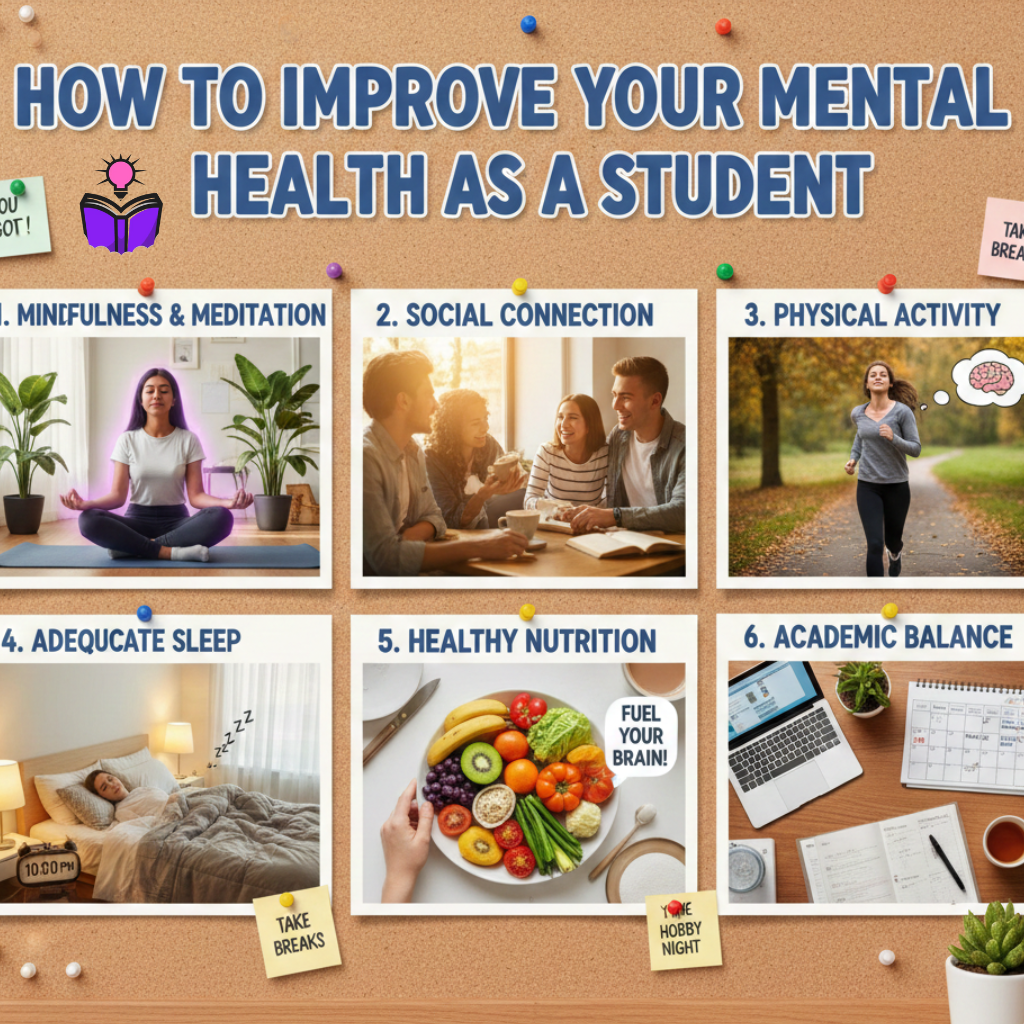
1. Create a Balanced Routine (Your Mind Loves Structure)
Your brain performs best when it knows what to expect. A steady routine helps reduce anxiety, improve focus, and prevent burnout.
Try This:
- Set a fixed wake-up and sleep schedule
- Dedicate specific time slots for study, rest, and hobbies
- Break big tasks into small, manageable steps
- Avoid all-nighters—they disrupt your mood and concentration
Why It Works:
A routine gives your mind a sense of stability. When you feel in control of your day, stress drops naturally.

2. Practice Mindfulness and Deep Breathin
Mindfulness isn’t just a trendy word—it’s a proven method to calm the mind and increase emotional strength.
Simple Ways to Start:
- Try 5 minutes of deep breathing before studying
- Use mindfulness apps for short guided sessions
- Take “mental breaks” when you feel overwhelmed
- Focus on your senses to stay present (what you see, hear, or feel)
What You Gain:
Mindfulness reduces stress, improves concentration, and helps you respond—not react—to challenges.

3. Stay Physically Active (Movement Boosts Your Mood)
Physical activity releases endorphins—the body’s natural stress relievers.
Easy Options for Students:
- A 15-minute walk between classes
- Stretching or yoga before bed
- Light exercises at home
- Playing sports with friends
Why It Helps:
Exercise improves sleep, boosts confidence, and clears mental fog. Even short bursts of movement make a difference.

4. Build a Strong Support System (You Don’t Have to Do It Alone)
Talking to someone can instantly lighten emotional weight.
Reach Out To:
- Friends
- Trusted family members
- Teachers or mentors
- School counselors or mental health professionals
Reminder:
Opening up is not a sign of weakness. It’s a sign of strength—and the first step toward healthier emotional well-being.

5. Limit Social Media Overload
Social media can be fun… but it can also increase stress, comparison, and anxiety without you even noticing.
Healthy Digital Habits:
- Set daily screen-time limits
- Avoid checking your phone first thing in the morning
- Unfollow accounts that make you feel drained
- Schedule “no-phone hours” during study and sleep time
Result:
More focus, less pressure, and a healthier self-image.

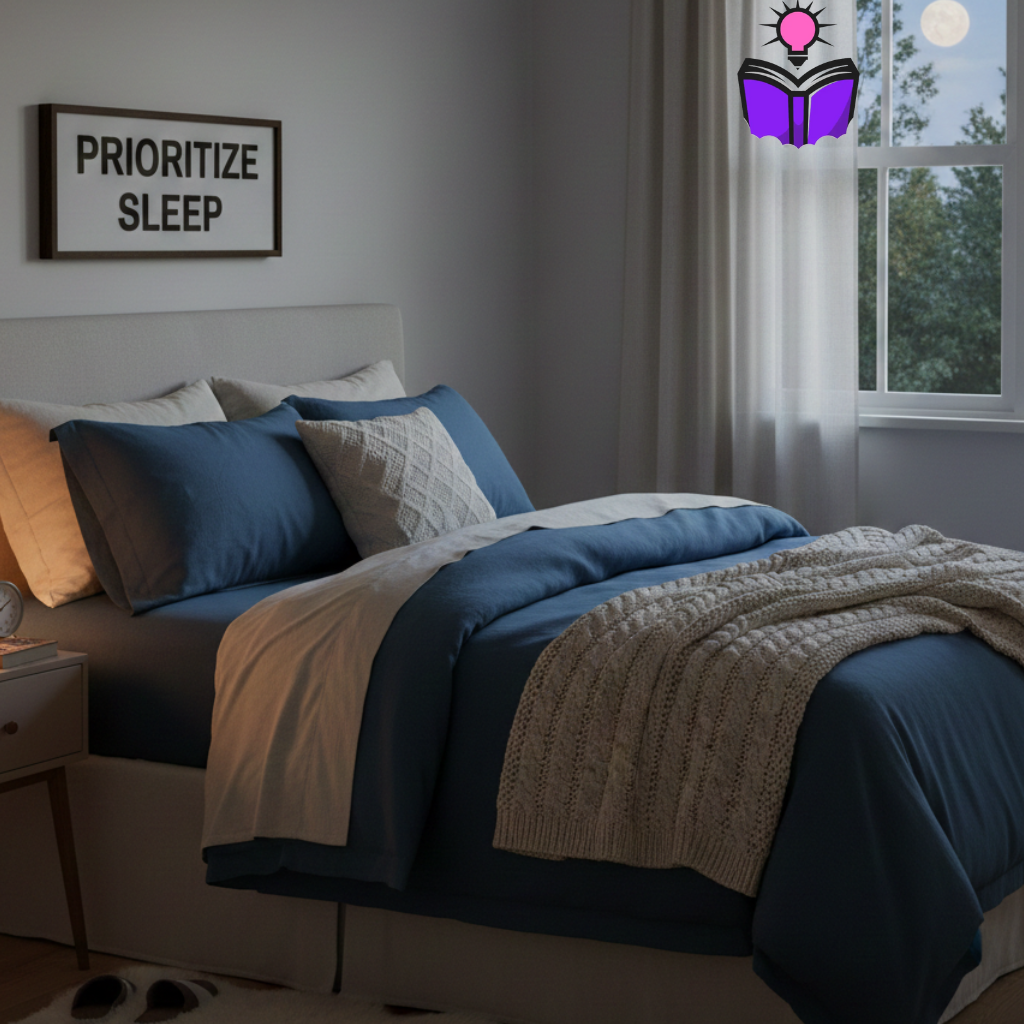
6. Prioritize Sleep (Your Brain Needs It More Than You Think)
Good sleep is like a mental reset button.
Student Sleep Tips:
- Aim for 7–9 hours a night
- Avoid caffeine late in the day
- Keep your study and sleep spaces separate if possible
- Shut down screens at least 30 minutes before bed
What Happens When You Sleep Well:
Better memory, sharper thinking, fewer mood swings, and improved overall mental health.
7. Practice Positive Self-Talk
Your inner voice shapes your confidence.
Shift Your Thoughts:
- Replace “I can’t” with “I’ll try”
- Celebrate small wins
- Remind yourself that mistakes are part of growth
- Avoid comparing yourself to others
Why This Matters:
A healthy mindset helps you stay motivated even during tough academic phases.

Final Thoughts: Your Mental Health Deserves Attention
Being a student is challenging—but you don’t have to struggle silently. By building simple daily habits, staying connected with others, and caring for your body and mind, you can create a healthier, happier, and more balanced life.
Remember, success isn’t just about top grades—it’s also about feeling strong, confident, and mentally well.