
The Future of Learning: How Technology is Shaping Education
Why the next decade of learning will look nothing like the last.
Education is standing at the edge of a transformation so profound that even the most futuristic classrooms of today will soon feel outdated. While we once imagined chalkboards turning into whiteboards and textbooks moving to tablets, the truth is far more electrifying: the future of learning will not just be digital—it will be intelligent, immersive, and personalized beyond imagination.
Students are no longer asking, “What will I learn?”
They’re asking, “How fast can I learn, and how far can I go?”
Welcome to the revolution that’s quietly unfolding, powered by technology that grows smarter every second.
1. AI Is Becoming the New “Personal Tutor”
Artificial Intelligence is shaping education more dramatically than any tool before it. But not in the sci-fi “robots replacing teachers” way we once feared. Instead, AI is becoming the most patient tutor in the world.
Imagine a system that
✔ spots where a student struggles,
✔ adjusts lessons in real time,
✔ predicts learning outcomes, and
✔ crafts completely personalized study paths.
This is no longer a prediction—it’s happening now. AI-driven platforms can analyze how a student learns and create customized modules that match their pace and style. The suspense lies in just how intelligent these systems will become: soon, they may know what a learner needs even before the learner does.۔
2. Immersive Learning: When Classroom Walls Disappear
Think back to the first time you heard about Virtual Reality (VR). Maybe it sounded like entertainment—something for games and simulations. Now picture this:
A history class where students stand inside ancient Rome.
A biology session where learners travel through the human bloodstream.
A geography lesson where they explore the Amazon rainforest in real time.
This is the world of VR and AR education, delivering experiences that textbooks could never dream of. Students remember what they experience, not just what they read—and immersive learning makes comprehension nearly unforgettable.
And the suspenseful question ahead is:
How long before physical classrooms become optional?
3. Global Classrooms: Learning Without Borders
Thanks to cloud technology and high-speed internet, the world is shrinking into one massive learning hub.
A student in Kenya can attend a live workshop hosted in Tokyo.
A programmer in India can collaborate with a mentor in Silicon Valley.
A teenager in Brazil can build projects alongside peers from the UK.
Education is no longer limited by geography—it’s only limited by curiosity.
But here’s the twist: as access expands, competition intensifies. The global classroom raises a new challenge—students everywhere must now prepare to stand out on an international stage.

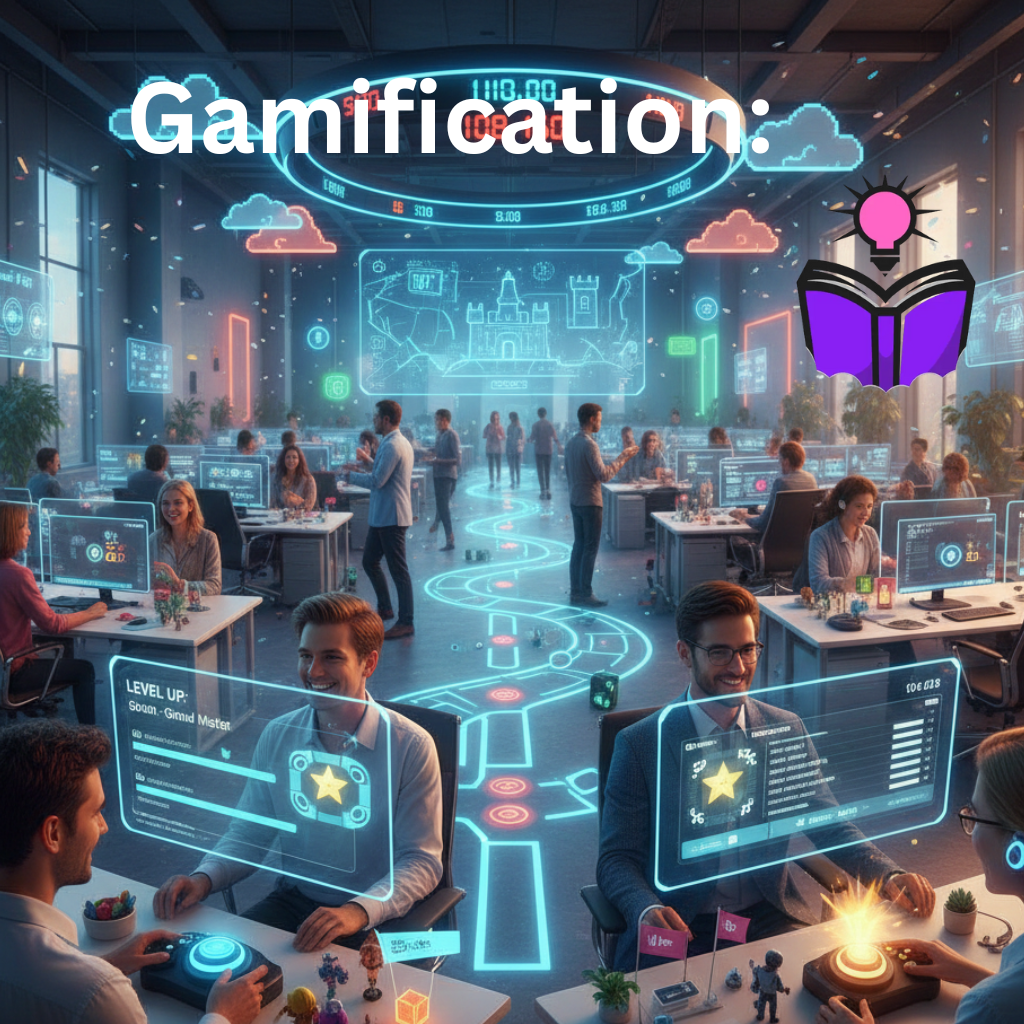
4. Gamification: When Learning Feels Like Winning
There’s a good reason why people spend hours leveling up in games—they’re designed to be addictive, rewarding, and dopamine-boosting.
Now imagine applying that same psychology to learning.
Points. Badges. Leaderboards. Quests.
Gamified learning is turning classrooms into adventure zones where students feel excited—not obligated—to progress. Instead of memorizing information, they play their way through mastery.
The suspense builds as developers experiment with game design so advanced that the line between learning and entertainment disappears entirely.
5. Skills Over Degrees: The New Currency of Education
Technology is reshaping not only how we learn but what we learn.
Employers increasingly value:
- Creativity
- Critical thinking
- Digital literacy
- Collaboration
- Adaptability
And most importantly: real, demonstrable skills.
Micro-credentials, digital badges, and skill-based certificates are gaining more recognition than traditional degrees in some industries. The shift is slow but unstoppable—and it may redefine the future of hiring.
Which raises the big question:
Will a four-year degree still matter 20 years from now?
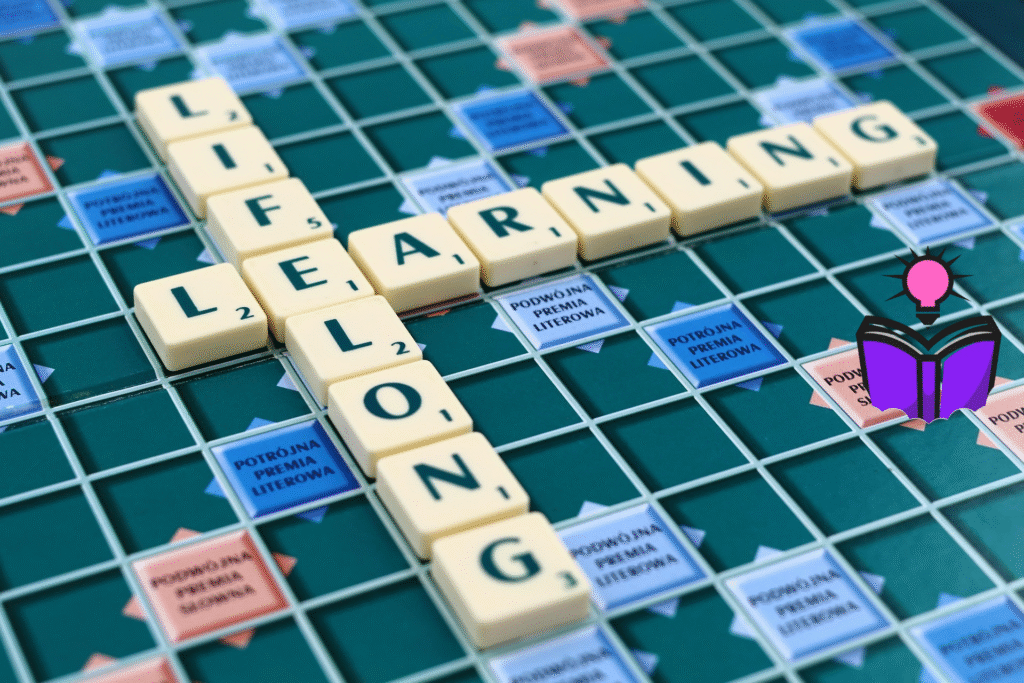
6. The Rise of Lifelong Learning
The future no longer belongs to the educated.
It belongs to the constantly re-educated.
Technology evolves too fast for one-time education to keep up. Professionals now learn throughout their lives to stay competitive, and online platforms make this easier than ever.
In the future, learning won’t be a phase—it will be a lifestyle.
Final Thoughts: A Future Full of Possibility—and Mystery
Technology isn’t just shaping the future of education; it’s rewriting its foundation. We stand at a moment where learning can become faster, deeper, richer, and limitless.
But with every innovation comes a new question:
How far will we let technology go?
Will education evolve into something unrecognizable—or something unbelievably empowering?
One thing is certain: the classrooms of tomorrow won’t just teach us facts.
They’ll teach us how to grow, adapt, create, and imagine in ways humanity has never seen before.