
How to Handle Study Anxiety and Pressure: Effective Strategies Every Student Should Know
Study anxiety. Pressure. Deadlines. Exams.
These words alone can make your heart beat a little faster. And if you’ve been feeling overwhelmed lately, you’re far from alone. Academic stress affects millions of students around the world—but here’s the surprising truth:
Anxiety isn’t a sign that you’re weak. It’s a sign that you care.
The good news? With the right tools and habits, you can manage study pressure, stay calm, and perform better without burning out.
This guide will show you exactly how.
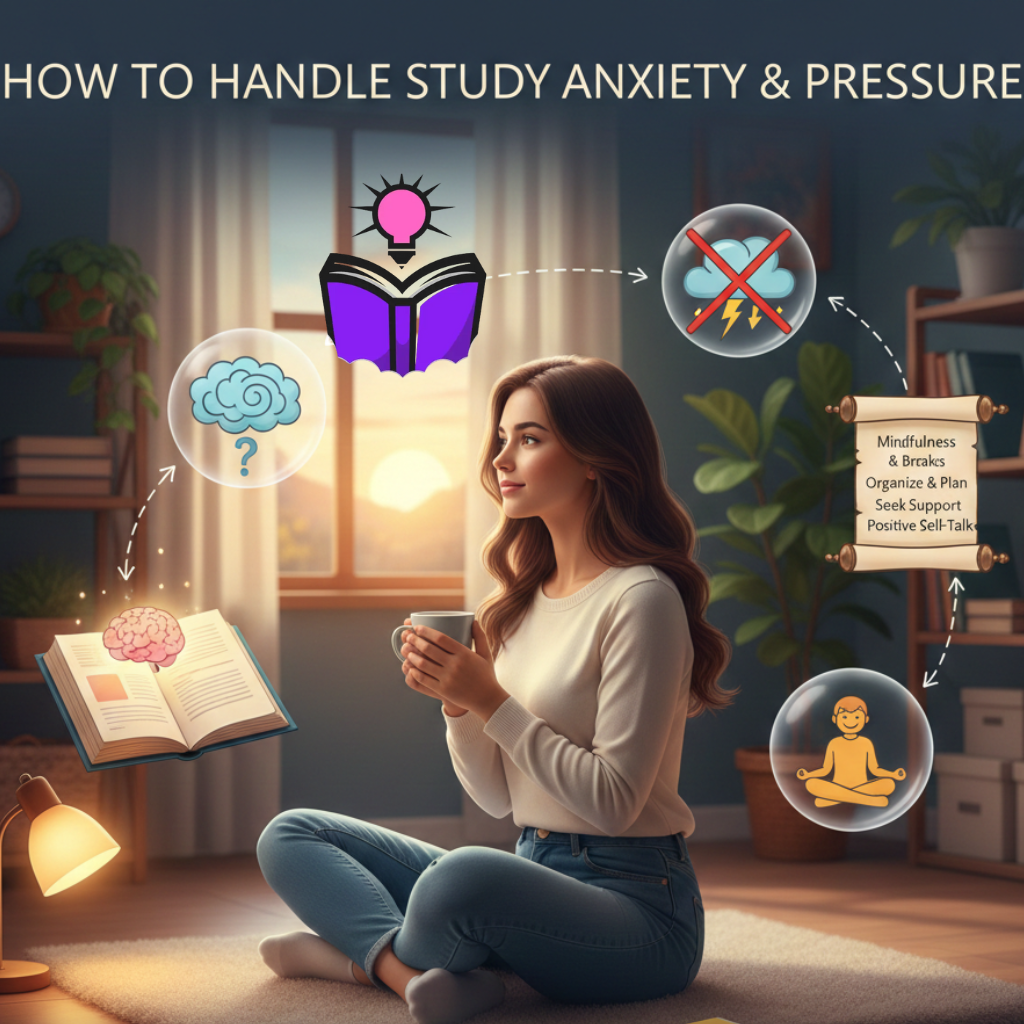
What Is Study Anxiety? (And Why It Happens)
Study anxiety is that uneasy feeling that creeps in when you’re overloaded with assignments, facing an exam, or trying to meet expectations—from teachers, parents, or even yourself.
It can come from:
- Fear of failure
- Perfectionism
- Heavy workload
- Lack of preparation
- Comparing yourself to others
- Pressure to meet deadlines
The tricky part is that study anxiety can hit you even when you’re genuinely trying your best. But understanding why it happens is the first step to taking control.
Signs You’re Dealing with Study Anxiety
Study anxiety doesn’t always look like panic. Sometimes it shows up quietly:
- Difficulty concentrating
- Racing thoughts
- Procrastination
- Trouble sleeping
- Feeling tired or irritable
- Avoiding schoolwork
- Feeling “frozen” when trying to start studying
If these sound familiar, don’t panic—you can manage it. Let’s talk about how.
Proven Ways to Handle Study Anxiety and Academic Pressure
1. Break Tasks Into Small, Manageable Pieces
Nothing triggers anxiety like a large, intimidating task.
Instead of thinking:
“I have to study 12 chapters today.”
Try:
“I’ll start with one section.”
Small steps reduce overwhelm and build momentum. When your brain sees progress, it relaxes.
2. Use the 25–5 Rule (Pomodoro Technique)
This technique is a game-changer for anxious students.
Here’s how it works:
- Study for 25 minutes
- Take a 5-minute break
- After 4 cycles, take a longer break
Why it works: it keeps your mind focused while preventing burnout. You’ll get more done in less time.
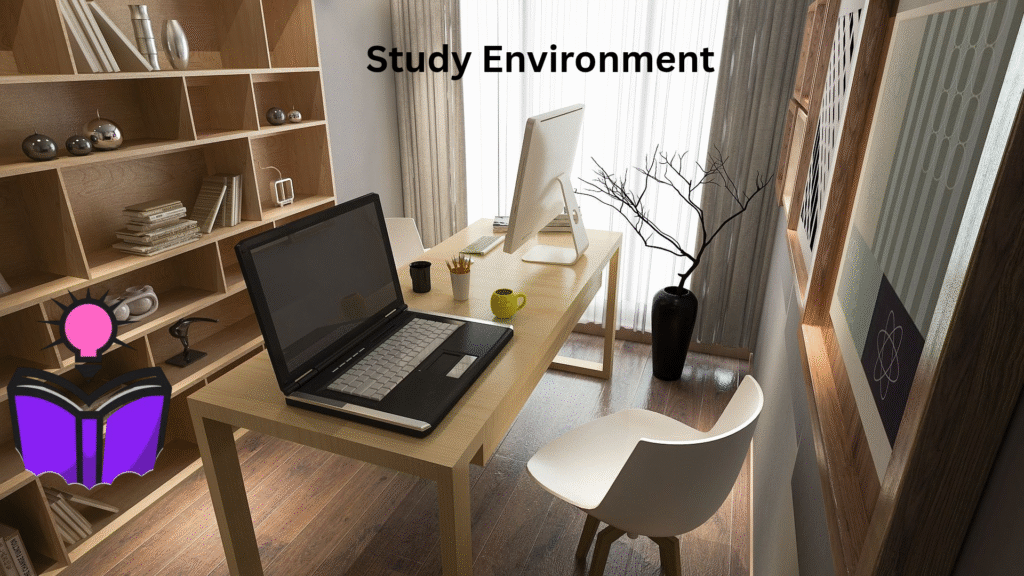
3. Create a Study Environment That Calms You
Your environment plays a huge role in your mental state.
Try adding:
✨ Soft lighting
✨ Background music
✨ Clean workspace
✨ Noise-canceling headphones
✨ Aroma diffuser
A calm environment signals your brain that you’re safe—and that reduces anxiety immediately.
4. Challenge Negative Thoughts
Anxiety often whispers things like:
- “I’ll fail.”
- “Everyone is smarter than me.”
- “I can’t do this.”
Replace these thoughts with something realistic:
- “I’ve handled hard tasks before.”
- “I’m learning at my own pace.”
- “I don’t need to be perfect to succeed.”
This shift helps lower anxiety and boosts confidence.
5. Prioritize Sleep—Your Secret Academic Weapon
Lack of sleep makes everything worse: anxiety, focus, motivation, and memory.
Aim for 7–9 hours a night.
A rested mind thinks clearly, learns faster, and handles stress better.
6. Talk to Someone You Trust
When pressure feels too heavy, don’t carry it alone.
Talk to:
- A friend
- A family member
- A teacher
- A school counselor
Sometimes a simple conversation can take 50% of the weight off your shoulders.
7. Practice Relaxation Techniques
These methods calm the nervous system fast:
- Deep breathing
- Meditation
- Stretching
- Short walks
- Mindfulness apps
Even 3–5 minutes can reset your mood.
8. Avoid Cramming—Start Studying Early
Cramming creates panic and increases anxiety. Instead:
- Make a weekly schedule
- Start preparing early
- Review small amounts daily
This reduces pressure and boosts long-term memory.

9. Stop Comparing Yourself to Others
Comparison is one of the biggest sources of academic stress.
Remember:
Everyone learns differently.
Your journey doesn’t have to look like anyone else’s. Focus on progress, not perfection.
10. Celebrate Small Wins
Each chapter completed, each assignment finished, each hour of studying is progress.
Reward yourself—it builds confidence and motivation.
When Study Anxiety Becomes Too Much
If anxiety begins to affect your daily life, relationships, or mental health, it may be time to reach out for professional support.
Seeking help is strong, not weak.
And it’s one of the best steps you can take for your future.
Final Thoughts: You Can Overcome Study Anxiety
Academic pressure can feel heavy, but you’re not stuck with it. With the right strategies—clear routines, better habits, and a supportive mindset—you can handle study anxiety and perform better than you imagine.