What Education Will Look Like in 2030: A Glimpse Into the Classrooms of Tomorrow
What if the classroom you know today disappears by the end of the decade?
This isn’t a sci-fi prediction—it’s the fast-approaching reality of education in 2030. Driven by technology, global shifts, and evolving workforce demands, the education system is on the edge of its most dramatic transformation in centuries.
In this blog, we dive into what schools, teachers, and learning itself will look like in the year 2030—and why every student, parent, and educator should be paying attention.
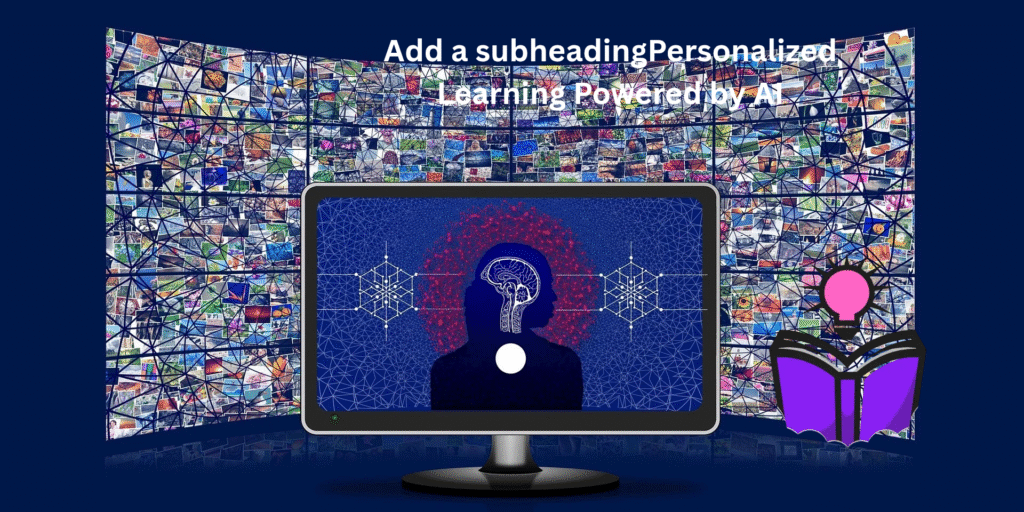
1. Personalized Learning Powered by AI
By 2030, education will be fully personalized, thanks to artificial intelligence. Instead of one-size-fits-all lessons, students will receive AI-generated learning paths tailored to their strengths, challenges, pace, and career interests.
What It Looks Like:
- AI tutors available 24/7
- Real-time feedback and performance tracking
- Adaptive lessons that adjust within seconds
- Customized study plans that predict student needs before they ask
Imagine a classroom where no student is ever “behind”—because lessons meet them exactly where they are.
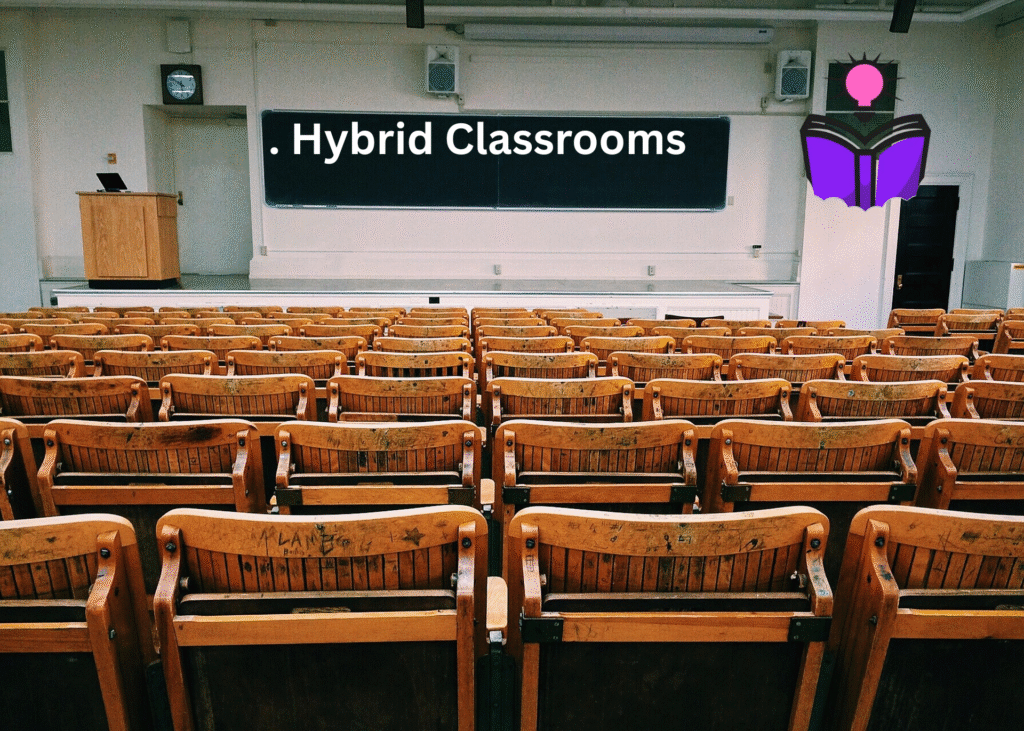
2. Hybrid Classrooms Will Become the Norm
If 2020 pushed the world into remote learning, 2030 will perfect it. Schools will combine on-campus and online instruction into a seamless system.
Expect:
- Students attending virtual classes from home or community hubs
- Field trips happening through high-end VR experiences
- Guest lectures from global experts joining at a moment’s notice
In 2030, the “classroom” may not even have walls at all.
3. Virtual Reality (VR) and Augmented Reality (AR) Take Over Learning
Get ready for immersive learning environments that make textbooks feel ancient.
Picture this:
- Walking ancient Rome instead of reading about it
- Performing virtual science experiments with zero risk
- Exploring the solar system through a holographic sky
- Practicing surgical procedures in realistic VR labs
These technologies won’t just engage students—they’ll transform how knowledge is absorbed.
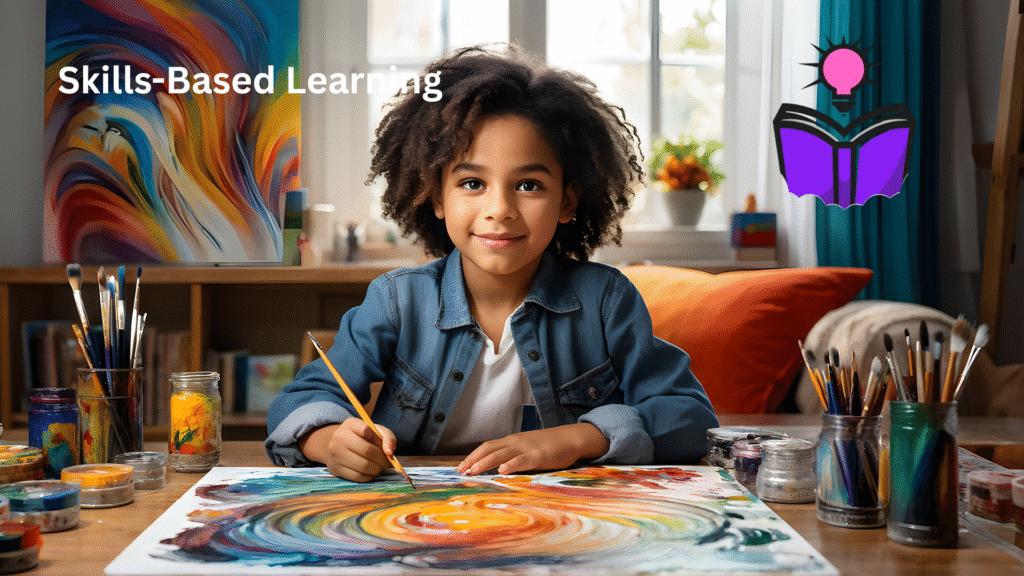
4. Skills-Based Learning Will Replace Memorization
The workforce is evolving quickly, and by 2030, employers will prioritize skills over degrees.
Schools will shift from memorization to competency-based learning, focusing on:
- Critical thinking
- Creativity
- Emotional intelligence
- Problem-solving
- Collaboration
- Digital literacy
Students won’t just pass tests—they’ll master real-world skills.
5. Teachers Become Learning Architects, Not Lecturers
Teachers in 2030 will lead with digital fluency and emotional intelligence.
Instead of delivering repeated lectures, teachers will:
- Design learning experiences
- Guide personalized student journeys
- Use data to support and motivate learners
- Teach soft skills AI can’t replace
The role of the educator will be more human than ever.
6. Global Classrooms Will Break Cultural Barriers
Thanks to advanced connectivity, a classroom in 2030 may include students from ten different countries at once.
This global blend will help students:
- Understand diverse cultures
- Collaborate across borders
- Build global citizenship
- Gain broader perspectives on world issues
Education becomes a shared international experience, not a local one.
7. Micro-Credentials Will Overtake Traditional Degrees
Instead of a single four-year degree, learners will collect micro-credentials and stackable certificates that align with rapidly changing job markets.
By 2030, students might build a career with:
- AI literacy badges
- Nano-degrees in cybersecurity
- Certificates in green technology
- Short courses in robotics or entrepreneurship
Learning becomes modular, flexible, and career-focused.
8. Learning Analytics Will Predict Student Success
Predictive analytics will help schools identify:
- Which students need extra help
- Which subjects learners excel at
- Potential future career paths
- Social or emotional challenges early
With the right insights, students will no longer slip through the cracks.
9. Emotional Well-Being Becomes Central to Educatio
After years of global mental health awareness, 2030 classrooms will focus heavily on:
- Mindfulness
- Stress management
- Peer support systems
- AI mental health monitors
- Emotional skill development
Schools will finally understand that healthy minds learn best.
10. Lifelong Learning Will Be the New Normal
The idea of “finishing school” will fade. In 2030, education continues throughout life as technology evolves.
Adults will return to learning every few years to:
- Upskill
- Reskill
- Transition careers
- Stay relevant in changing industries
Education becomes a lifelong journey, not a single chapter.
The Big Question: Are We Ready for 2030?
The education of 2030 is fast, flexible, AI-powered, and global.
It promises opportunity, innovation, and equal access like never before.
But it also challenges us to rethink everything we know about school.
Are we ready to embrace it—or will the future surprise us before we prepare?
One thing is certain:
Education in 2030 won’t just change how we learn—it will change who we become