
The Importance of Self-Care in Student Life: Why It Matters More Than Ever
Student life is often described as exciting and full of opportunity—but it can also be overwhelming. Between classes, assignments, exams, social pressures, part-time jobs, and future planning, many students struggle to find balance. This is where self-care becomes not just helpful, but essential.
Self-care is more than bubble baths or occasional breaks. It’s a sustainable practice that helps students protect their mental, emotional, and physical well-being so they can perform better academically and maintain a healthier lifestyle. In today’s fast-paced world, practicing self-care is no longer optional; it’s a vital part of student success.
This guide breaks down why self-care matters, how it impacts academic performance, and what students can do to incorporate it into their everyday lives.
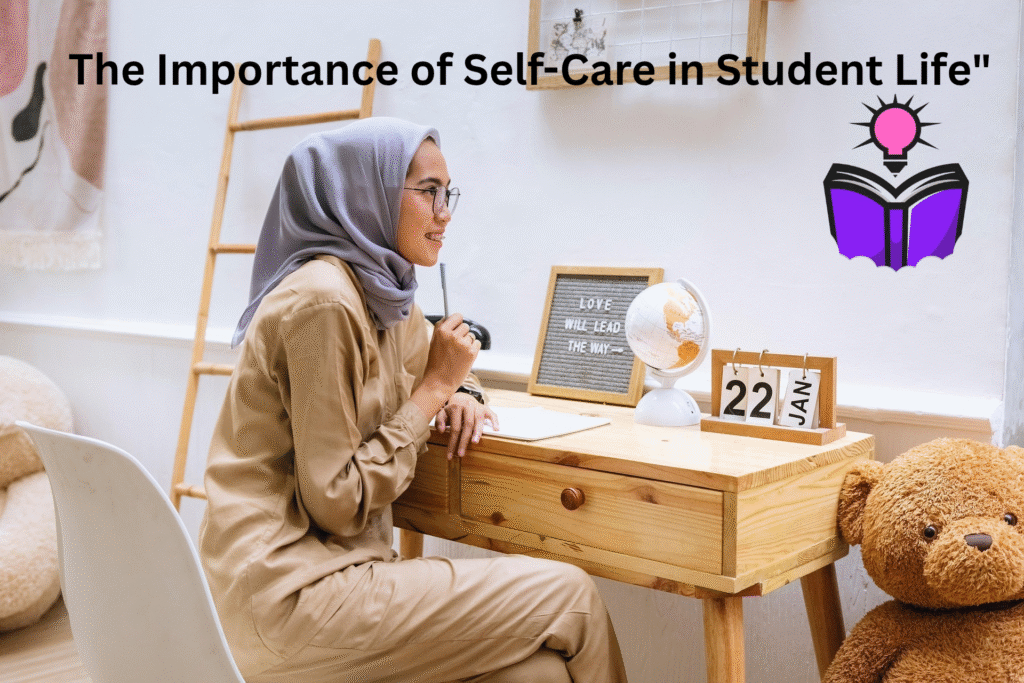
What Is Self-Care?
Self-care refers to any intentional actions individuals take to care for their physical, mental, and emotional health. For students, it includes habits that reduce stress, boost energy, improve focus, and promote overall well-being.
Common forms of student self-care include:
- Getting enough sleep
- Regular exercise
- Eating nutritious meals
- Setting boundaries
- Practicing mindfulness or meditation
- Taking study breaks
- Managing time in healthy ways
- Connecting with supportive friends and family
Self-care looks different for everyone—but its impact is universal.
1. Self-Care Improves Academic Performance
Students often assume they must push through exhaustion to stay on top of their studies. In reality, burnout and chronic stress directly hurt cognitive function.
Proper self-care helps students:
- Concentrate longer
- Improve memory retention
- Boost creativity
- Stay motivated
- Reduce anxiety during exams
When students feel well-rested and emotionally stable, they can absorb information more effectively and perform significantly better academically.

2. It Reduces Stress and Prevents Burnout
Too many students normalize stress as a part of school life. But unmanaged stress can lead to:
- Irritability
- Mood swings
- Sleep issues
- Loss of motivation
- Physical illness
- Burnout
Practicing self-care helps regulate stress hormones, giving students the mental clarity and calm they need to manage daily responsibilities without feeling overwhelmed.
3. Self-Care Supports Mental Health
Today’s students face increasing pressures—from academic competition to social challenges and digital overload. This makes mental health support more important than ever.
Self-care contributes to better mental well-being by:
- Reducing symptoms of anxiety and depression
- Building emotional resilience
- Encouraging positive self-esteem
- Helping students feel more in control
- Promoting a healthy work-life balance
A strong self-care routine acts as a protective shield for mental health.
4. It Encourages Healthy Lifestyle Habits
Good self-care helps students maintain a balanced physical lifestyle.
Healthy habits include:
- Adequate hydration
- Balanced meals
- Regular exercise
- Stretching during prolonged study sessions
- Prioritizing consistent sleep schedules
These habits not only improve physical health but also influence mood, energy levels, and academic performance.
5. Self-Care Builds Better Time Management
Ironically, taking breaks often makes students more productive—not less.
Why? Because self-care helps students:
- Avoid last-minute cramming
- Break large tasks into manageable pieces
- Stick to schedules more effectively
- Maintain a consistent study-work rhythm
When students feel balanced, they manage their time with greater intention and less stress.

6. It Strengthens Social Connections
Self-care isn’t only about individual activities—it also includes nurturing healthy relationships.
Spending time with friends, joining clubs, or calling family members gives students emotional support that reduces stress and builds confidence.
Strong social connections are essential for:
- Motivation
- Stress reduction
- Happiness
- Academic persistence
Human connection is a powerful form of self-care.

7. Students Learn to Set and Respect Boundaries
One of the most important aspects of self-care is learning when to say no.
Students often overcommit—to social events, clubs, activities, part-time jobs, or study groups. Healthy boundaries allow them to prioritize what truly matters.
Boundary-setting helps students:
- Protect their time
- Avoid overwhelm
- Stay focused on long-term goals
- Maintain emotional balance
Boundaries are essential for long-term success—not just in school, but in life.
8. How Students Can Practice Self-Care Daily
Small, consistent actions make the biggest difference.
Daily self-care practices include:
- Taking 10–15 minute breaks while studying
- Journaling or expressing gratitude
- Drinking enough water
- Practicing deep breathing
- Reducing screen time before bed
- Spending time outdoors
- Listening to music or engaging in hobbies
- Setting realistic goals and expectations
The key is consistency, not perfection.
9. Why Schools Should Promote Self-Care
Educational institutions play a vital role in student well-being.
Schools can support self-care by offering:
- Wellness programs
- Mental health resources
- Stress management workshops
- Flexible scheduling options
- Safe spaces for relaxation
- Encouraging healthier campus lifestyles
When schools prioritize student well-being, academic performance naturally improves.
Conclusion: Self-Care Is the Foundation of Student Success
Self-care is not a luxury—it’s a necessity. In an era of rising academic pressure and increased digital distractions, students need practical ways to manage stress and maintain balance. By prioritizing physical health, mental well-being, and emotional stability, students not only improve their academic performance but also build lifelong habits that support happiness and success.
A successful student is not the one who works nonstop.
A successful student is the one who knows how to take care of themselves while pursuing their goals.