The Impact of Artificial Intelligence on Student Learning: A New Era or a Hidden Challenge?
Artificial Intelligence (AI) is no longer a futuristic concept—it’s here, shaping classrooms, homework, study habits, and even the way students think. From personalized tutors to automated grading, AI has become an invisible force guiding student learning in ways many never imagined.
But here’s the suspenseful twist:
Is AI becoming the greatest learning tool ever created… or is it quietly changing student learning in ways we’re not fully prepared for?
Let’s dive into the exciting (and sometimes surprising) impact of AI on student learning.
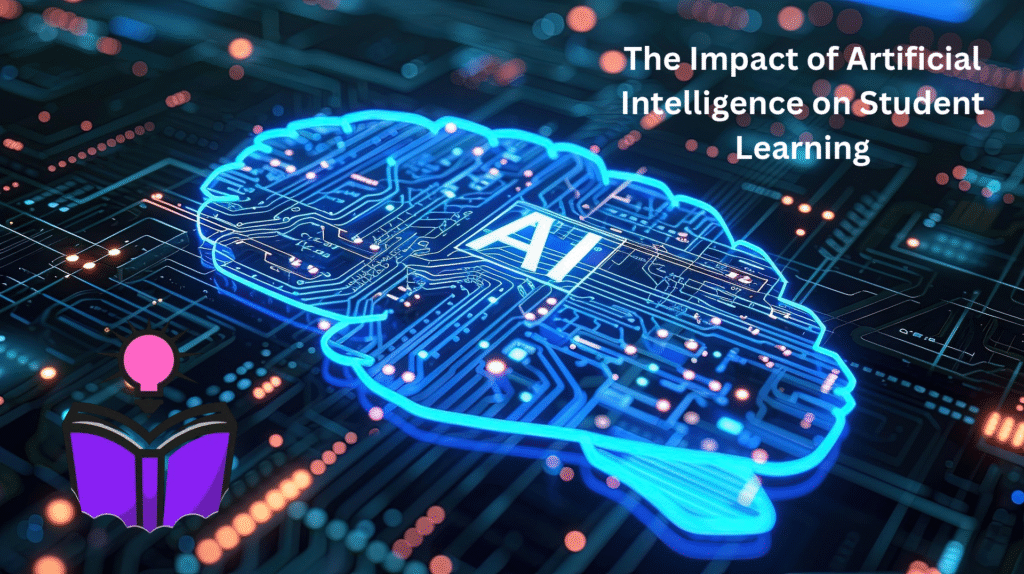
1. Personalized Learning: AI Becomes the Teacher Who Knows You Best
Imagine a teacher who instantly knows your strengths, weaknesses, preferred learning style, and exactly which topics you struggle with. AI systems now offer personalized learning experiences that adapt in real time.
What AI Personalization Looks Like:
- Customized learning paths
- Adaptive quizzes that adjust difficulty
- Tailored video recommendations
- Smart feedback based on performance patterns
AI-powered platforms analyze a student’s behavior and deliver lessons specifically designed for them.
Suspense moment:
It’s almost as if the more you study… the more the AI learns about you.
2. Instant Feedback: Learning at the Speed of Thought
No more waiting days for graded assignments. AI tools now provide instant feedback, helping students correct mistakes immediately.
Benefits Include:
- Faster improvement
- Stronger memory retention
- Less frustration and confusion
- More motivation to continue learning
With real-time feedback, students can adjust their strategies instantly—something traditional classrooms struggle to match.
But here’s the twist:
Instant correction can make students overly dependent on technology, raising the question: Are students learning to think independently?
3. AI Tutors: 24/7 Learning Companions
AI tutoring platforms like virtual assistants, chatbots, and interactive learning software give students access to help anytime, anywhere.
AI Tutors Provide:
- Step-by-step explanations
- Simplified breakdowns of complex topics
- Practice problems
- Study schedules and reminders
- Encouragement and motivation
For students who struggle with late-night homework or shy away from asking questions in class, this is a game-changer.
Suspense moment:
The convenience is unmatched—but does a 24/7 tutor blur the line between learning and relying?
4. Predictive Analytics: AI Knows Your Score Before You Take the Exam
Yes, you read that right. Some AI tools can predict performance based on:
- Past grades
- Study habits
- Attendance patterns
- Time spent on assignments
- Skill progression
Teachers can use this data to identify students who need help before they fall behind.
Suspense moment:
In some systems, AI knows a student’s weaknesses before they do. Helpful? Definitely. But also a sign of how deeply AI observes learning behavior.
5. Automation of Administrative Work: Teachers Get More Time to Teach
AI automates:
- Attendance
- Grade calculations
- Assignment distribution
- Record keeping
This gives educators more time for one-on-one instruction and creative lesson planning.
Why This Matters:
When teachers spend less time on paperwork, they have more time to support students emotionally, academically, and socially.
But there’s an unexpected twist:
With AI handling more tasks, the role of teachers is transforming—from knowledge providers to learning guides.
6. Enhanced Accessibility: Learning Becomes More Inclusive
AI tools support students with disabilities, making learning environments more flexible and accessible.
Examples:
- Speech-to-text for writing challenges
- Text-to-speech for reading difficulties
- AI-powered translation for language learners
- Real-time captions
- Visual-to-audio converters
These innovations help level the playing field for millions of students.
Suspense moment:
For the first time, AI gives every student a voice—but will this technology become a necessity or a luxury?
7. The Dark Side: Overdependence and Ethical Questions
While AI opens doors, it also introduces risks.
Potential Challenges Include:
- Overreliance on AI for homework
- Reduced critical thinking
- Privacy concerns
- Bias in AI algorithms
- Limited social interaction
- Difficulty distinguishing original work from AI-generated content
These issues raise unsettling questions about the future of learning.
Suspense moment:
As students grow smarter with AI, will they also become less independent thinkers?
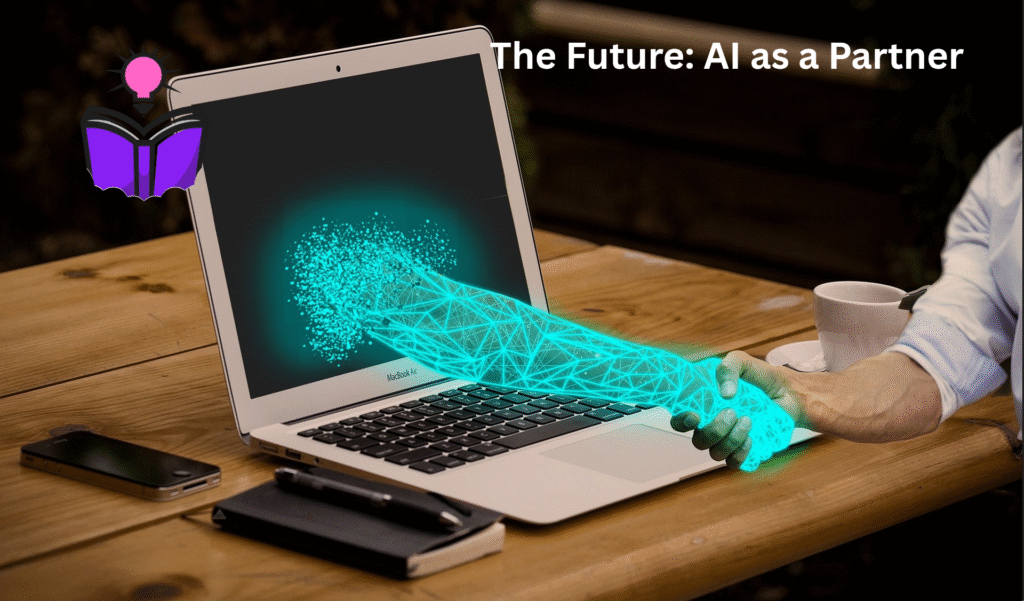
8. The Future: AI as a Partner, Not a Replacement
AI is transforming student learning, but it isn’t replacing teachers, textbooks, or traditional study habits. Instead, it’s becoming a partner—a powerful tool that enhances learning when used wisely.
What the Future Might Look Like:
- AI-driven classrooms
- Virtual reality learning environments
- Emotion-detecting AI for student engagement
- Fully personalized curricula
- Lifelong adaptive learning assistants
Students who learn how to use AI responsibly will thrive in this new era.
Conclusion: AI Is Changing Everything—Are Students Ready?
Artificial Intelligence has already changed how students learn, study, and interact with knowledge. It offers personalized learning, instant feedback, predictive insights, and adaptive tools that make education more powerful and accessible than ever before.
But like any powerful tool, AI must be used with awareness and balance.
The suspenseful truth?
AI isn’t just shaping the future of student learning—it’s shaping the students themselves. And those who understand this shift will lead the next generation.