How Social Media Is Shaping Student Learning
Is social media distracting students from learning — or secretly transforming how they learn forever?
For years, social media has been blamed for shorter attention spans, lower grades, and constant distraction. But beneath the surface, something unexpected is happening. Social media is quietly reshaping student learning in ways traditional classrooms never anticipated.
In this SEO-optimized guide, we explore how social media is shaping student learning, the benefits, the risks, and why educators can no longer afford to ignore its influence.
The Rise of Social Media in Students’ Daily Lives
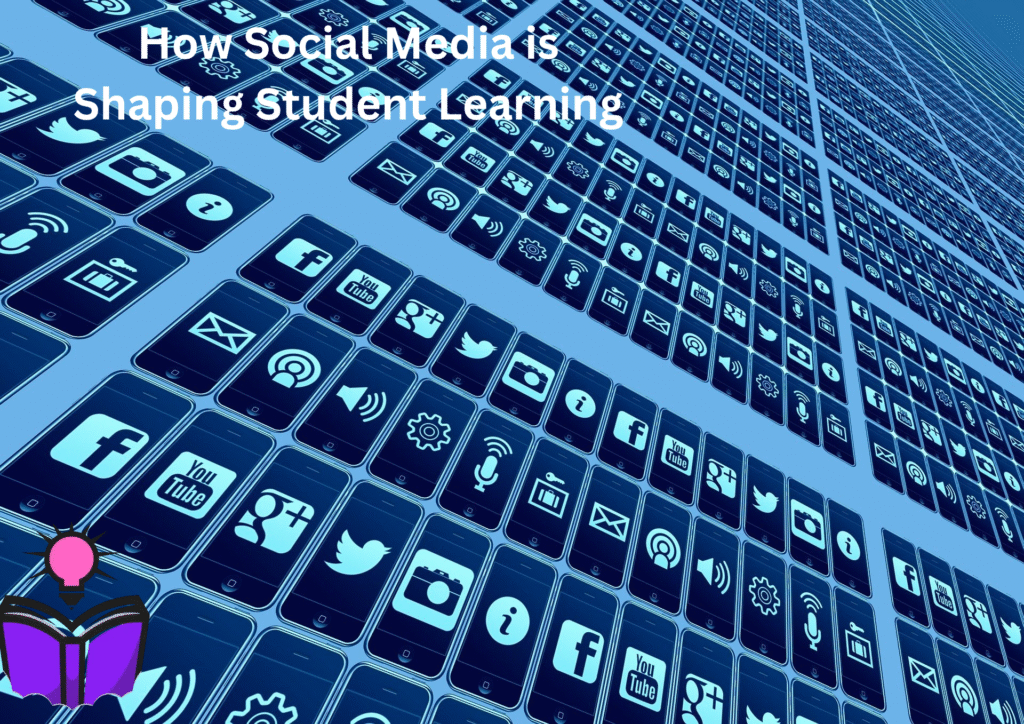
Today’s students are digital natives. Platforms like YouTube, Instagram, TikTok, LinkedIn, and X (formerly Twitter) aren’t just for entertainment — they are information hubs.
Students now:
- Discover new topics through short videos
- Learn concepts from creators, not textbooks
- Collaborate through online communities
- Ask questions and get instant feedback
Learning no longer starts in the classroom. Often, it starts with a scroll.
How Social Media Is Changing the Way Students Learn
1. Learning Is Becoming Shorter — but More Frequent
Social media thrives on bite-sized content. Surprisingly, this aligns with how the brain prefers to learn.
Short videos, infographics, and threads:
- Deliver information quickly
- Reduce cognitive overload
- Encourage repeated exposure
While attention spans may seem shorter, learning moments are happening more often.
2. Students Learn Through Visual and Interactive Content
Traditional learning relies heavily on text. Social media shifts the focus to:
- Videos
- Animations
- Visual explanations
- Live demonstrations
This visual-first approach improves comprehension, especially for complex topics like science, math, and technology.
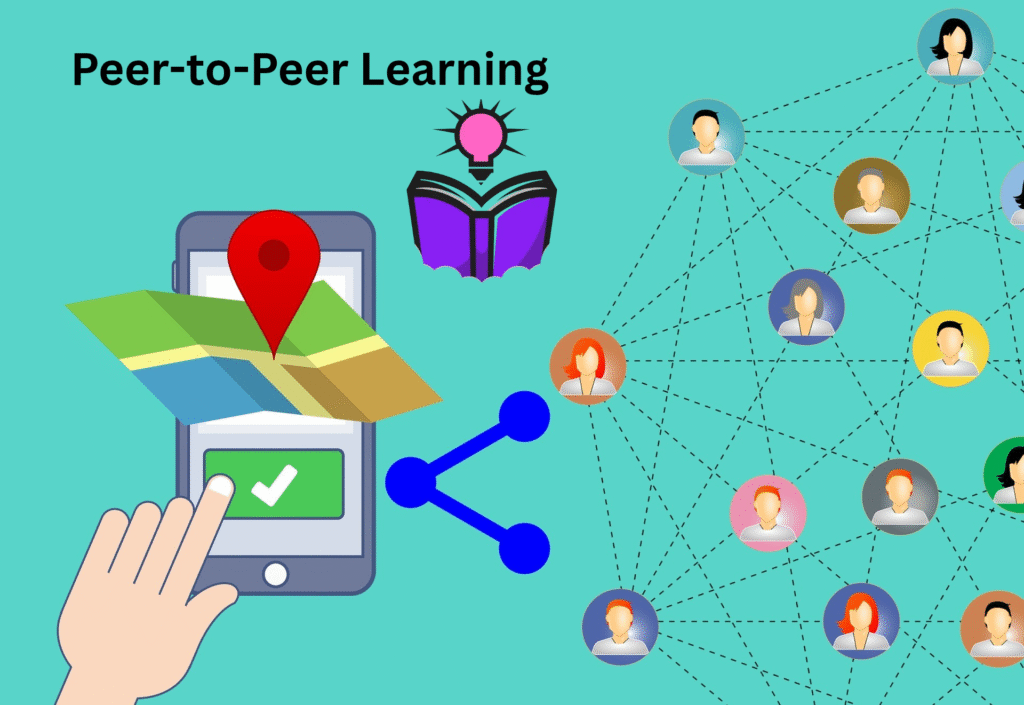
3. Peer-to-Peer Learning Is Stronger Than Ever
One of the most powerful shifts is social learning.
Students now:
- Learn from peers across the world
- Share notes, explanations, and resources
- Engage in academic discussions online
Learning feels less intimidating when it comes from someone “just like me.”
4. Instant Access to Diverse Perspectives
Social media removes geographic and cultural barriers.
Students can:
- Follow educators and experts globally
- Hear multiple viewpoints on the same topic
- Develop critical thinking skills
This exposure helps students move beyond memorization to deeper understanding.
The Suspenseful Truth: Social Media Teaches Skills Schools Often Don’t
Here’s what many don’t realize.
Social media helps students develop real-world skills, including:
- Digital literacy
- Communication skills
- Content creation
- Research and fact-checking
- Personal branding
These skills are increasingly valuable in modern careers.
Social Media as a Learning Motivation Tool
Motivation is one of education’s biggest challenges.
Social media boosts motivation by:
- Making learning relatable
- Gamifying progress
- Providing instant feedback and recognition
When learning feels relevant and rewarding, students engage voluntarily — not because they’re forced to.
The Risks: When Learning Turns into Distraction
Despite its benefits, social media has a darker side.
Common challenges include:
- Reduced focus
- Misinformation
- Comparison and anxiety
- Superficial learning
Without guidance, students may consume content without truly understanding it.
The key is intentional use, not avoidance.
How Educators Are Using Social Media for Learning
Forward-thinking educators are embracing social media by:
- Sharing micro-lessons
- Hosting live Q&A sessions
- Creating discussion groups
- Encouraging project-based content creation
When guided properly, social media becomes a powerful extension of the classroom.
The Future of Student Learning in a Social Media World
The future of education won’t replace classrooms — it will blend them with digital platforms.
We are moving toward:
- Hybrid learning environments
- Personalized content discovery
- Lifelong learning habits
Social media is no longer just a tool — it’s part of the learning ecosystem.
Final Thoughts: A Tool, Not a Threat
Social media is neither the enemy nor the solution.
Used carelessly, it distracts.
Used intentionally, it educates.
The real suspense isn’t whether social media will shape student learning — it already has.
The real question is:
Will students and educators learn how to use it wisely?