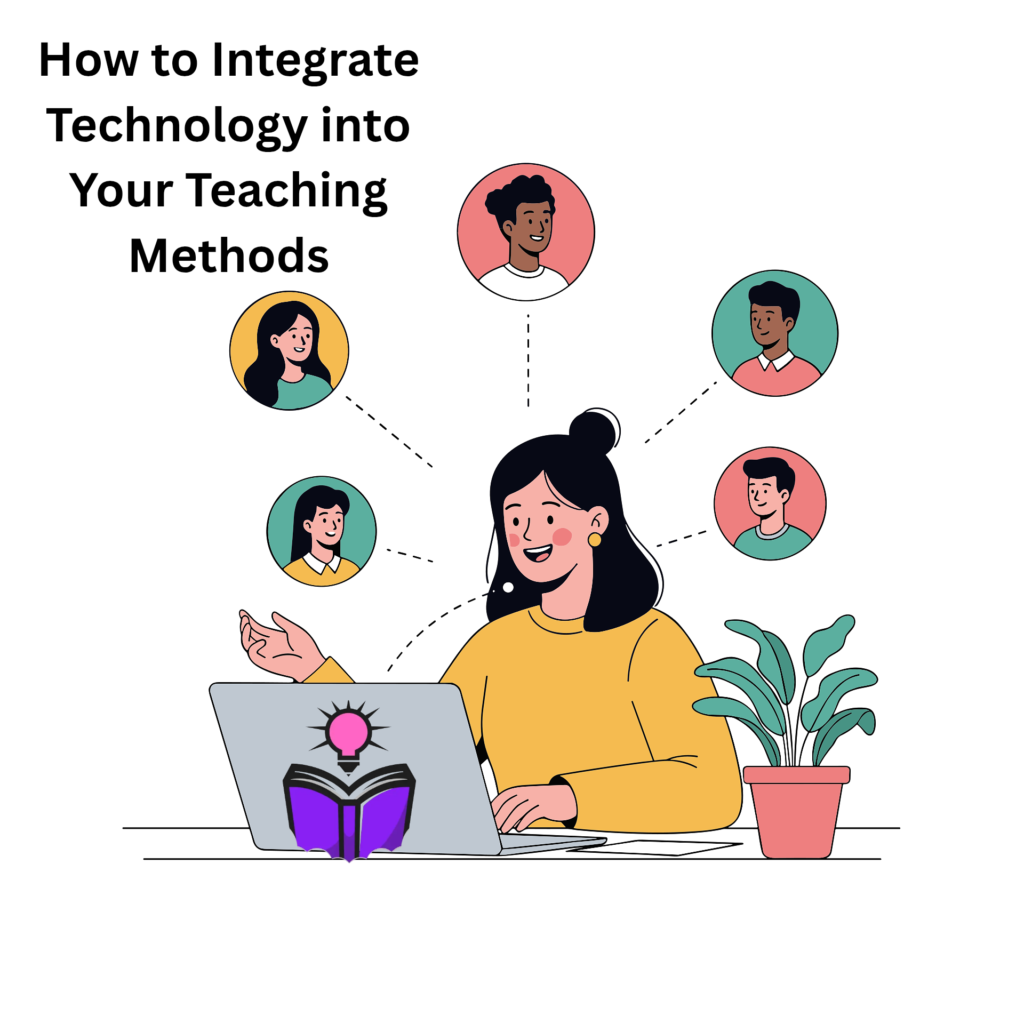
How to Integrate Technology into Your Teaching Methods (Without Losing the Human Touch)
The classroom is changing—quietly at first, then all at once. One day it’s a projector on the wall, the next it’s AI-powered feedback, virtual classrooms, and students collaborating across continents. The question is no longer whether technology belongs in education, but how to integrate it effectively without overwhelming teachers or learners.
If you’ve ever wondered how to bring technology into your teaching methods in a way that truly enhances learning, keep reading. The most powerful shift is just ahead.
Why Technology Integration in Teaching Matters More Than Ever
Today’s students are digital natives. They learn, communicate, and solve problems using technology every day. When teaching methods don’t reflect this reality, engagement drops—and curiosity fades.
Integrating technology in education can:
- Increase student engagement and motivation
- Support different learning styles
- Improve collaboration and communication
- Prepare students for real-world digital skills
But here’s the suspenseful truth: technology alone doesn’t improve learning—teachers do. The real impact comes from how you use it.
Start with Purpose, Not Tools
It’s tempting to begin with the latest app or platform. Resist that urge.
Instead, ask:
- What do I want my students to learn?
- What problem am I trying to solve?
- How can technology support this goal?
When technology aligns with learning objectives, it becomes a bridge, not a distraction.
Example:
Instead of using videos just to “fill time,” use them to introduce a topic, spark discussion, or visualize complex ideas.
Use Technology to Enhance, Not Replace, Teaching
One of the biggest fears educators have is that technology will replace them. In reality, it does the opposite—it amplifies your role.
Smart Ways to Enhance Teaching with Technology
- Interactive presentations to encourage real-time participation
- Digital quizzes and polls for instant feedback
- Learning management systems (LMS) to organize lessons and track progress
These tools free up time, allowing teachers to focus on what matters most: guiding, mentoring, and inspiring students.
Make Learning Interactive and Suspenseful
Attention is the new currency in education. To keep students curious, learning must feel active.
Try this:
- Gamified learning platforms that turn lessons into challenges
- Virtual simulations for science, history, or real-world scenarios
- Discussion boards where students debate ideas beyond the classroom
When students don’t know what exciting activity is coming next, curiosity takes over—and learning sticks.
Personalize Learning Through Technology
Every classroom is filled with learners at different levels. Technology makes personalization possible at scale.
Personalized learning tools can:
- Adapt content based on student performance
- Provide extra practice for struggling learners
- Offer advanced challenges for fast learners
This creates a quiet but powerful transformation: students feel seen, supported, and capable.
Train Teachers for Confident Technology Use
Even the best tools fail without proper training. Successful technology integration depends on teacher confidence.
Effective strategies include:
- Short, focused professional development sessions
- Peer collaboration and knowledge sharing
- Starting small with one tool at a time
Confidence grows not from knowing everything—but from being willing to experiment.
Balance Screen Time with Human Connection
Here’s the twist many forget: technology works best when paired with human interaction.
Encourage:
- Group discussions after digital activities
- Reflection and critical thinking beyond screens
- Creativity through projects, not just platforms
The goal is not more technology—but better learning experiences.

The Future of Teaching Is Already Here
Integrating technology into your teaching methods isn’t about keeping up with trends. It’s about unlocking new ways to inspire curiosity, deepen understanding, and prepare students for a digital future.
The real suspense?
The most effective classrooms aren’t the most high-tech—they’re the most thoughtfully designed.
Start with intention. Experiment with confidence. And watch your teaching transform.
Final Thought
Technology doesn’t change education overnight—but when used wisely, it changes everything.