
The Role of Data Analytics in Education: How Numbers Are Quietly Transforming Learning
What if teachers could predict which students need help before they fall behind?
What if schools could design lessons that adapt to every learner in real time?
This is not science fiction. It’s already happening—powered by data analytics in education.
Behind the scenes, data is reshaping classrooms, redefining teaching strategies, and unlocking student potential in ways never seen before. And the most fascinating part? We’re only at the beginning.
What Is Data Analytics in Education?
Data analytics in education refers to the process of collecting, analyzing, and interpreting educational data to improve teaching, learning, and decision-making.
This data can include:
- Student performance and assessment results
- Attendance and engagement levels
- Learning behavior in digital platforms
- Feedback from students and educators
When analyzed correctly, this information reveals patterns that help educators make smarter, faster, and more effective decisions.
Why Data Analytics Matters More Than Ever
Education is no longer one-size-fits-all. Every student learns differently, and data analytics makes personalized learning possible.
Schools today face major challenges:
- Learning gaps
- Student disengagement
- High dropout rates
- Inefficient teaching methods
Data analytics doesn’t just identify problems—it anticipates them. That’s where its true power lies.
How Data Analytics Is Transforming Student Learning
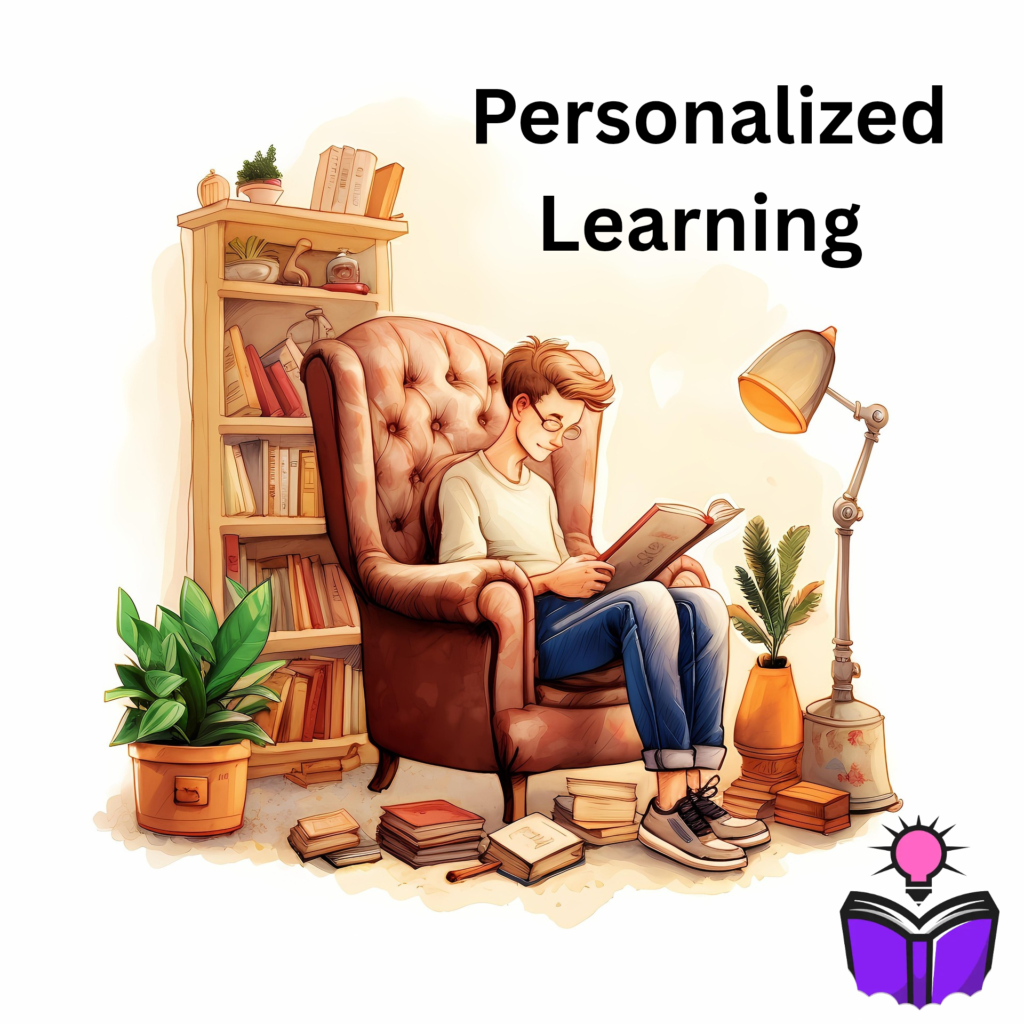
1. Personalized Learning Experiences
One of the biggest benefits of educational data analytics is personalization. By tracking how students interact with content, schools can:
- Adjust lesson difficulty
- Recommend learning resources
- Support different learning styles
Students receive exactly what they need, when they need it—no guesswork involved.
2. Early Identification of At-Risk Students
Here’s where things get truly suspenseful.
Data analytics can detect warning signs—such as declining grades, low participation, or missed assignments—long before failure occurs.
This allows educators to:
- Intervene early
- Provide targeted support
- Improve student retention and success rates
In many cases, a timely intervention can change a student’s entire academic journey.
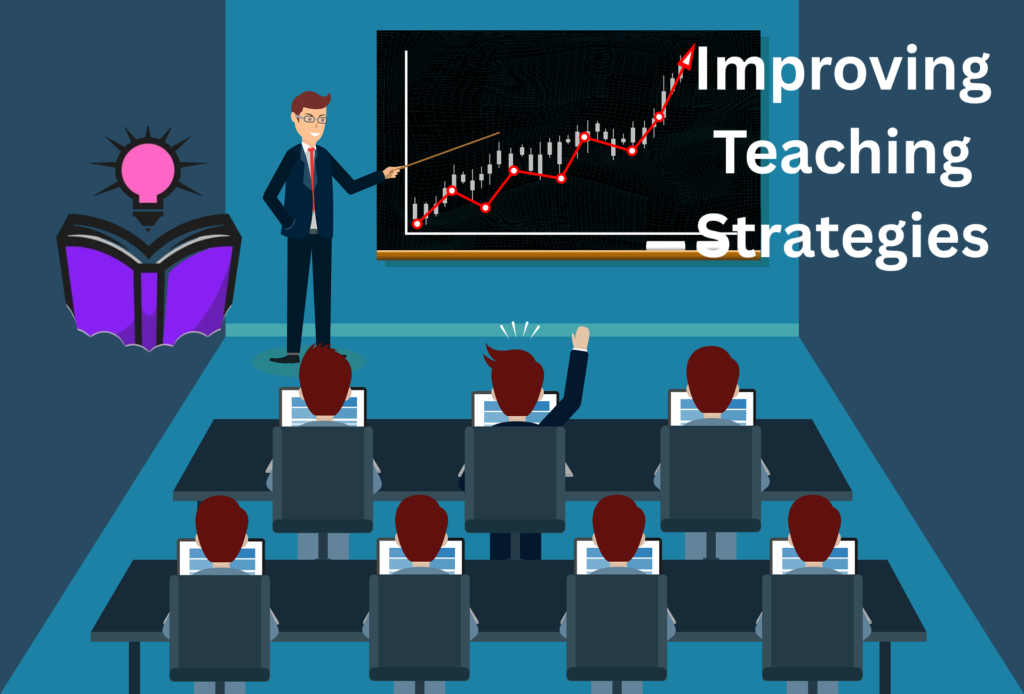
3. Improving Teaching Strategies With Real Evidence
Instead of relying only on intuition, teachers can now use data-driven insights to evaluate what works and what doesn’t.
Analytics helps educators:
- Identify effective teaching methods
- Understand where students struggle most
- Refine lesson plans based on real outcomes
The result? Better teaching and stronger learning outcomes.
The Role of Data Analytics in Institutional Decision-Making
Educational institutions don’t just teach—they manage resources, budgets, and policies. Data analytics supports smarter decisions by:
- Optimizing class schedules
- Allocating resources efficiently
- Measuring program effectiveness
When decisions are backed by data, schools become more efficient, transparent, and future-ready.
Data Analytics and Online Learning Platforms
With the rise of e-learning and digital classrooms, data analytics has become even more powerful.
Learning Management Systems (LMS) collect massive amounts of data, including:
- Time spent on lessons
- Quiz performance
- Student interaction patterns
These insights help platforms continuously improve content and create adaptive learning environments that respond to student needs in real time.
Ethical Use of Data in Education: A Growing Concern
With great power comes great responsibility.
As educational data analytics expands, concerns around:
- Data privacy
- Student consent
- Ethical use of information
must be carefully addressed. Schools and institutions need strong policies to ensure data is used responsibly, securely, and transparently.
Trust is essential for long-term success.

The Future of Data Analytics in Education
The future is closer than you think.
Emerging technologies like:
- Artificial Intelligence (AI)
- Predictive analytics
- Machine learning
are set to take educational analytics even further—creating systems that not only analyze past data but predict future learning outcomes.
Imagine a classroom that adapts itself automatically to each student’s progress. That future is already unfolding.
Final Thoughts: Why Data Analytics Is a Game-Changer in Education
Data analytics is no longer optional—it’s essential.
By turning raw data into meaningful insights, educators can:
- Improve student performance
- Personalize learning
- Reduce dropout rates
- Build smarter educational systems
The real question isn’t whether data analytics will shape education—but how quickly institutions are ready to embrace it.
One thing is certain: the classrooms of tomorrow will be powered not just by textbooks, but by data.
And the transformation has already begun.