
How to Maximize Study Efficiency with Study Breaks: The Science-Backed Secret to Smarter Learning
Meta Title: How to Maximize Study Efficiency with Study Breaks | Smart Study Guide
Meta Description: Learn how to maximize study efficiency with study breaks using proven techniques that boost focus, memory, and academic performance without burnout.
Primary Keyword: how to maximize study efficiency with study breaks
Secondary Keywords: effective study breaks, study efficiency tips, Pomodoro technique, focus and productivity, better study habits
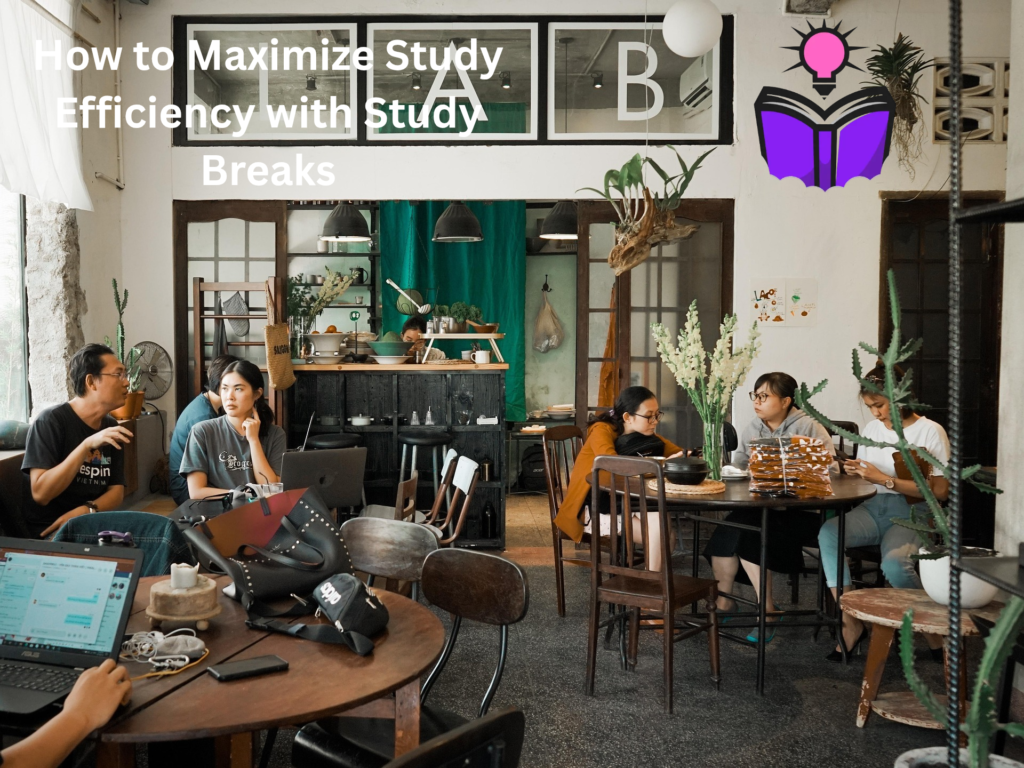
The Counterintuitive Truth About Studying Harder
What if the key to studying more effectively wasn’t more hours—but strategic pauses?
It sounds risky. Almost wrong. Yet research and top-performing students reveal a suspenseful truth: the brain learns best when it rests at the right moments. The problem isn’t lack of effort—it’s inefficient effort.
If you’ve ever studied for hours only to forget everything later, this guide will change how you learn.
Why Studying Without Breaks Backfires
Many students believe nonstop studying equals success. In reality, long, uninterrupted sessions often lead to:
- Mental fatigue and reduced focus
- Lower information retention
- Increased stress and burnout
- Diminishing returns after short periods
Your brain isn’t a machine—it’s a muscle. Push it too long, and performance drops.
The suspenseful insight: The moment you feel “in the zone” is often when your brain is closest to overload.
The Science Behind Study Breaks
Study breaks aren’t distractions—they’re neurological resets.
What Happens During a Break?
When you step away from studying:
- Your brain consolidates information
- Memory pathways strengthen
- Attention levels reset
- Creativity increases
This process allows your brain to store what you’ve learned instead of letting it fade away.
The Most Effective Study Break Strategies
Not all breaks are created equal. The difference between success and wasted time lies in how you break.
1. The Pomodoro Technique (The Classic Power Move)
One of the most proven study methods:
- Study for 25 minutes
- Take a 5-minute break
- After four cycles, take a longer break
This rhythm keeps your mind alert and prevents fatigue from sneaking in.
Why it works: The brain focuses better when it knows rest is coming.
2. Active Breaks That Recharge Your Brain
Passive scrolling often drains more energy than it restores. Instead, choose active breaks, such as:
- Stretching or light movement
- Deep breathing exercises
- A short walk
- Hydration and healthy snacks
These activities increase blood flow and oxygen—fuel for your brain.
3. Mental Reset Breaks
Sometimes your brain needs silence, not stimulation.
Effective mental reset ideas include:
- Closing your eyes for a few minutes
- Mindful breathing
- Brief journaling
These pauses reduce cognitive overload and sharpen focus for the next session.
How Long Should Study Breaks Be?
This is where suspense meets strategy.
The Ideal Timing Formula
- Short breaks: 5–10 minutes after 25–50 minutes of studying
- Long breaks: 15–30 minutes after 2–3 hours of focused work
Longer study sessions without breaks rarely lead to better results.
Key rule: Take breaks before exhaustion—not after.
Common Study Break Mistakes to Avoid
Even breaks can sabotage your efficiency if used incorrectly.
Avoid these pitfalls:
- Using social media excessively
- Watching long videos
- Skipping breaks entirely
- Turning breaks into procrastination
Breaks should refresh—not derail—your study momentum.
How Study Breaks Improve Memory and Performance
Here’s the suspenseful part most students overlook: breaks directly improve recall.
The Memory Advantage
When study sessions are spaced with breaks:
- Information transfers to long-term memory
- Learning becomes deeper and more durable
- Exam performance improves
This is known as spaced learning, and it’s one of the most effective study techniques available.
Creating Your Personalized Study-Break System
Every student is different. The best system is one you can maintain consistently.
Build a Break Routine That Works
Ask yourself:
- When does my focus start to fade?
- What activities help me reset fastest?
- How long can I study effectively before fatigue sets in?
Adjust your schedule accordingly. Efficiency comes from awareness, not rigid rules.
Final Thoughts: The Smartest Students Know When to Stop
Maximizing study efficiency isn’t about grinding endlessly—it’s about studying with intention.
Study breaks aren’t a sign of weakness. They’re a strategy used by high achievers who understand how learning really works.
The final suspenseful truth: The moment you step away—strategically—is often the moment your brain learns the most.
So take the break. Reset your mind. And return stronger, sharper, and ready to succeed.