How to Deal with Academic Pressure: Practical Strategies for Students in the United States
Academic pressure has become a defining experience for students across the United States. From early standardized testing to college admissions and career planning, today’s education system places significant demands on young people. While striving for academic success can encourage discipline and ambition, excessive pressure often leads to stress, anxiety, and burnout.
Learning how to deal with academic pressure is essential for students who want to succeed without sacrificing their mental health or personal well-being. This article explores why academic pressure is so common in the U.S., how it affects students, and what practical steps can help manage it in a healthy and sustainable way.
Understanding Academic Pressure in the U.S. Education System
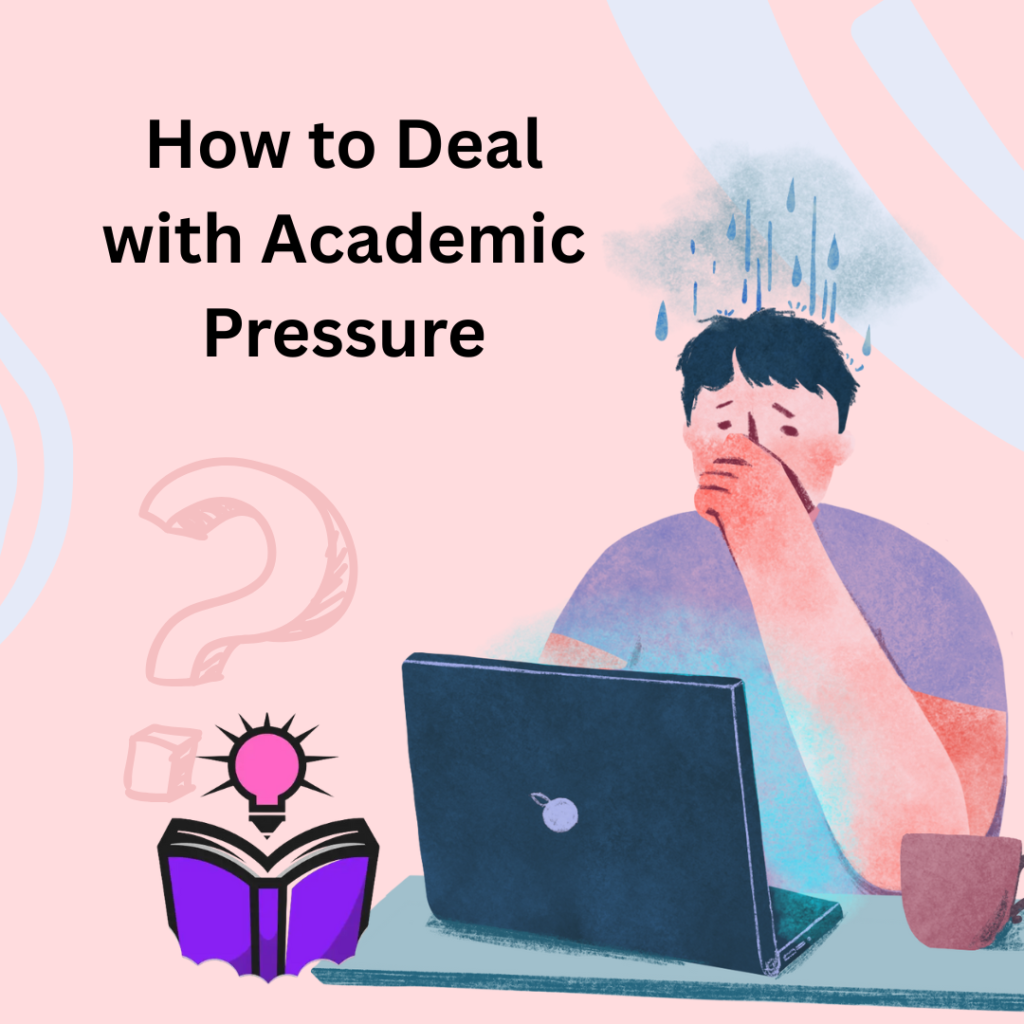
Academic pressure refers to the emotional and psychological stress students experience due to expectations surrounding academic performance. In the United States, this pressure often starts earlier than many people realize. Students may feel stressed about grades, test scores, class rankings, extracurricular achievements, and future career prospects.
The competitive nature of American education contributes heavily to this stress. High school students often feel the need to maintain strong GPAs, take advanced placement or honors classes, perform well on standardized tests, and build impressive college applications. College students face their own pressures, including academic rigor, student loans, internships, and the challenge of standing out in a competitive job market.
Cultural expectations also play a role. Success is frequently associated with academic achievement, leading many students to believe their worth is tied to their performance in school. This mindset can turn learning into a source of constant anxiety rather than curiosity and growth.
Common Sources of Academic Pressure
Academic pressure does not come from one single place. It is usually the result of several overlapping factors that build over time.
One major source is internal pressure. Many students set extremely high standards for themselves and fear failure or disappointing others. Perfectionism can make even small setbacks feel overwhelming.
External pressure is also common. Parents, teachers, and schools often emphasize achievement, sometimes unintentionally increasing stress. While most families want the best for their children, constant focus on grades and outcomes can make students feel as though they are never doing enough.
Social comparison adds another layer. With social media and constant connectivity, students are exposed to others’ achievements on a daily basis. Seeing peers succeed can be motivating, but it can also trigger self-doubt and feelings of inadequacy.
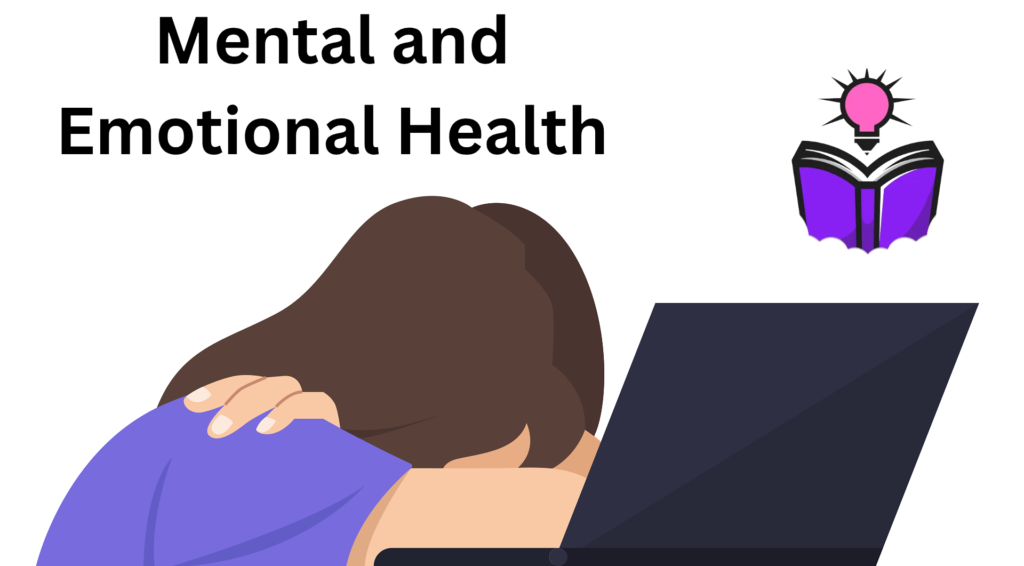
How Academic Pressure Affects Mental and Emotional Health
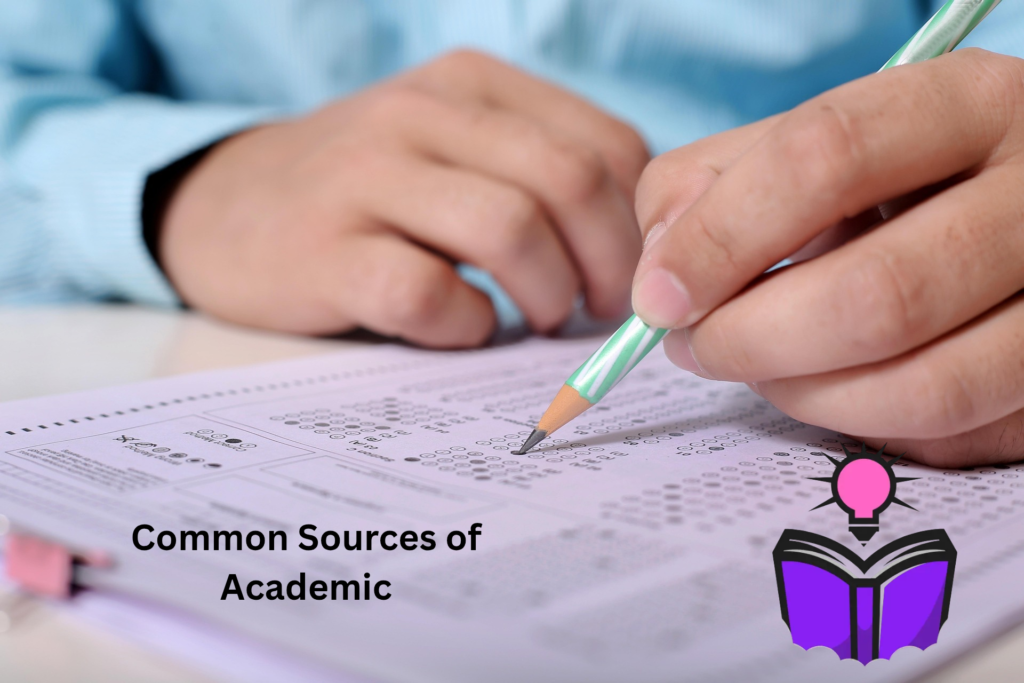
When academic pressure becomes excessive, it can have serious effects on a student’s mental and emotional well-being. Many students experience chronic stress, which can lead to anxiety, mood swings, irritability, and difficulty concentrating.
Over time, constant pressure may result in burnout. Burnout often shows up as emotional exhaustion, lack of motivation, and a feeling of detachment from schoolwork. Students who once cared deeply about learning may begin to feel numb or overwhelmed.
Academic pressure can also affect self-esteem. Students may start to believe they are only as good as their grades, leading to harsh self-criticism and fear of failure. This mindset can make challenges feel personal rather than part of the learning process.
The Physical Impact of Academic Stress
The effects of academic pressure are not limited to mental health. Stress often shows up physically as well. Many students experience headaches, fatigue, muscle tension, or sleep problems during periods of intense academic demand.
Lack of sleep is especially common among U.S. students, who may stay up late studying or worrying about schoolwork. Poor sleep reduces memory, focus, and emotional regulation, making academic tasks feel even more difficult.
Over time, chronic stress can weaken the immune system and lower overall energy levels. This creates a cycle where students feel too exhausted to perform well, which then increases pressure and frustration.
Recognizing When Academic Pressure Is Becoming Unhealthy
Not all pressure is harmful. A manageable level of stress can help students stay motivated and focused. However, it becomes unhealthy when it starts interfering with daily life, emotional stability, or physical health.
Warning signs include constant worry about school, panic before exams, feeling overwhelmed by minor tasks, loss of interest in hobbies, and difficulty relaxing even during breaks. Some students may also experience feelings of hopelessness or believe that their future depends entirely on academic outcomes.
Recognizing these signs early is crucial. When students acknowledge that pressure is affecting them negatively, they can take steps to regain balance before stress escalates..
Changing the Way You Think About Success and Failure
One of the most effective ways to deal with academic pressure is to change how success and failure are perceived. Many students in the United States grow up believing that success means high grades, prestigious schools, and constant achievement.
In reality, learning involves trial and error. Mistakes are not a sign of weakness but an essential part of growth. Viewing challenges as opportunities to learn rather than proof of inadequacy can significantly reduce stress.
When students focus on progress instead of perfection, academic pressure becomes more manageable. Success shifts from being about flawless performance to consistent effort, curiosity, and improvement over time.
Building Realistic Goals and Expectations
Unrealistic goals often contribute to unnecessary pressure. Students may overload their schedules with challenging classes, extracurricular activities, and work commitments without leaving time for rest.
Setting realistic and achievable goals helps create a sense of control. Breaking large tasks into smaller steps makes schoolwork feel less overwhelming and more approachable. When goals are clear and manageable, students are more likely to stay motivated without feeling consumed by stress.
It is also important to recognize personal limits. Everyone has different strengths, learning styles, and energy levels. Comparing oneself to others can lead to frustration and self-doubt, while focusing on individual progress promotes confidence.
Developing Healthy Study Habits
Strong study habits play a major role in reducing academic pressure. Disorganization, procrastination, and last-minute cramming often increase stress and lower confidence.
Creating a consistent study routine allows students to stay on top of their work without feeling rushed. Studying a little each day, rather than all at once, improves retention and reduces anxiety before exams.
Time management is especially important for students balancing academics with extracurricular activities, part-time jobs, or family responsibilities. Planning ahead and prioritizing tasks helps prevent overwhelm and creates space for rest and personal time.

The Importance of Taking Breaks
Many students believe that taking breaks is unproductive, but rest is essential for effective learning. Continuous studying without breaks often leads to mental fatigue and decreased focus.
Short breaks allow the brain to recharge and process information. Stepping away from schoolwork for even a few minutes can improve concentration and creativity when students return to their tasks.
Engaging in enjoyable activities during breaks, such as listening to music, spending time outdoors, or talking with friends, can significantly reduce stress and improve overall well-being.
Managing Pressure During Exams and High-Stress Periods
Exams are one of the most common sources of academic pressure. The fear of performing poorly can make it difficult to focus, even for well-prepared students.
Preparation is key to reducing exam stress. Reviewing material consistently, practicing problem-solving, and understanding concepts rather than memorizing information can build confidence.
Managing anxiety during exams also involves mindset. Reminding oneself that one test does not define intelligence or future success can help keep stress in perspective. Simple techniques like deep breathing can calm nerves and improve focus during high-pressure moments.
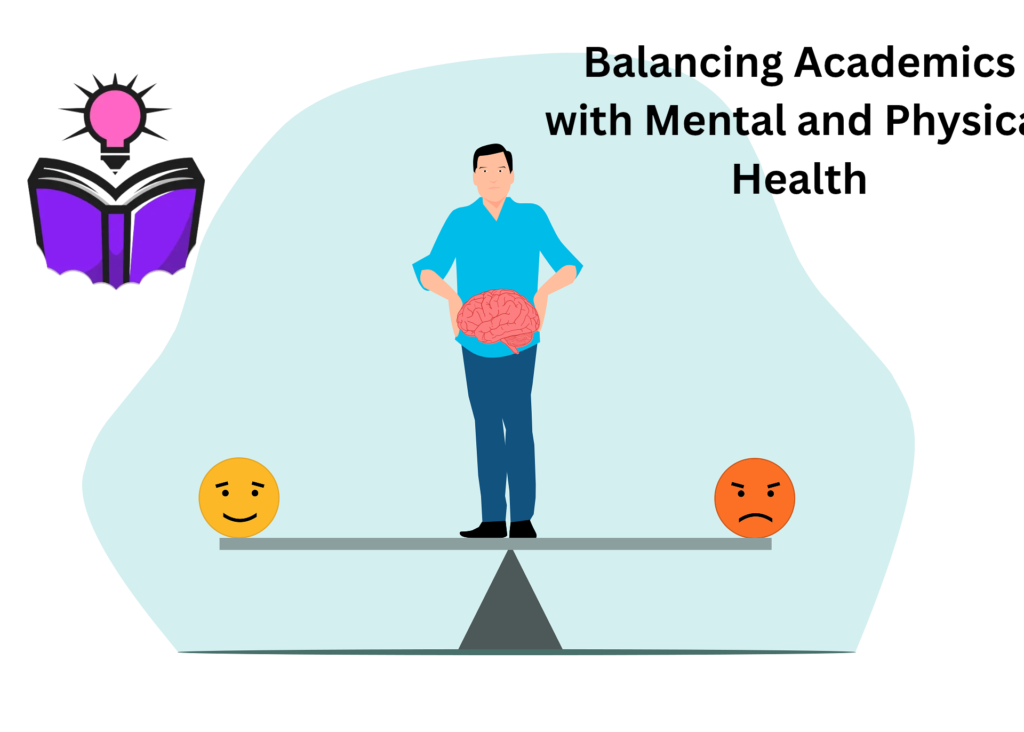
Balancing Academics with Mental and Physical Health
Academic success is closely linked to overall health. Students who neglect their mental and physical well-being often struggle more with focus, motivation, and emotional resilience.
Sleep is especially important. Consistent sleep schedules support memory, concentration, and mood regulation. Prioritizing rest is not a sign of laziness but a foundation for effective learning.
Nutrition and physical activity also play a role. Eating balanced meals and staying active provide the energy needed to handle academic demands. Even light physical movement can help relieve stress and improve mood.
The Role of Support Systems
No student should have to deal with academic pressure alone. Support systems play a vital role in helping students manage stress and maintain perspective.
Friends and classmates can provide emotional support and reassurance. Sharing experiences often helps students realize that others face similar challenges, reducing feelings of isolation.
Family support is equally important. Open communication about stress, expectations, and goals can strengthen understanding and reduce pressure at home.
Educational institutions in the U.S. also offer resources such as tutoring, academic advising, and counseling services. Taking advantage of these resources can make a significant difference in managing pressure effectively.
Knowing When to Seek Professional Help
Sometimes academic pressure becomes too intense to manage alone. Persistent anxiety, depression, or emotional distress may indicate the need for professional support.
Seeking help from a counselor or mental health professional is a proactive step toward well-being. It does not mean a student is failing; it means they are prioritizing their mental health.
Early intervention can prevent stress from escalating and help students develop healthier coping strategies that benefit them both academically and personally.
Redefining Achievement Beyond Grades
One of the most powerful ways to reduce academic pressure is to broaden the definition of achievement. Grades are only one measure of success, and they do not capture creativity, resilience, empathy, or problem-solving skills.
Developing life skills such as communication, adaptability, and emotional intelligence is just as important as academic performance. These qualities contribute to long-term success and fulfillment in ways that grades alone cannot.
When students recognize their value beyond academics, pressure loses much of its power.
Preparing for the Future Without Fear
Many students feel pressured because they believe every academic decision will permanently shape their future. While education matters, life is rarely as linear as it appears.
Careers evolve, interests change, and opportunities arise in unexpected ways. Understanding that there is flexibility in life paths can reduce fear and make academic challenges feel less overwhelming.
Focusing on learning, growth, and self-development prepares students for the future without tying their identity to a single outcome.
Final Thoughts: Learning to Thrive Under Academic Pressure
Academic pressure is a common experience for students in the United States, but it does not have to define the educational journey. By understanding the sources of pressure, recognizing its effects, and developing healthy coping strategies, students can navigate academic challenges with greater confidence and balance.
Learning how to deal with academic pressure is not about eliminating stress entirely. It is about managing it in a way that supports growth, well-being, and long-term success. When students prioritize balance, self-awareness, and support, they create a foundation not only for academic achievement but for a healthier and more fulfilling life.