Top 10 Study Resources for Competitive Exams in the United States
Preparing for competitive exams in the United States can feel overwhelming. Whether you are aiming for standardized tests like the SAT, ACT, GRE, GMAT, LSAT, MCAT, civil service exams, or professional certifications, the competition is intense and the stakes are high. Success depends not only on hard work but also on choosing the right study resources that match your learning style, schedule, and goals.
With the rapid growth of digital education, students today have access to more tools than ever before. However, having too many options can be just as confusing as having none. This guide breaks down the top 10 study resources for competitive exams that consistently help U.S. students perform better, stay motivated, and build long-term academic confidence.
This article is designed to help you make informed decisions, regardless of whether you are a high school student, college graduate, or working professional preparing for your next big exam.
Understanding Competitive Exams in the U.S.
Competitive exams in the United States are designed to measure aptitude, subject knowledge, critical thinking, and problem-solving ability. These exams are often used for college admissions, graduate school entry, scholarships, government jobs, and professional licensure.
Unlike rote-learning exams, U.S. competitive tests emphasize conceptual understanding, time management, and analytical reasoning. That is why the right study resources matter. The best tools do not just teach content; they train your mind to think the way the exam expects you to think.
1. Official Test Preparation Materials
One of the most powerful yet underestimated resources for competitive exam preparation is the official material released by the test makers themselves. These materials are often designed by the same teams that create the exams, making them highly aligned with the actual test format and difficulty level.
Official guides typically include real practice questions, full-length tests, and detailed explanations. They help students understand how questions are framed, how scoring works, and what common traps to avoid. For U.S.-based exams, official materials also reflect the latest updates and test changes, which is critical in a constantly evolving testing landscape.
Students who start their preparation with official resources often build a strong foundation before moving on to supplementary tools.
2. Online Learning Platforms
Online learning platforms have transformed the way American students prepare for competitive exams. These platforms offer structured courses, video lessons, adaptive practice questions, and progress tracking, all in one place.
What makes online platforms especially effective is personalization. Many use algorithms to identify your weak areas and adjust difficulty levels accordingly. This is particularly useful for busy students who want to study efficiently without wasting time on topics they already know.
Another advantage is flexibility. Whether you prefer studying early in the morning, late at night, or during lunch breaks, online platforms allow you to learn at your own pace, from anywhere in the U.S.
3. Mobile Study Apps
In today’s fast-paced lifestyle, mobile study apps have become a go-to resource for competitive exam aspirants. These apps are designed for short, focused study sessions, making them perfect for commuting, waiting in line, or taking quick revision breaks.
Many study apps offer daily practice questions, flashcards, quizzes, and reminders to keep you consistent. Some even include gamified elements, which can make learning more engaging and less stressful.
For U.S. students juggling school, work, and family responsibilities, mobile apps provide a practical way to stay connected to exam preparation without feeling overwhelmed.
4. Video-Based Learning Channels
Video-based learning has gained massive popularity among students preparing for competitive exams. Many learners find it easier to understand complex topics when they are explained visually and verbally rather than through dense textbooks.
High-quality video lessons break down difficult concepts into digestible explanations, often using real-world examples that resonate with American students. These resources are particularly helpful for subjects like math, science, logic, and data interpretation.
Another benefit is the ability to pause, rewind, and replay lessons as needed. This allows students to learn at their own pace and revisit challenging topics until they feel confident.
5. Practice Tests and Mock Exams
Practice tests are one of the most critical resources for competitive exam success. No matter how well you understand the material, you need to practice applying that knowledge under exam-like conditions.
Mock exams help students build stamina, improve time management, and reduce test-day anxiety. They also reveal patterns in mistakes, allowing you to fine-tune your preparation strategy.
For U.S. competitive exams, practice tests are especially important because they help you become familiar with question styles, pacing, and scoring methods. Regular mock testing can significantly improve performance and confidence.
6. Study Guides and Prep Books
Despite the rise of digital tools, traditional study guides and prep books remain highly relevant. Well-structured prep books offer comprehensive coverage of exam syllabi, detailed explanations, and curated practice questions.
Many American students appreciate the focus and discipline that comes with studying from a physical book. Highlighting, note-taking, and revisiting marked sections can enhance retention and understanding.
Prep books are especially useful for students who prefer a linear learning approach or who want a reliable offline resource to supplement online study tools.
7. Flashcards and Active Recall Tools
Active recall is one of the most effective learning techniques, and flashcards are a powerful way to implement it. Flashcards help students memorize key concepts, formulas, vocabulary, and definitions through repetition and self-testing.
Digital flashcard tools allow users to create custom decks, track progress, and use spaced repetition algorithms to optimize memory retention. This method is widely used by U.S. students preparing for exams that require strong recall abilities, such as medical, law, and certification exams.
Flashcards are particularly effective for last-minute revision and long-term memory building.
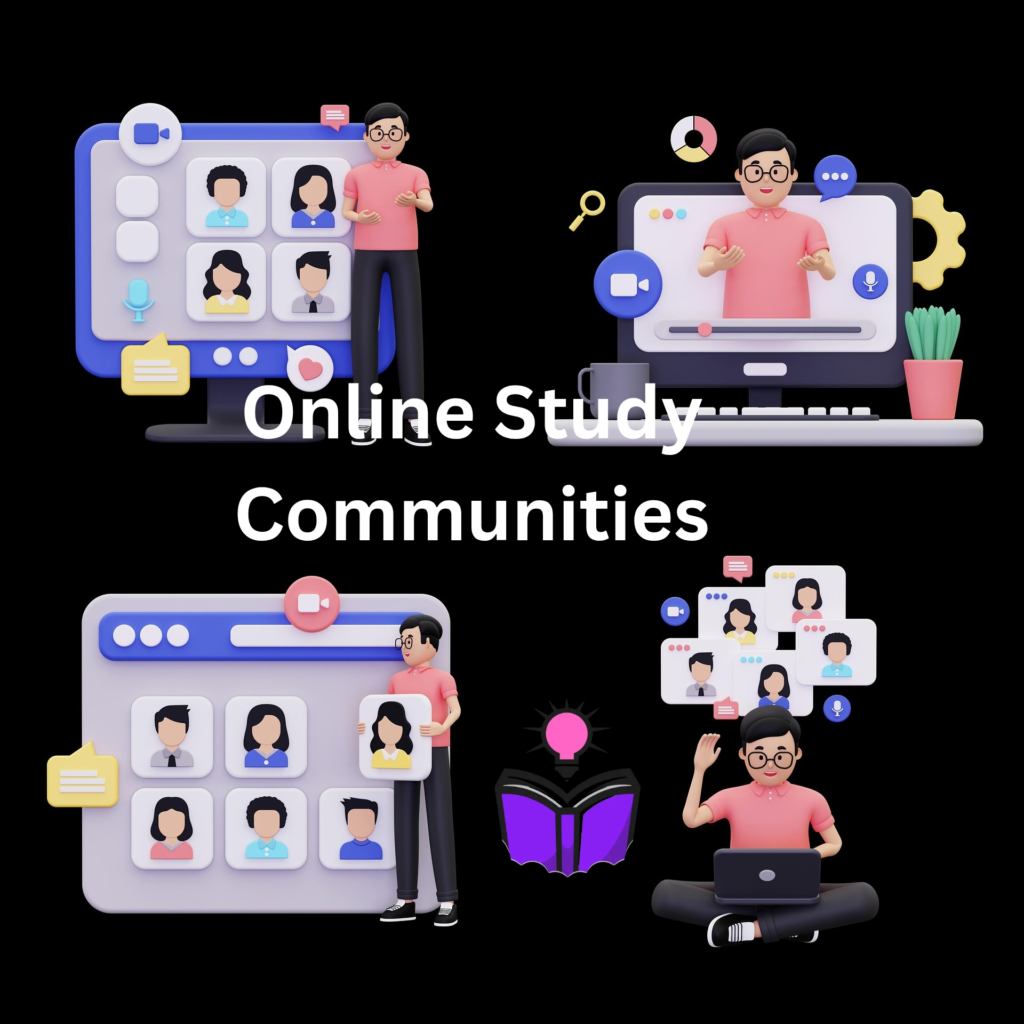
8. Online Study Communities and Forums
Studying for competitive exams can be isolating, but online study communities provide a sense of connection and support. These forums allow students to ask questions, share strategies, and learn from others who are preparing for the same exams.
For U.S. students, these communities often provide insights into exam trends, preparation timelines, and real test-day experiences. Engaging in discussions can also expose you to different problem-solving approaches and study techniques.
Being part of a study community helps maintain motivation, especially during long preparation periods.
9. Private Tutoring and Coaching Programs
For students who need personalized guidance, private tutoring and coaching programs can be extremely valuable. Tutors can identify individual weaknesses, customize study plans, and provide targeted feedback that generic resources may not offer.
In the United States, tutoring is commonly used for high-stakes exams where small score improvements can make a significant difference in admissions or career outcomes. One-on-one coaching can also help students build confidence and accountability.
While tutoring may require a financial investment, many students find it worthwhile due to the focused attention and faster progress it provides.
10. Time Management and Productivity Tools
One often overlooked resource in competitive exam preparation is productivity and time management tools. Even the best study materials are ineffective without consistent and organized study habits.
Planning tools help students set realistic goals, track progress, and balance exam preparation with other responsibilities. This is especially important for U.S. students who may be managing school, part-time jobs, or family commitments alongside studying.
Using productivity tools can reduce burnout, improve focus, and ensure that preparation remains sustainable over time.
How to Choose the Right Study Resources
Not all study resources work equally well for every student. The key is to select tools that align with your learning style, exam type, and schedule. Some students learn best through videos, while others prefer reading or hands-on practice.
It is also important to avoid using too many resources at once. Overloading yourself can lead to confusion and burnout. Instead, start with a few core tools and add supplementary resources only when necessary.
Consistency matters more than perfection. A smaller set of well-used resources will always outperform a large collection of unused ones.
Final Thoughts
Preparing for competitive exams in the United States is a challenging journey, but it is also an opportunity for growth and self-discipline. The right study resources can transform preparation from a stressful experience into a structured and rewarding process.
By combining official materials, digital platforms, practice tests, and smart study strategies, students can build confidence and perform at their best on exam day. Remember that success is not just about intelligence—it is about preparation, persistence, and using the right tools effectively.
No matter where you are in your exam journey, investing time in selecting high-quality study resources is one of the smartest decisions you can make. With the right approach, your competitive exam goals are well within reach.
Just tell me 👍