How Remote Learning Is Helping Students Worldwide
Remote learning has transformed the global education landscape in ways few could have predicted a decade ago. What was once considered a supplemental option is now a central part of how millions of students learn, grow, and prepare for the future. In the United States, remote learning has reshaped classrooms, expanded access to education, and created new opportunities not only for American students but also for learners across the world.
While remote learning gained widespread attention during periods of disruption, its long-term impact goes far beyond emergency solutions. It has become a powerful tool for inclusion, flexibility, and innovation. From rural communities to major cities, and from K–12 education to higher learning and professional development, remote education is helping students worldwide overcome barriers that once limited access to quality learning.
This article explores how remote learning is making a difference globally, why it matters to U.S. learners and educators, and how it continues to shape the future of education.
Understanding Remote Learning in Today’s World
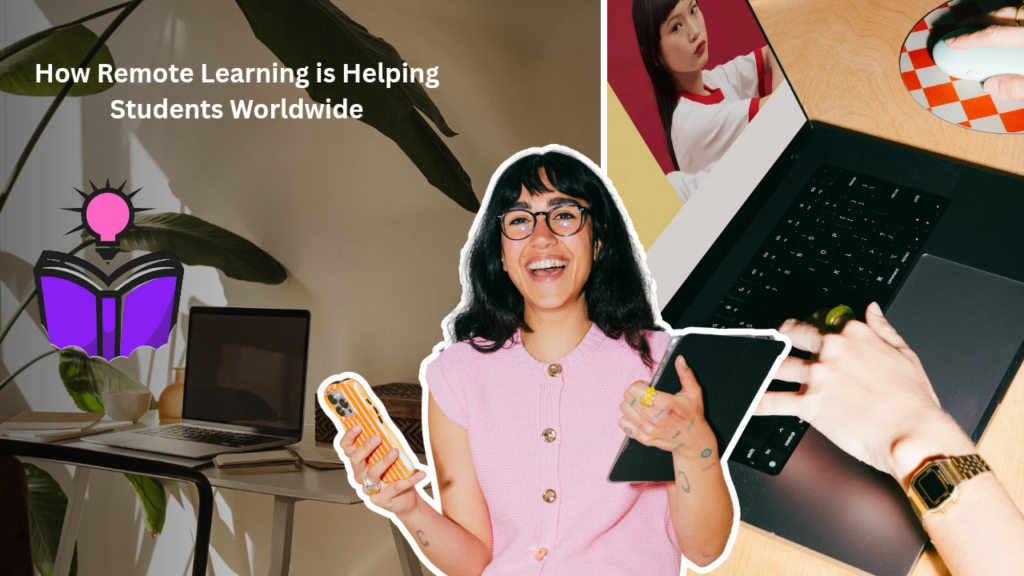
Remote learning refers to education that takes place outside a traditional physical classroom, often through digital platforms. Students and instructors connect using the internet, allowing lessons, discussions, assignments, and assessments to happen from different locations. While online education has existed for years, advances in technology and connectivity have made it more interactive, engaging, and scalable.
In the United States, remote learning includes virtual public schools, online college programs, hybrid classrooms, and corporate training platforms. Globally, it supports students who may not have access to traditional schools due to geography, economic conditions, or social challenges. What unites these experiences is the ability to learn without being physically present in a classroom.
Remote learning is not simply about watching recorded lectures. Modern approaches emphasize interaction, collaboration, and personalized learning, helping students stay engaged and motivated regardless of where they live.
Expanding Access to Education Across Borders
One of the most significant ways remote learning is helping students worldwide is by expanding access. For decades, access to quality education depended heavily on location. Students in rural areas, developing regions, or conflict-affected zones often faced limited educational opportunities. Remote learning has begun to change that reality.
Through online platforms, students can now access courses taught by educators and institutions located thousands of miles away. A learner in a small town can enroll in advanced math classes, language courses, or specialized science programs that may not be available locally. This global reach has been especially impactful in higher education and skill-based training.
For U.S. students, this expanded access means exposure to diverse perspectives and global knowledge. Collaborative projects with international peers help build cultural awareness and prepare students for an increasingly interconnected world.
Supporting Educational Continuity During Disruptions
Remote learning has proven to be a vital solution during times of disruption. Natural disasters, public health emergencies, and political instability have all affected traditional schooling in different parts of the world. Remote education allows learning to continue even when physical classrooms are inaccessible.
In the United States, many school districts and universities have adopted remote learning systems to ensure continuity. This experience has led to stronger digital infrastructure and improved preparedness for future disruptions. Globally, these systems help students maintain academic progress despite circumstances beyond their control.
By providing stability and consistency, remote learning helps reduce learning gaps and supports long-term educational outcomes, especially for vulnerable populations.
Personalized Learning for Different Learning Styles
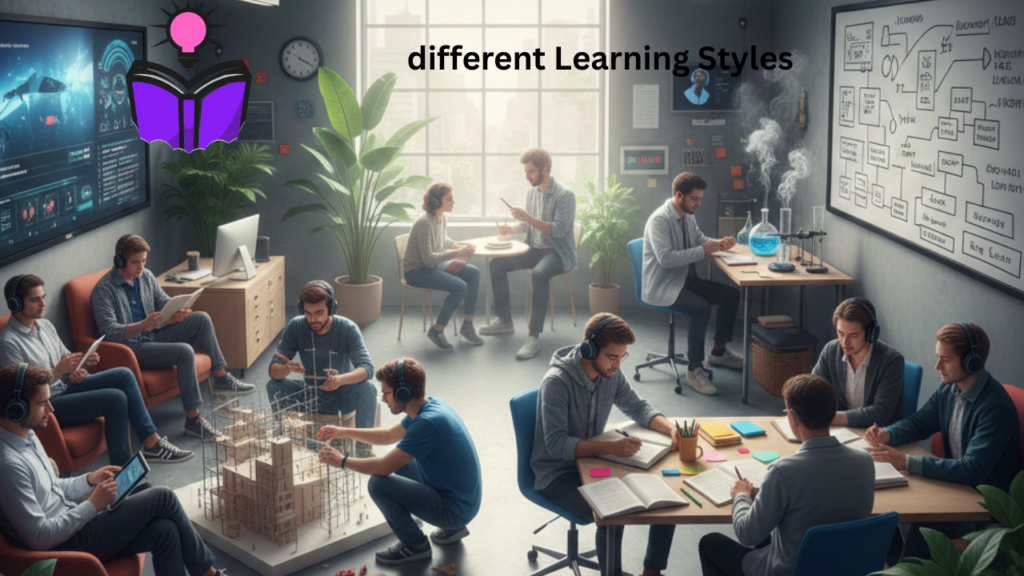
Every student learns differently. Some thrive in fast-paced environments, while others need more time to process information. Traditional classrooms often struggle to accommodate these differences. Remote learning, however, offers greater flexibility and personalization.
Online platforms allow students to learn at their own pace, revisit recorded lessons, and access supplemental materials tailored to their needs. Adaptive learning technologies can adjust content based on performance, helping students focus on areas where they need the most support.
For U.S. students, this personalized approach can be particularly beneficial for those balancing school with work, family responsibilities, or extracurricular commitments. Globally, it helps learners overcome language barriers and varying educational backgrounds.
Empowering Students Through Flexibility and Independence
Remote learning encourages students to take greater ownership of their education. Without the rigid structure of a traditional classroom, learners develop important skills such as time management, self-discipline, and digital literacy.
This flexibility is especially valuable for older students, working professionals, and non-traditional learners. In the United States, many college students and adult learners rely on remote education to upskill or change careers while maintaining their current responsibilities.
Worldwide, this independence empowers students who might otherwise be excluded from education due to work obligations or family roles. Remote learning makes it possible to learn without putting life on hold.
Bridging Gaps in Teacher Availability
In many parts of the world, a shortage of qualified teachers limits educational opportunities. Remote learning helps bridge this gap by connecting students with instructors regardless of location. A single educator can reach hundreds or even thousands of students across different regions.
In the U.S., remote learning allows schools to offer specialized subjects such as advanced placement courses, coding, or foreign languages, even if local staff is unavailable. Globally, students gain access to expertise that may not exist in their communities.
This model also supports professional development for teachers, who can collaborate, share resources, and learn from peers around the world.
Enhancing Digital Skills for the Future Workforce
As technology continues to shape the global economy, digital skills are becoming essential. Remote learning naturally integrates technology into the educational experience, helping students become comfortable with digital tools, online communication, and virtual collaboration.
For students in the United States, these skills align closely with workforce demands. Employers increasingly value candidates who can work remotely, manage digital projects, and communicate effectively online. Remote learning prepares students for these expectations from an early age.
Worldwide, digital literacy gained through remote education can open doors to new economic opportunities, supporting global workforce development and innovation.
Encouraging Global Collaboration and Cultural Exchange
Remote learning connects students from different cultures, backgrounds, and perspectives. Virtual classrooms often include participants from multiple countries, creating opportunities for cross-cultural collaboration.
These interactions help students develop empathy, communication skills, and global awareness. For U.S. learners, engaging with international peers enhances understanding of global issues and prepares them for careers in a diverse and interconnected world.
This exchange of ideas benefits students everywhere, fostering mutual respect and shared learning experiences that extend beyond textbooks.
Supporting Students With Special Needs
Remote learning has also created new possibilities for students with special needs. Flexible schedules, customizable content, and assistive technologies allow learning environments to be adapted to individual requirements.
In the United States, many families have found that remote education provides a more supportive and less stressful experience for students who struggle in traditional classrooms. Globally, it offers access to specialized resources that may not be available locally.
While challenges remain, continued innovation in remote learning platforms is helping make education more inclusive and accessible.
Reducing Costs and Financial Barriers
Education can be expensive, especially when factoring in transportation, housing, and physical materials. Remote learning can reduce many of these costs, making education more affordable.
For U.S. students, online programs often offer lower tuition and eliminate commuting expenses. Internationally, remote learning allows students to access high-quality education without relocating or incurring significant financial burdens.
By lowering barriers to entry, remote education helps more students pursue learning opportunities that align with their goals.
Strengthening Lifelong Learning Opportunities
Learning no longer ends with graduation. In a rapidly changing world, continuous skill development is essential. Remote learning supports lifelong learning by offering flexible, accessible options for people at all stages of life.
In the United States, professionals use online courses to reskill, upskill, or explore new interests. Globally, remote learning empowers individuals to adapt to changing job markets and technological advancements.
This culture of lifelong learning benefits both individuals and societies, promoting innovation, adaptability, and resilience.
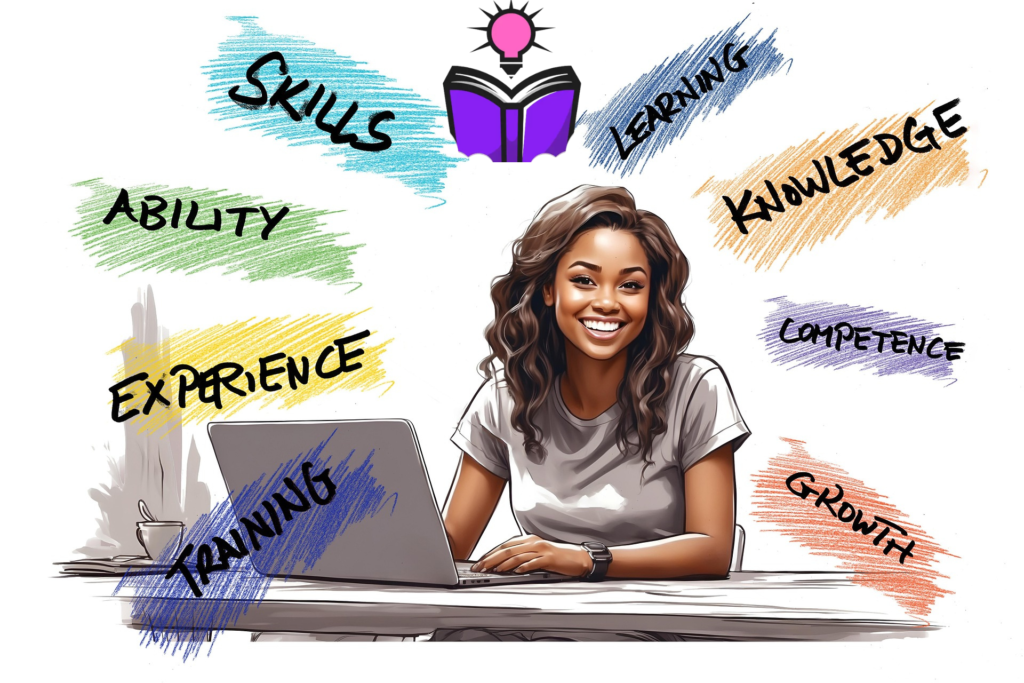
Addressing Challenges and Improving the Experience
While remote learning offers many benefits, it also presents challenges. Issues such as internet access, digital fatigue, and reduced social interaction must be addressed to ensure effective learning experiences.
In the U.S., investments in broadband access and digital equity are helping close the connectivity gap. Educators worldwide are refining online teaching methods to increase engagement and support student well-being.
As technology evolves, remote learning continues to improve, incorporating interactive tools, virtual simulations, and collaborative platforms that enhance the learning experience.
The Role of Parents and Communities
Remote learning has changed the role of parents and communities in education. Families often play a more active role in supporting students, especially younger learners. This increased involvement can strengthen connections between education and home life.
In the United States, schools and communities are developing resources to help parents support remote learning effectively. Globally, community-based initiatives are expanding access to technology and learning spaces.
These collaborative efforts contribute to more holistic and supportive educational environments.
Preparing Students for a Global Future
The future of education is increasingly global, digital, and flexible. Remote learning reflects this reality by preparing students for a world where collaboration, adaptability, and continuous learning are essential.
For U.S. students, exposure to remote education builds skills that align with higher education and workforce trends. Globally, it helps level the playing field, giving learners from diverse backgrounds the opportunity to succeed.
By breaking down geographic and economic barriers, remote learning supports a more equitable and connected world.
Looking Ahead: The Future of Remote Learning
Remote learning is not a temporary trend—it is a lasting component of modern education. As technology continues to advance, remote learning will become more immersive, interactive, and personalized.
In the United States, hybrid models that combine in-person and remote learning are becoming increasingly common. Worldwide, expanding connectivity and innovation will continue to bring education to underserved communities.
The ongoing evolution of remote learning promises to enhance educational quality, accessibility, and global collaboration.
Final Thoughts
Remote learning is helping students worldwide by expanding access, promoting flexibility, and preparing learners for a digital future. For the United States audience, it represents both an opportunity and a responsibility—to innovate, invest, and ensure equitable access to quality education.
By embracing remote learning thoughtfully and inclusively, educators, policymakers, and communities can create learning environments that support students wherever they are. As the world becomes more interconnected, remote learning stands as a powerful example of how education can transcend boundaries and empower learners everywhere.
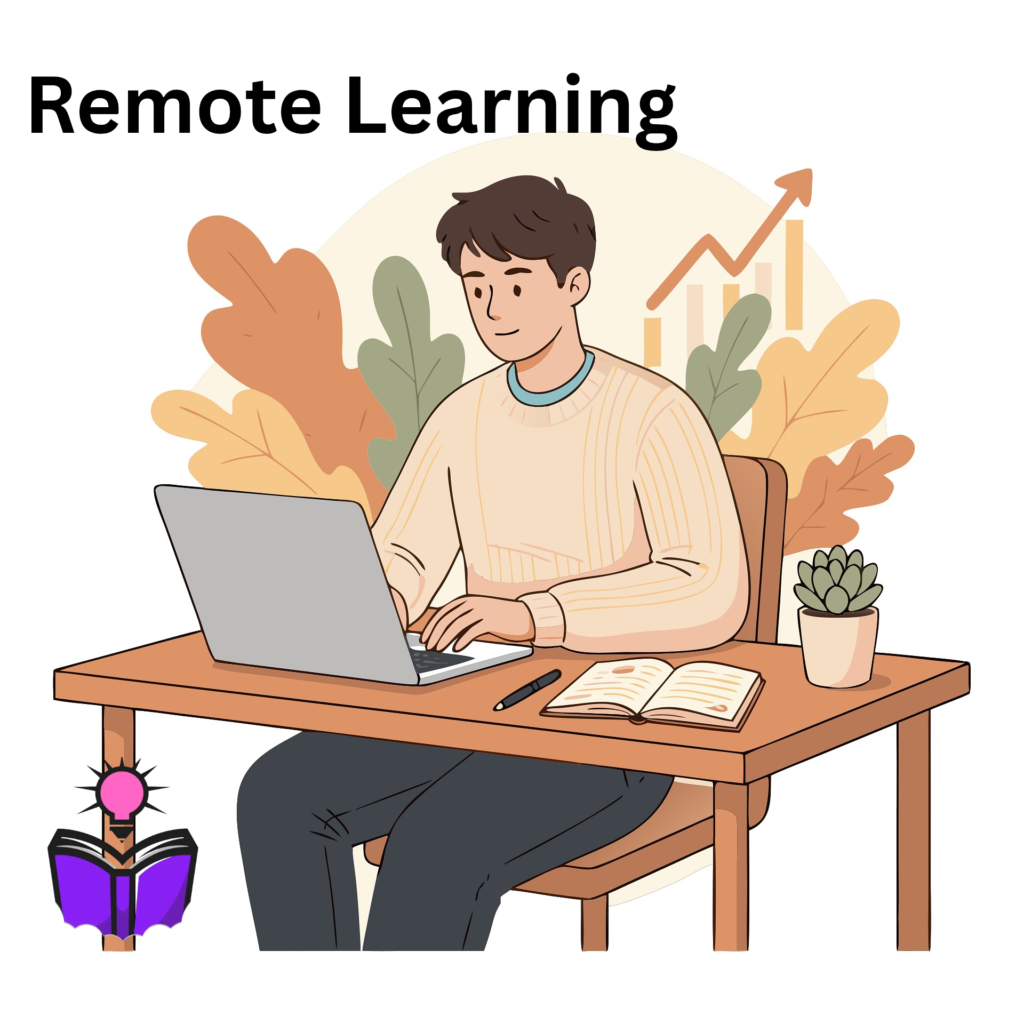
How remote learning is transforming education worldwide—expanding access, improving flexibility, and helping students learn anytime, anywhere through digital tools and online classrooms.