How to Use EdTech to Promote Collaborative Learning
Education in the United States is evolving faster than ever, and technology is at the heart of that change. From K–12 classrooms to universities and corporate training environments, educational technology—commonly known as EdTech—is reshaping how people learn, connect, and collaborate. One of the most powerful outcomes of this shift is the rise of collaborative learning supported by digital tools.
Collaborative learning is not a new concept. Students have always learned better when they discuss ideas, solve problems together, and learn from each other’s perspectives. What is new is how EdTech removes barriers of time, location, and access, making collaboration easier, more inclusive, and more effective than ever before.
This article explores how EdTech can be used strategically to promote collaborative learning, why it matters for learners in the United States, and how educators and institutions can create engaging, technology-driven collaborative environments that truly work.

Understanding Collaborative Learning in the Digital Age
Collaborative learning is an educational approach where learners actively work together to achieve shared learning goals. Instead of passively receiving information, students engage in discussion, peer teaching, group problem-solving, and co-creation of knowledge.
In traditional classrooms, collaboration was often limited by physical space, class time, and group dynamics. EdTech changes that equation. Digital platforms allow collaboration to happen synchronously and asynchronously, inside and outside the classroom, and across geographic boundaries.
For U.S. learners, this is especially valuable. Schools and colleges serve increasingly diverse populations with different learning styles, schedules, and needs. Technology-supported collaboration helps level the playing field, allowing every learner to contribute in ways that suit them best.
Why Collaborative Learning Matters for U.S. Students
In the United States, education is closely tied to workforce readiness. Employers consistently emphasize skills such as communication, teamwork, critical thinking, and adaptability. Collaborative learning directly supports the development of these competencies.
When students collaborate using EdTech tools, they practice articulating ideas clearly, listening to others, resolving conflicts, and working toward common goals. These experiences mirror real-world professional environments, where collaboration often happens through digital platforms rather than face-to-face meetings.
Additionally, collaborative learning supports deeper understanding. Research and classroom experience alike show that students retain information better when they explain concepts to peers or apply knowledge in group settings. EdTech amplifies this effect by enabling multimedia expression, real-time feedback, and continuous interaction.
The Role of EdTech in Modern Collaborative Learning
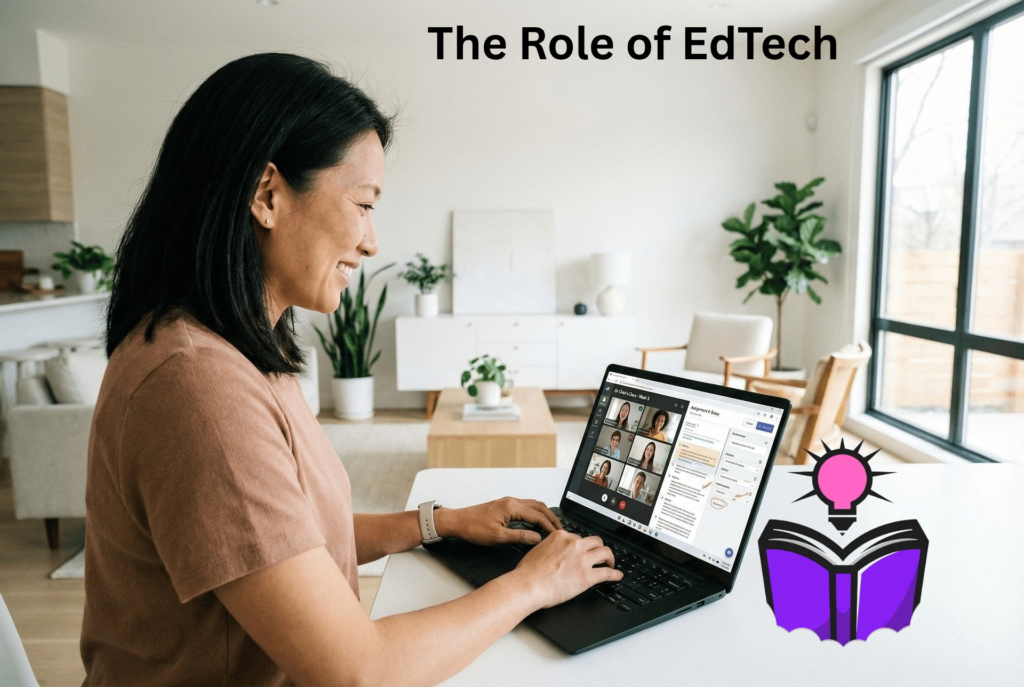
EdTech acts as both a facilitator and an enhancer of collaboration. At its best, it does not replace teachers or human interaction but strengthens them.
Digital tools can help organize group work, track participation, provide shared spaces for idea development, and give students multiple ways to express understanding. They also allow educators to design collaborative experiences that are structured, equitable, and aligned with learning objectives.
In U.S. classrooms, where class sizes, resource availability, and student needs vary widely, EdTech provides flexible solutions that can be adapted across grade levels and subjects.
Creating Collaborative Learning Environments with EdTech
Promoting collaboration through technology requires more than simply introducing digital tools. It involves intentional design, clear expectations, and ongoing support.
Establishing a Strong Digital Foundation
The first step is ensuring that students have access to reliable digital platforms. Learning management systems commonly used in the United States provide centralized spaces where students can communicate, share resources, and work on group projects.
When these platforms are used effectively, they become virtual classrooms that extend learning beyond school hours. Students can collaborate on documents, participate in discussions, and review each other’s work without being physically present in the same space.
Consistency is key. When students regularly use the same tools, they become more comfortable collaborating and less distracted by technical challenges.
Encouraging Meaningful Online Discussions
One of the simplest yet most powerful ways to promote collaborative learning through EdTech is by fostering high-quality online discussions.
Discussion boards, class forums, and digital conversation spaces give every student a voice. In traditional classrooms, outspoken students often dominate discussions, while quieter learners may hesitate to participate. Online discussions level this dynamic, allowing students time to reflect before responding.
To make these discussions meaningful, educators can pose open-ended questions, encourage students to respond to peers rather than just the instructor, and connect discussions to real-world issues relevant to U.S. society and culture. When students see the relevance of a topic, engagement naturally increases.
Using Collaborative Documents for Shared Knowledge Building
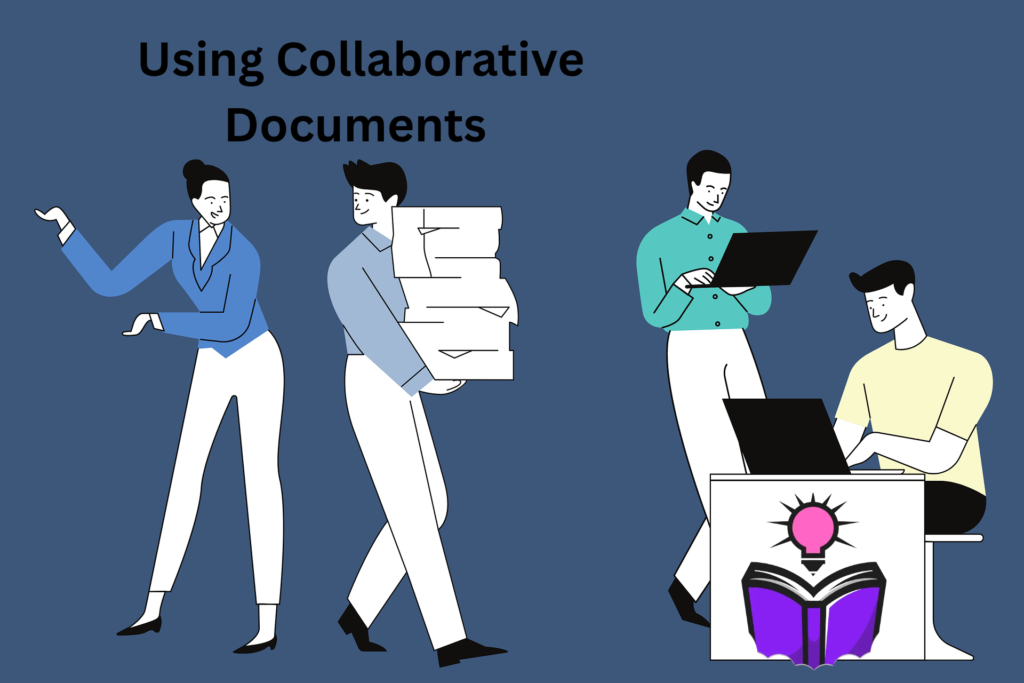
Collaborative documents are a cornerstone of technology-driven group learning. When students work together on shared files, they co-create knowledge in real time.
These tools allow learners to brainstorm ideas, draft essays, analyze data, and revise work collectively. Every contribution is visible, which promotes accountability and transparency. Students can learn from each other’s writing styles, problem-solving approaches, and thought processes.
For educators in the United States, collaborative documents also make assessment more insightful. Teachers can observe how groups work together, identify students who may need additional support, and provide targeted feedback during the learning process—not just at the end.
Promoting Project-Based Learning Through EdTech
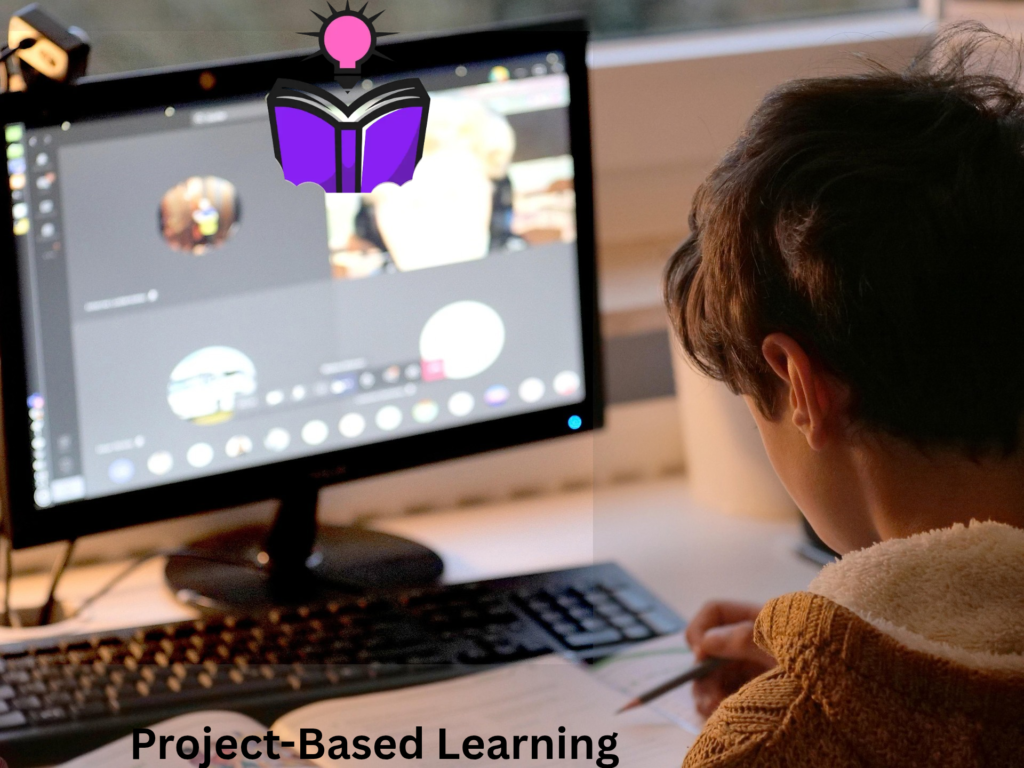
Project-based learning is one of the most effective ways to integrate collaborative learning with technology. In this approach, students work in groups to explore complex questions, solve real-world problems, or create meaningful products.
EdTech supports project-based learning by providing tools for research, communication, planning, and presentation. Students can divide responsibilities, set deadlines, and track progress using digital platforms.
In U.S. classrooms, project-based learning often aligns with curriculum standards that emphasize critical thinking and real-world application. Technology allows projects to be more authentic, whether students are analyzing local community issues, simulating business challenges, or exploring scientific problems with national relevance.
Supporting Remote and Hybrid Collaborative Learning
Remote and hybrid learning models have become a permanent part of the U.S. education landscape. EdTech plays a vital role in ensuring collaboration does not disappear when students are not physically together.
Video conferencing platforms enable face-to-face interaction, breakout discussions, and real-time collaboration. Asynchronous tools allow students in different time zones or with different schedules to contribute meaningfully.
The key is intentional structure. Clear roles, timelines, and expectations help prevent confusion and ensure that all students remain engaged. When used thoughtfully, EdTech can make remote collaboration just as rich as in-person group work.
Enhancing Collaboration Through Multimedia Learning
EdTech allows collaboration to go beyond text-based interaction. Students can work together using videos, audio recordings, digital whiteboards, and interactive presentations.
This multimedia approach supports diverse learning styles and makes collaboration more engaging. Some students may excel at visual explanations, while others express ideas more clearly through speech or design.
For U.S. classrooms that include students from varied cultural and linguistic backgrounds, multimedia collaboration offers inclusive ways to participate and demonstrate understanding.
Building Social and Emotional Skills with EdTech
Collaborative learning is not just about academics; it also supports social and emotional development. Working together helps students build empathy, confidence, and a sense of belonging.
EdTech can support these outcomes by creating safe spaces for interaction, reflection, and peer feedback. Digital collaboration tools allow students to practice respectful communication, give constructive feedback, and celebrate shared successes.
In the United States, where student well-being is an increasing priority, integrating social-emotional learning into collaborative EdTech experiences adds significant value.
The Teacher’s Role in Technology-Driven Collaboration
While EdTech provides the tools, educators provide the direction. Teachers play a critical role in guiding collaborative learning experiences.
This includes setting clear goals, modeling effective collaboration, and intervening when groups struggle. Technology allows teachers to monitor group interactions in real time and offer support without disrupting the learning process.
Professional development is also essential. When educators feel confident using EdTech tools, they are more likely to design creative and effective collaborative activities that keep students engaged.
Overcoming Common Challenges
Despite its benefits, using EdTech for collaborative learning comes with challenges. Unequal access to technology, varying digital literacy levels, and student disengagement can limit effectiveness.
Addressing these challenges requires thoughtful planning. Schools and institutions in the United States can support collaboration by providing device access, offering digital skills training, and choosing user-friendly platforms.
Clear communication and consistent routines also help students feel more comfortable collaborating online. When expectations are transparent, students are more likely to participate actively and responsibly.
Measuring the Impact of Collaborative Learning with EdTech
Evaluating collaborative learning goes beyond grading final products. EdTech allows educators to assess both the process and the outcome of collaboration.
Teachers can review participation data, track revisions, and analyze peer feedback to gain a more complete picture of student learning. This holistic approach supports fair assessment and encourages students to value teamwork as much as individual achievement.
In U.S. education systems that emphasize data-informed instruction, these insights are especially valuable.
The Future of Collaborative Learning in the United States
As technology continues to advance, collaborative learning will become even more dynamic. Artificial intelligence, immersive digital environments, and adaptive learning platforms are already beginning to shape how students interact and learn together.
For the United States, embracing EdTech-driven collaboration means preparing learners not just for exams, but for life in a connected, digital world. Schools, colleges, and training programs that prioritize collaboration will be better positioned to foster innovation, equity, and lifelong learning.
Final Thoughts
Using EdTech to promote collaborative learning is not about adding more technology for its own sake. It is about creating meaningful learning experiences where students connect, think deeply, and grow together.
When used intentionally, EdTech empowers educators, engages students, and transforms collaboration into a powerful driver of academic success and personal development. For learners across the United States, this approach supports not only better educational outcomes but also the skills and confidence needed to thrive in the modern world.