
The Best Ways to Manage Study Stress
Study stress has become an increasingly common challenge for students across the United States. From middle school classrooms to college lecture halls and graduate programs, academic pressure affects millions of learners every year. While a small amount of stress can be motivating, chronic or unmanaged study stress can negatively impact mental health, physical well-being, academic performance, and overall quality of life.
Understanding how to manage study stress effectively is not just about improving grades. It’s about building healthy habits, protecting mental health, and developing life skills that extend far beyond the classroom. This guide explores the best ways to manage study stress using practical, realistic strategies that fit the lifestyle of students in the U.S., whether they’re juggling AP classes, college coursework, part-time jobs, or family responsibilities.

Understanding Study Stress and Why It Happens
Study stress occurs when academic demands feel overwhelming or exceed a student’s perceived ability to cope. In the United States, students often face pressure from multiple directions at once: standardized testing, competitive college admissions, scholarships, internships, social expectations, and financial concerns.
Stress is not always caused by workload alone. It can also stem from fear of failure, perfectionism, lack of organization, unrealistic expectations, or constant comparison with peers. Social media has intensified this by making academic and personal achievements more visible and easier to compare.
When stress becomes constant, it can lead to symptoms such as fatigue, anxiety, irritability, trouble concentrating, sleep issues, and burnout. Recognizing that these reactions are common—and manageable—is the first step toward reducing their impact.
Building a Healthy Mindset Around Studying
One of the most effective ways to manage study stress is by changing how you think about learning and performance. Many students in the U.S. grow up believing that grades define intelligence or future success. This mindset can turn every assignment into a high-stakes event.
Adopting a growth-oriented mindset helps reduce pressure. Instead of viewing mistakes as failures, see them as part of the learning process. Studying becomes less about proving your worth and more about building skills over time. This mental shift alone can significantly lower stress levels.
It’s also important to set realistic expectations. Not every exam will go perfectly, and that’s okay. Academic success is rarely linear, and progress often includes setbacks. Giving yourself permission to be imperfect can relieve a tremendous amount of pressure.

Creating a Study Routine That Actually Works
Lack of structure is a major contributor to study stress. When assignments pile up and deadlines sneak up unexpectedly, stress levels spike. Creating a consistent study routine helps you feel more in control and reduces last-minute panic.
A good routine doesn’t mean studying nonstop. It means scheduling regular, focused study sessions that fit your energy levels. Many students find success by studying at the same time each day, which trains the brain to focus more easily during those hours.
Breaking large tasks into smaller, manageable pieces also reduces overwhelm. Instead of “study for biology exam,” focus on one chapter, one concept, or even one page at a time. Progress feels more achievable, and motivation stays higher.

Managing Time Without Burning Out
Time management is one of the most talked-about stress solutions, but it’s often misunderstood. Managing time effectively doesn’t mean filling every minute with productivity. It means prioritizing tasks in a way that balances academics with rest and personal life.
Students in the U.S. often juggle multiple responsibilities, including part-time jobs, extracurricular activities, and family commitments. A realistic schedule accounts for these obligations rather than ignoring them. Planning study time around existing responsibilities prevents constant feelings of being behind.
Using daily or weekly planning can help you visualize your workload. When tasks are written down, they feel less chaotic and more manageable. Importantly, scheduling breaks and downtime is just as essential as scheduling study sessions. Rest is not wasted time—it’s a requirement for sustained focus.

Reducing Stress Through Effective Study Techniques
How you study matters just as much as how long you study. Inefficient study habits can increase stress without improving results. Passive methods like rereading notes or highlighting textbooks often feel productive but don’t always lead to deep understanding.
Active learning techniques help reduce stress by improving retention and confidence. Explaining concepts in your own words, teaching the material to someone else, or practicing with sample questions makes studying more engaging and effective. When you understand the material better, anxiety naturally decreases.
Spacing out study sessions over time instead of cramming is another powerful stress-reduction strategy. Cramming may seem unavoidable, but it often increases anxiety and decreases long-term retention. Starting earlier—even with short sessions—leads to better outcomes and lower stress.
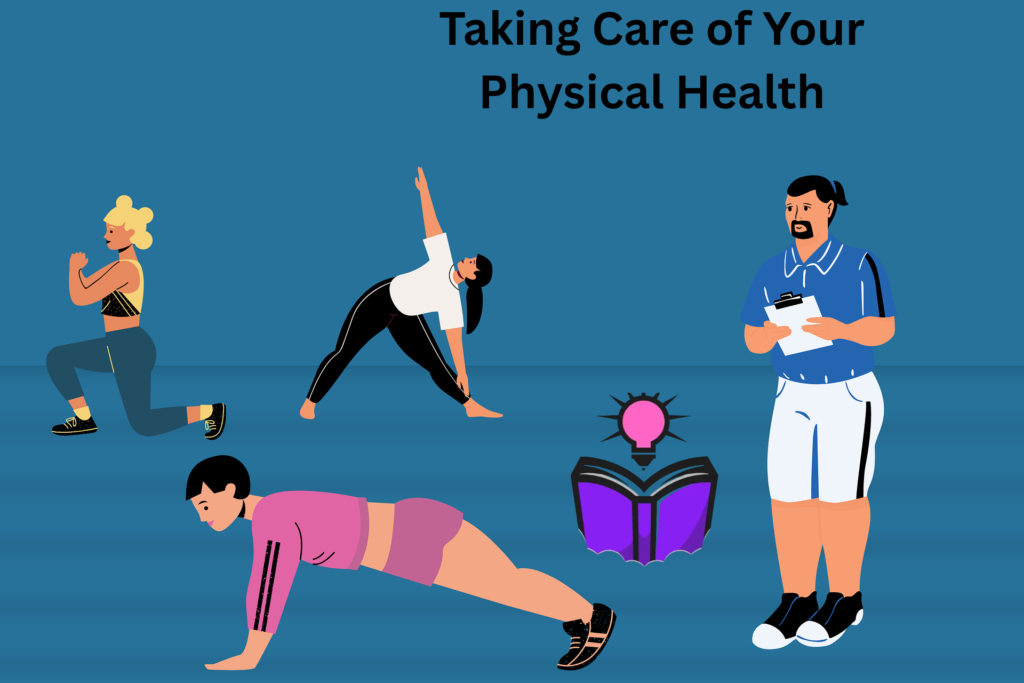
Taking Care of Your Physical Health
Physical health and study stress are closely connected. When the body is exhausted or neglected, the mind struggles to cope with academic pressure. Many students underestimate how much sleep, nutrition, and movement affect stress levels.
Sleep deprivation is especially common among U.S. students and is a major contributor to anxiety and poor concentration. While staying up late to study might feel necessary, it often backfires by reducing memory and focus the next day. Consistent sleep routines support both academic performance and emotional resilience.
Nutrition also plays a role. Skipping meals or relying heavily on caffeine and processed foods can lead to energy crashes and increased irritability. Eating regular, balanced meals helps stabilize mood and concentration throughout the day.
Physical activity doesn’t have to mean intense workouts. Even short walks, stretching, or light exercise can reduce stress hormones and improve focus. Movement provides a mental reset that makes studying feel less draining.
Using Breaks to Recharge, Not Procrastinate
Breaks are essential for managing study stress, but they need to be intentional. Without breaks, mental fatigue builds up quickly, making studying feel overwhelming. With poorly planned breaks, it’s easy to lose momentum and feel guilty for “wasting time.”
Short, regular breaks during study sessions help maintain focus. Stepping away from screens, getting fresh air, or doing something relaxing allows the brain to recover. When you return to studying, you’re often more productive and less stressed.
Longer breaks, such as weekends or evenings off, are equally important. Constant studying without downtime leads to burnout, which is much harder to recover from than short-term stress. Allowing yourself time to enjoy hobbies, social connections, and rest supports long-term academic success.
Managing Test Anxiety and Performance Pressure
Test anxiety is one of the most intense forms of study stress, especially in the United States where standardized exams and high-stakes testing are common. Symptoms can include racing thoughts, physical tension, and difficulty recalling information.
Preparation is the strongest antidote to test anxiety, but mental strategies matter too. Practicing exams under realistic conditions helps reduce fear of the unknown. Familiarity builds confidence and reduces panic during the actual test.
Learning simple relaxation techniques can also help. Slow breathing, grounding exercises, and positive self-talk calm the nervous system. Reminding yourself that one exam does not define your future can ease pressure and improve performance.
Balancing Academics With Personal Life
One major source of study stress is the feeling that academics consume every part of life. When school becomes the sole focus, even small setbacks can feel devastating. Maintaining balance is essential for emotional well-being.
Spending time with friends, family, and supportive peers provides perspective and emotional relief. Social connections remind students that they are more than their grades. For students living away from home, staying connected with loved ones can reduce feelings of isolation.
Pursuing interests outside of school also helps manage stress. Creative outlets, sports, volunteering, or hobbies provide a sense of identity beyond academics. This balance makes academic challenges feel less overwhelming and more manageable.
Knowing When to Ask for Help
Many students struggle in silence, believing they should be able to handle stress on their own. In reality, asking for help is a sign of strength, not weakness. Support systems play a critical role in managing study stress.
Teachers, professors, academic advisors, and school counselors are often willing to help but may not know a student is struggling unless they speak up. Reaching out early can prevent stress from escalating and lead to practical solutions.
Mental health support is also important. Stress that feels constant, intense, or unmanageable may signal the need for professional support. Prioritizing mental health is just as important as prioritizing academic success.
Developing Long-Term Stress Management Skills
Managing study stress isn’t just about surviving the next exam or semester. It’s about developing skills that will be useful throughout life. Time management, self-awareness, emotional regulation, and resilience are valuable beyond the classroom.
Reflecting on what works and what doesn’t helps refine your approach over time. Stress management is not one-size-fits-all. What helps one student may not work for another, and that’s okay. The goal is to build a personalized toolkit that supports both academic goals and well-being.
Learning to manage stress effectively during school years lays the foundation for healthier careers, relationships, and personal growth in the future.
Final Thoughts on Managing Study Stress
Study stress is a normal part of academic life, especially for students in the United States navigating a fast-paced and competitive educational environment. However, stress does not have to control your experience or define your success.
By building a healthy mindset, creating realistic routines, using effective study strategies, prioritizing physical and mental health, and maintaining balance, students can reduce stress and improve both performance and well-being. Managing study stress is not about eliminating challenges—it’s about learning how to face them with confidence and resilience.
With the right tools and support, studying can become less overwhelming and more empowering, helping students reach their goals while maintaining a healthier, more balanced life.