How to Find the Best Free Online Learning Resources in the United States
In today’s digital world, education is no longer confined to classrooms, campuses, or expensive tuition bills. Whether you’re a college student in California, a working professional in Texas, a stay-at-home parent in Ohio, or someone exploring a career change in New York, free online learning resources can open doors to knowledge and opportunity—without costing a dime.
But here’s the challenge: with thousands of websites, apps, videos, and courses available, how do you actually find the best free online learning resources?
In this comprehensive guide, we’ll walk you through exactly how to identify high-quality platforms, avoid low-value content, and build a personalized learning path that works for your goals. By the end, you’ll know where to look, what to evaluate, and how to stay motivated while learning online.
Why Free Online Learning Matters More Than Ever in the U.S.
Education costs in the United States continue to rise. Student loan debt affects millions of Americans, and many adults are seeking new skills to stay competitive in an evolving job market. From tech and healthcare to digital marketing and entrepreneurship, continuous learning is no longer optional—it’s essential.
Free online learning provides:
- Career advancement opportunities
- Skill development for career changes
- Affordable continuing education
- Flexible schedules for busy lifestyles
- Access to top-tier institutions without relocation
The key is knowing how to filter through the noise and focus on credible, effective platforms.
Step 1: Define Your Learning Goal Clearly
Before you search for courses, get specific about what you want to achieve.
Are you:
- Preparing for a promotion?
- Switching careers?
- Learning coding or data analysis?
- Studying for a certification exam?
- Improving soft skills like communication or leadership?
- Exploring a new hobby?
The more specific your goal, the easier it becomes to find relevant resources. For example, “learn technology” is too broad. Instead, try “learn Python for data analysis” or “prepare for CompTIA A+ certification.”
In the United States job market, employers value practical skills. Focus on resources that teach applicable, job-ready knowledge.
Step 2: Look for Reputable and Recognized Platforms
Not all free learning websites are created equal. Some offer structured, university-backed programs, while others provide surface-level information.
Here are some of the most trusted free online learning platforms used widely in the U.S.:
Khan Academy
Khan Academy is one of the most well-known free learning platforms in the United States. It offers courses in math, science, economics, computing, SAT preparation, and more. It’s especially popular among K–12 students and adult learners refreshing foundational skills.
The structured lessons and practice exercises make it ideal if you want guided learning rather than random YouTube videos.
Coursera
While many courses on Coursera are paid, a large number can be audited for free. You can access lectures from universities like Stanford, Yale, and the University of Michigan without paying—though certificates usually cost extra.
If you’re aiming to add credibility to your resume, auditing university-level courses can be a strong move.
edX
Similar to Coursera, edX allows you to audit many courses at no cost. Topics range from computer science to public health. If you’re exploring academic-level content without committing to tuition, this is a powerful option.
MIT OpenCourseWare
MIT OpenCourseWare provides free access to course materials from the Massachusetts Institute of Technology. You won’t earn credit, but you’ll get lecture notes, exams, and reading materials from one of the top universities in the world.
Harvard Online Learning
Harvard offers selected free courses in subjects like computer science, programming, and data science. These can be excellent for career-oriented learners in the U.S.
YouTube
YouTube is often underestimated as a learning tool. From coding tutorials to financial literacy channels, it offers thousands of high-quality educational creators. However, you must carefully evaluate the credibility of the instructor.
Step 3: Evaluate the Quality of the Course
Just because something is free doesn’t mean it’s good. Here’s how to evaluate quality without relying solely on ratings.
First, check who created the course. Is it developed by a university, recognized institution, or experienced professional? Research the instructor’s background.
Second, review the course outline. A well-structured course should clearly list learning objectives, modules, and expected outcomes.
Third, preview the content. Watch the first lecture. Is the audio clear? Is the material organized? Does it match your learning style?
Fourth, check how recently the course was updated. This is especially important for technology, healthcare, finance, and digital marketing topics, where information evolves quickly.
Step 4: Use Public Libraries and U.S.-Based Educational Programs
Many Americans overlook one of the most powerful free learning resources available: their local public library.
Public libraries across the United States often provide free access to premium learning platforms. Through your library card, you may gain access to tools like:
- Online business courses
- Language learning apps
- Test preparation resources
- Digital textbooks
Some libraries also partner with platforms like LinkedIn Learning, giving cardholders free access to professional development courses that normally require a subscription.
Check your city or county library website for digital learning offerings.
Step 5: Take Advantage of Government-Supported Learning Resources
The U.S. government offers several free education and job training resources.
Websites like USA.gov provide links to job training programs, financial aid information, and adult education services. You can also explore career development resources through state workforce development websites.
For those interested in federal employment, USAJOBS offers guidance on required qualifications and skills, which can help you choose what to study.
Step 6: Search Strategically on Google
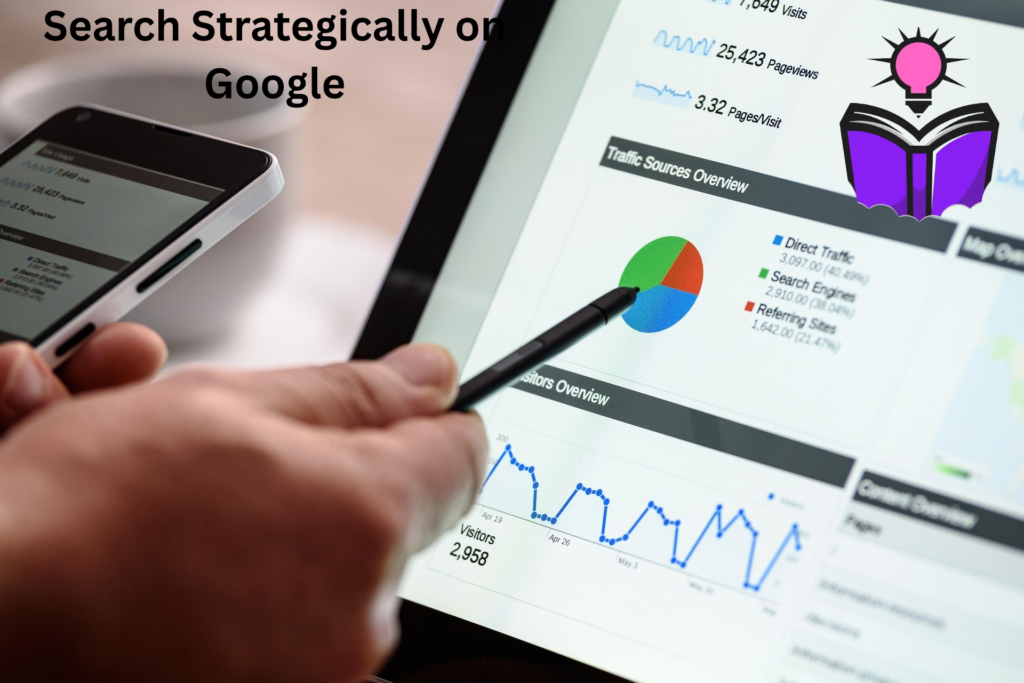
Instead of typing broad searches like “free online courses,” use more targeted search phrases such as:
- “free accredited cybersecurity course United States”
- “free coding bootcamp online USA”
- “audit university course free”
- “free certificate project management course”
Adding terms like “accredited,” “university,” or specific career keywords can significantly improve results.
You can also filter search results by date to find more recent materials.
Step 7: Explore Career-Focused Free Learning
If your goal is career advancement, prioritize courses that align with high-demand industries in the U.S., such as:
- Information Technology
- Healthcare
- Data Science
- Renewable Energy
- Skilled Trades
- Business Analytics
Research job descriptions on platforms like Indeed to identify common skill requirements. Then search for free courses that teach those specific skills.
For example, if multiple job postings require Excel proficiency, search for free advanced Excel courses rather than general business classes.
Step 8: Join Online Communities and Forums
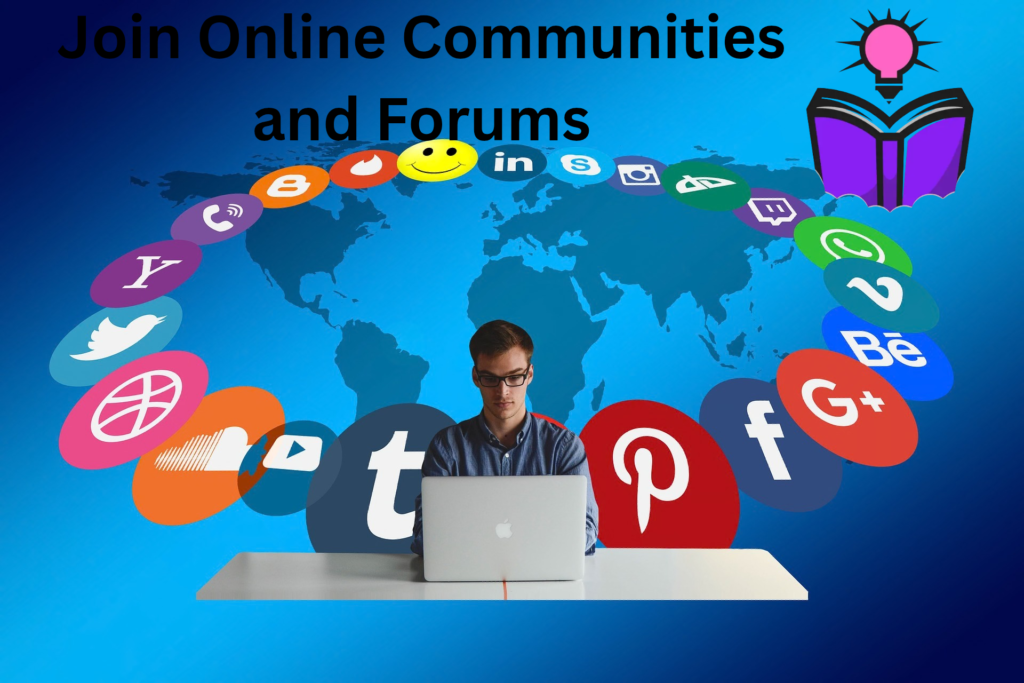
Learning doesn’t have to be isolated. Online communities can help you discover high-quality free resources.
Platforms like Reddit host communities where users share curated course recommendations. Subreddits focused on coding, career advice, or specific industries often contain updated free resource lists.
Engaging in communities allows you to:
- Ask for course recommendations
- Get feedback on learning paths
- Stay accountable
- Discover new opportunities
Step 9: Watch for Free Trial Opportunities
Many paid platforms offer free trials. While this doesn’t make them permanently free, you can strategically use trial periods to complete short courses.
Be mindful of cancellation deadlines and subscription terms.
Step 10: Avoid Common Pitfalls
When searching for free online learning resources in the United States, be cautious of:
- Platforms that require credit card information for “free” access
- Courses promising unrealistic results
- Unverified instructors
- Outdated materials
- Programs lacking structured content
If a course claims you can “make $10,000 in a week with no skills,” that’s a red flag.
Step 11: Create a Personal Learning Plan
Finding good resources is only half the battle. Sticking with them is equally important.
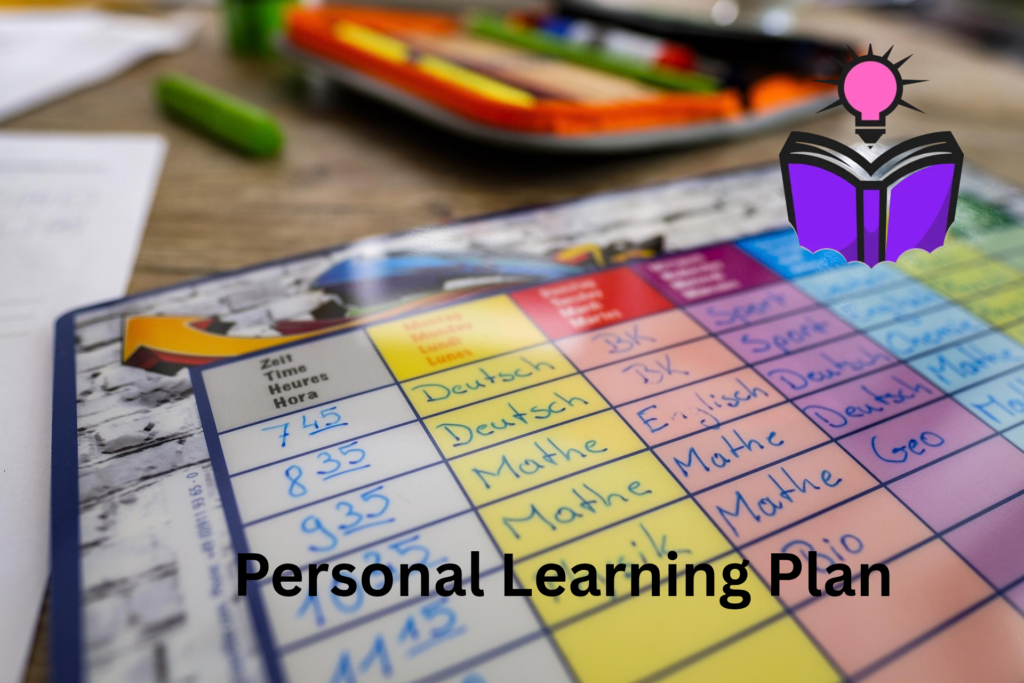
Create a realistic study schedule. Even 30 minutes a day can produce significant progress over time.
Break large topics into manageable milestones. Instead of saying “learn web development,” structure it as:
- HTML basics
- CSS fundamentals
- JavaScript introduction
- Build small projects
- Create portfolio
Tracking your progress helps maintain motivation.
Step 12: Document Your Learning
Even if the course doesn’t provide a certificate, you can still showcase your skills.
Consider:
- Building a portfolio website
- Creating GitHub repositories
- Writing blog posts about what you’ve learned
- Completing hands-on projects
- Volunteering skills for nonprofits
Employers in the United States increasingly value demonstrated ability over formal credentials alone.
Step 13: Combine Multiple Free Resources
No single platform has everything. The best approach often involves combining resources.
For example:
- Use Khan Academy for foundational math
- Take a Coursera course for structured learning
- Watch YouTube tutorials for practical demos
- Practice with free coding challenges online
This layered approach strengthens understanding.
Step 14: Stay Consistent and Motivated
Online learning requires discipline. Without deadlines or professors, it’s easy to quit.
Set weekly goals. Track accomplishments. Celebrate milestones. Join study groups when possible.
Remember why you started—whether it’s financial stability, career growth, personal fulfillment, or lifelong curiosity.
Final Thoughts: The Opportunity Is There
The United States offers more free educational content today than at any point in history. From world-class universities sharing materials online to nonprofit organizations building accessible platforms, the opportunity is enormous.
The key isn’t just finding free resources—it’s finding the right ones for your goals, evaluating them wisely, and committing to consistent progress.
Whether you’re preparing for a new career, strengthening existing skills, or simply exploring a new interest, free online learning can transform your future.
Start with a clear goal. Use reputable platforms. Leverage public libraries and government resources. Stay consistent. And most importantly, take action today.
Your education is no longer limited by cost—it’s powered by access.