How to Make the Most of MOOCs (Massive Open Online Courses)
In today’s fast-changing job market, learning can’t stop at graduation. Whether you’re a recent college graduate in California, a mid-career professional in Texas looking to pivot, or a stay-at-home parent in Ohio reentering the workforce, continuing education is no longer optional—it’s essential. That’s where MOOCs (Massive Open Online Courses) come in.
Platforms like Coursera, edX, Udemy, and FutureLearn have opened the doors to high-quality education from top universities and industry leaders—often at a fraction of the cost of traditional programs. From coding and cybersecurity to business strategy and healthcare management, there’s a MOOC for almost every career goal.
But here’s the reality: enrolling in a MOOC is easy. Finishing it—and actually benefiting from it—is another story.
If you want to truly make the most of MOOCs in the United States job market, this guide will show you how to choose the right courses, stay motivated, apply what you learn, and turn online education into real career growth.
What Are MOOCs and Why Are They So Popular in the U.S.?
MOOCs, or Massive Open Online Courses, are online classes designed for unlimited participation and open access via the internet. They often include video lectures, reading materials, quizzes, peer discussions, and assignments.
In the United States, MOOCs have gained traction for several key reasons:
- Rising college tuition costs
- Increased demand for upskilling and reskilling
- Flexible learning for busy professionals
- Remote work growth and digital transformation
Many American employers now value practical skills as much as—or sometimes more than—traditional degrees. That shift makes MOOCs especially appealing for professionals seeking certifications in areas like data analytics, project management, digital marketing, and cloud computing.
However, access alone doesn’t guarantee success. The key is knowing how to approach MOOCs strategically.
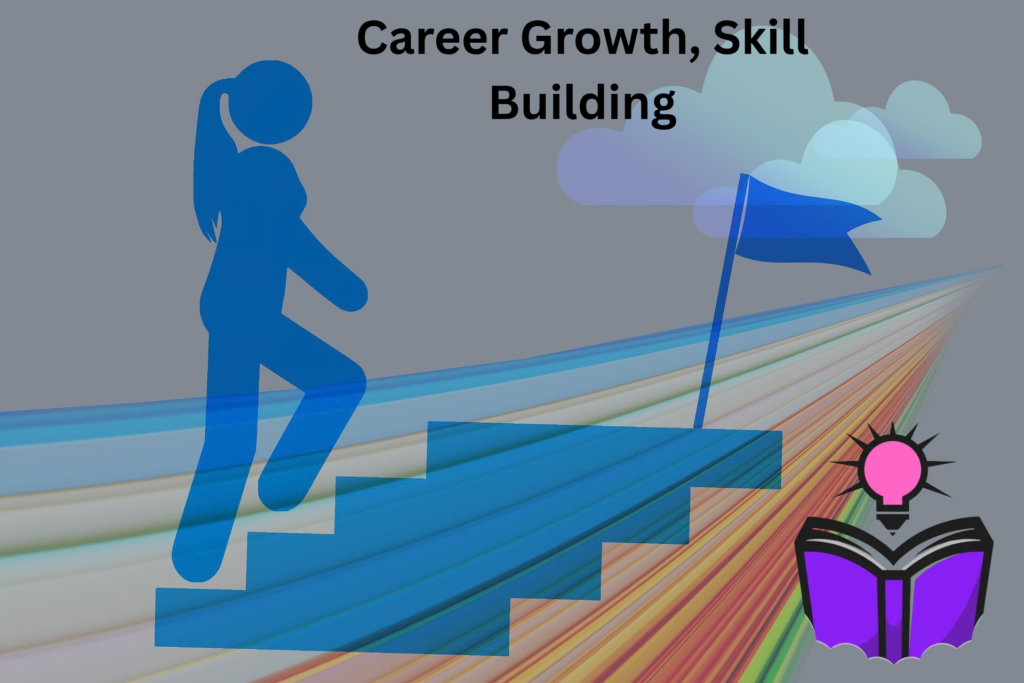
Start With a Clear Goal: Career Growth, Skill Building, or Exploration?
Before signing up for a course, ask yourself why you’re taking it.
Are you trying to:
- Land a promotion?
- Switch careers?
- Increase your salary?
- Explore a new field?
- Build a side hustle?
Without a clear goal, it’s easy to jump from course to course without meaningful progress. For example, if you’re aiming to transition into tech from a non-technical background, enrolling in a beginner-level Python or data analytics course makes more sense than taking random classes in unrelated subjects.
If you’re in the U.S. job market, research current in-demand skills in your industry. Look at job listings on platforms like LinkedIn or Indeed and identify recurring requirements. Then choose MOOCs that directly address those skill gaps.
Treat each course as an investment of your time and energy, not just a free opportunity.
Choose the Right Platform for Your Learning Style
Not all MOOCs are created equal. Different platforms serve different needs.
If you prefer structured programs from universities with verified certificates, platforms like Coursera and edX may be ideal. They often partner with institutions like Stanford, Harvard, and top U.S. state universities.
If you want practical, skill-based, and often shorter courses taught by industry professionals, Udemy offers a wide range of affordable options.
Some platforms focus more on creative and business skills, while others emphasize technical certifications and career pathways. Spend time reading reviews, previewing lessons, and comparing syllabi before enrolling.
Also consider whether you want a self-paced course or one with scheduled deadlines. If you struggle with procrastination, a course with weekly assignments may keep you accountable.

Treat Your MOOC Like a Real College Class
One of the biggest reasons people fail to complete MOOCs is that they treat them casually.
If you want real results, approach your course the way you would a college class. Schedule dedicated study time on your calendar. If you’re working full-time in the U.S., consider blocking off early mornings, lunch breaks, or weekend hours.
Create a distraction-free environment. Turn off notifications. Let family members know when you’re studying.
Take notes by hand or digitally, just as you would in a traditional classroom. Pause videos to reflect. Rewatch complex sections. Don’t just “watch”—engage actively.
When you treat a MOOC as optional entertainment, it becomes easy to quit. When you treat it as professional development, you’re far more likely to finish.
Focus on Completion, Not Just Enrollment
It’s tempting to enroll in multiple courses at once, especially when many are free to audit. But spreading yourself too thin often leads to unfinished programs.
In the U.S., employers value proof of completion and application more than a long list of half-finished courses.
Start with one course at a time. Finish it. Earn the certificate if it aligns with your career goals. Then move on.
Completion builds momentum. Each finished course boosts your confidence and creates a sense of achievement that fuels your next step.
Apply What You Learn Immediately
Information without application fades quickly. To make the most of MOOCs, apply new skills as soon as possible.
If you’re taking a digital marketing course, create a mock campaign for a small business in your community. If you’re learning coding, build a simple website or app. If you’re studying project management, implement those frameworks in your current job.
For U.S. professionals, practical experience is powerful. Hiring managers often care more about what you can do than what you’ve watched.
Create a portfolio showcasing your work. This is especially critical in fields like tech, design, marketing, and data analysis. Even if your project is self-initiated, it demonstrates initiative and applied knowledge.
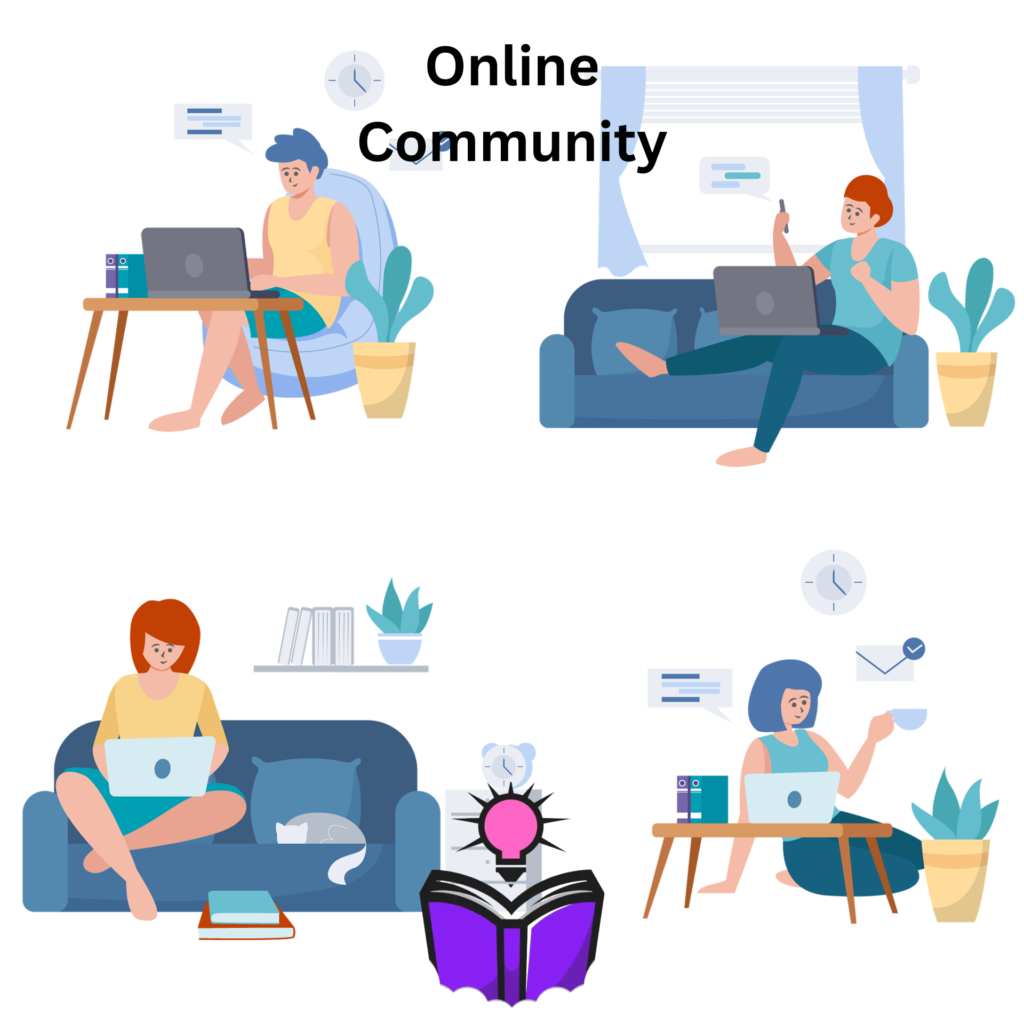
Engage With the Online Community
MOOCs may be online, but they don’t have to be isolating.
Most platforms include discussion boards, peer reviews, and community groups. Participate actively. Ask questions. Share insights. Offer feedback.
Networking is one of the hidden benefits of MOOCs. You may connect with professionals from across the United States—or around the world—who share similar career goals.
In some cases, these connections can lead to job referrals, collaboration opportunities, or even mentorship.
Engagement deepens learning. When you explain a concept to someone else, you reinforce your own understanding.
Add MOOC Certifications Strategically to Your Resume
In the U.S. job market, how you present your MOOCs matters.
Don’t overload your resume with every online course you’ve ever taken. Instead, highlight certifications that are directly relevant to the job you’re applying for.
Create a dedicated section titled “Professional Development” or “Certifications.” Include the course name, platform, and completion date.
If the course is well-recognized—especially one partnered with a major university or corporation—it can enhance credibility. For example, professional certificates from recognized institutions often carry more weight than random, unrelated courses.
Also consider adding completed MOOCs to your LinkedIn profile. Recruiters frequently search for specific skills, and adding certifications improves your visibility.
Build a Learning Roadmap
Random learning leads to random results. Strategic learning builds careers.
Think of MOOCs as building blocks. Map out a sequence of courses that move you from beginner to intermediate to advanced levels.
For example, if you’re transitioning into data analytics in the U.S., your roadmap might look like this:
Start with basic statistics. Move to Excel or SQL. Then study Python or R. Follow with a data visualization course. Finally, complete a capstone project.
A structured roadmap keeps you focused and prevents burnout from jumping between unrelated topics.
Stay Motivated When Life Gets Busy
Balancing work, family, and online learning can be challenging. Many Americans juggle full-time jobs and responsibilities while studying.
To stay motivated:
Remind yourself why you started. Visualize the promotion, salary increase, or career switch you’re working toward.
Break large courses into small milestones. Instead of thinking, “I have 10 weeks left,” focus on completing this week’s module.
Reward yourself when you finish sections. Even small celebrations reinforce consistency.
If you fall behind, don’t quit. Adjust your schedule and keep going. Progress is more important than perfection.
Understand the Limitations of MOOCs
MOOCs are powerful tools, but they are not magic solutions.
They don’t automatically guarantee a job. They don’t replace hands-on experience in every field. And they require self-discipline.
For some industries in the U.S.—such as healthcare or law—formal degrees and licensing remain essential. MOOCs can supplement, but not replace, those pathways.
However, in technology, business, marketing, design, and many emerging fields, MOOCs can significantly accelerate skill development when combined with practice and networking.
Approach them as part of a broader career strategy, not the entire plan.
Use MOOCs to Explore Before You Commit
One of the best uses of MOOCs is career exploration.
Before spending thousands of dollars on a graduate degree, you can test the waters through an introductory online course.
Interested in UX design? Try a beginner class. Curious about cybersecurity? Take an entry-level course first.
This approach is especially valuable in the United States, where higher education costs can be significant. MOOCs allow you to make informed decisions before committing to long-term programs.
Turn Learning Into Income Opportunities
Many Americans use MOOCs not just for career advancement, but to build additional income streams.
If you complete a course in graphic design, you might start freelancing. If you learn about e-commerce, you could launch an online store. If you study coding, you may begin taking small contract projects.
The gig economy in the U.S. continues to grow, and practical skills gained through MOOCs can open doors beyond traditional employment.
Make Lifelong Learning a Habit
The most successful professionals in the United States treat learning as ongoing, not occasional.
Technology evolves. Industries shift. New tools emerge.
Instead of seeing MOOCs as one-time experiences, integrate them into your annual growth plan. Set a goal to complete a certain number of relevant courses each year.
Over time, this consistent learning compounds. The skills you build today can position you for leadership roles tomorrow.
Final Thoughts: Turning MOOCs Into Real Career Growth
MOOCs have transformed access to education. With platforms like Coursera and edX offering courses from top institutions, Americans now have unprecedented opportunities to learn from anywhere.
But access alone isn’t enough.
To truly make the most of MOOCs, you need clear goals, structured planning, disciplined execution, and real-world application. When used strategically, these online courses can help you switch careers, earn promotions, increase income, and stay competitive in an evolving job market.
Your next opportunity may not require going back to a traditional classroom. It may simply require logging in, committing to growth, and taking action.
The knowledge is available. The question is: how will you use it?