
How to Maximize Your Learning Potential in Online Courses
Online learning has transformed the way people gain knowledge and build skills. Whether you are pursuing a professional certification, learning a new hobby, or advancing your career, online courses offer flexibility and accessibility that traditional classrooms often cannot match. However, flexibility also comes with a challenge: staying focused, motivated, and engaged throughout the learning process.
Many learners sign up for online courses with enthusiasm but struggle to complete them or fully absorb the material. The difference between simply enrolling in an online course and truly benefiting from it often lies in how effectively you approach the learning process. When you use the right strategies, online learning can be just as powerful—if not more powerful—than traditional classroom education.
This guide will explore practical and proven ways to maximize your learning potential in online courses. By adopting these strategies, you can stay motivated, retain information better, and achieve meaningful results from your learning experience.

Understanding the Unique Nature of Online Learning
Before diving into specific strategies, it is important to understand why online learning requires a slightly different approach compared to traditional education.
In a physical classroom, schedules, instructors, and peers provide structure and accountability. Online learning, on the other hand, often relies heavily on self-discipline and personal organization. You are responsible for managing your time, maintaining motivation, and actively engaging with the course material.
For learners in the United States, online education has become a popular pathway for career advancement, professional certifications, and lifelong learning. From university degree programs to skill-based platforms, millions of Americans rely on digital learning environments every year.
However, success in online courses depends on more than simply watching videos or reading course materials. It requires intentional effort, active participation, and strategic learning habits.
Set Clear Learning Goals Before You Begin
One of the most effective ways to maximize your learning potential is to define clear goals before starting an online course.
Ask yourself why you are taking the course and what you hope to gain from it. Are you learning a skill for a promotion at work? Are you exploring a new career path? Or are you simply curious about a particular subject?
When your goals are clear, it becomes easier to stay motivated and focused. For example, if your goal is to learn digital marketing to improve your job prospects, every lesson will feel more relevant and purposeful.
Clear goals also help you measure your progress. Instead of passively completing lessons, you can evaluate how each module contributes to your overall objective. This mindset transforms learning from a passive activity into a purposeful journey.
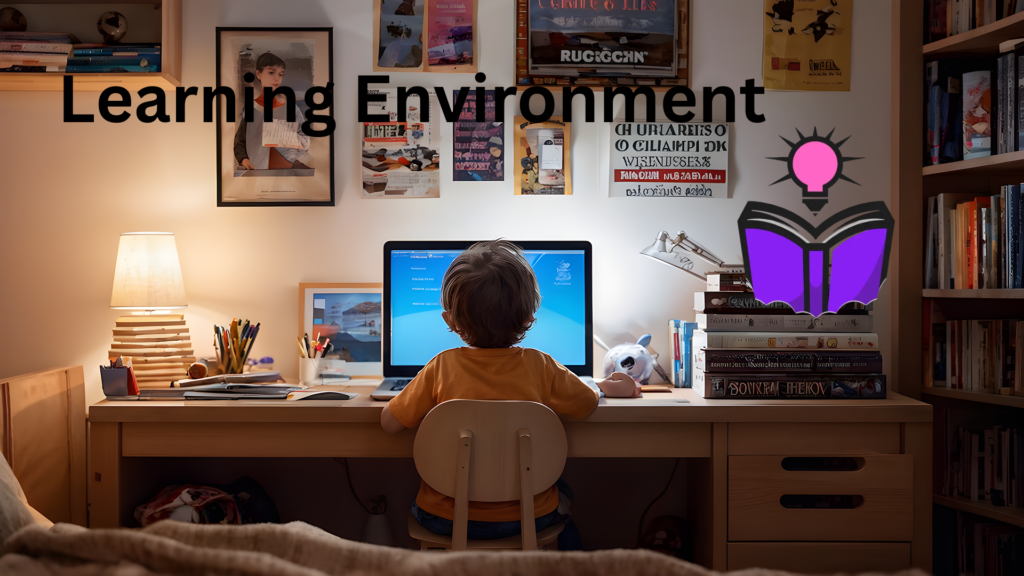
Create a Dedicated Learning Environment
Your physical environment plays a major role in how effectively you learn.
Studying in a noisy or distracting space can reduce concentration and make it harder to retain information. To maximize your learning potential, create a dedicated learning environment where you can focus without interruptions.
Ideally, choose a quiet and comfortable space with good lighting and minimal distractions. This could be a home office, a quiet corner of your living room, or even a local library.
Having a consistent study space also trains your brain to associate that location with learning. Over time, simply sitting in that environment can trigger a focused mindset, making it easier to engage with course materials.
Build a Consistent Study Routine
Consistency is one of the biggest predictors of success in online learning.
Many learners struggle because they approach online courses with a casual mindset. Without a structured routine, lessons get postponed, assignments pile up, and motivation slowly fades.
Instead, treat your online course like a scheduled commitment. Set specific days and times for studying each week. Even dedicating one hour a day can lead to significant progress over time.
A routine helps build momentum. Once studying becomes part of your weekly schedule, it no longer feels like a task you have to force yourself to do. Instead, it becomes a natural part of your daily rhythm.
Actively Engage With the Course Material
Watching videos or reading lessons alone is rarely enough to fully understand and retain information. Active engagement is essential for effective learning.
Engagement means interacting with the material rather than simply consuming it. Take notes while watching lectures, pause videos to reflect on key ideas, and write down questions that arise during the lesson.
If the course includes quizzes, assignments, or discussion boards, participate actively. These activities reinforce learning by encouraging you to apply concepts rather than just observe them.
The more actively you interact with the material, the stronger your understanding becomes.
Use the Power of Note-Taking
Note-taking remains one of the most powerful learning tools available.
Writing down key ideas helps reinforce memory and improves comprehension. Instead of trying to capture every word, focus on summarizing concepts in your own language. This process forces your brain to interpret and process the information more deeply.
Digital note-taking tools, notebooks, or even mind maps can be effective depending on your personal learning style. Some learners prefer structured outlines, while others benefit from visual diagrams that connect ideas.
Reviewing your notes regularly also strengthens long-term retention. A quick review session at the end of each study day can significantly improve how much information you remember later.
Minimize Digital Distractions
Ironically, the same devices used for online learning can also become major sources of distraction.
Social media notifications, emails, and messaging apps can interrupt your focus and break your concentration. Even a short distraction can reduce learning efficiency and make it harder to return to the lesson.
To maintain focus, consider turning off notifications during study sessions or using apps that block distracting websites temporarily. Some learners also benefit from using the “focus mode” available on many smartphones and computers.
By controlling digital distractions, you create an environment where your attention remains fully on the learning experience.
Apply What You Learn Immediately
One of the best ways to strengthen learning is through application.
When you apply new knowledge to real-world situations, it becomes easier to understand and remember. Instead of waiting until the end of a course to use your new skills, start applying them as soon as possible.
For example, if you are taking a programming course, try building small projects after each lesson. If you are studying marketing strategies, experiment with those strategies in a personal blog or small business project.
Application transforms theoretical knowledge into practical expertise. It also increases confidence because you can see the direct results of your learning efforts.
Participate in Online Learning Communities
Online courses often include forums, discussion groups, or social communities where learners can interact with each other.
Participating in these communities can significantly enhance your learning experience. When you ask questions, share insights, or discuss topics with others, you gain new perspectives and deepen your understanding.
Learning from peers can also introduce ideas that were not covered in the course material. In many cases, fellow learners may share tips, resources, or experiences that help clarify complex topics.
Additionally, being part of a learning community creates a sense of accountability and motivation. When others are progressing alongside you, it becomes easier to stay committed to completing the course.
Break Lessons Into Manageable Segments
Long study sessions can sometimes lead to mental fatigue and reduced concentration.
Instead of trying to complete multiple lessons in one sitting, break your study sessions into smaller segments. This approach allows your brain to process information more effectively and reduces the risk of burnout.
Many successful learners use techniques like focused study intervals followed by short breaks. These breaks help refresh the mind and maintain high levels of concentration throughout the learning session.
Short, focused learning sessions often produce better results than long, exhausting study marathons.
Track Your Progress and Celebrate Milestones
Progress tracking can be a powerful motivator during online learning.
Many platforms include built-in progress indicators that show how much of the course you have completed. Watching your progress increase over time can create a strong sense of accomplishment.
In addition to tracking course completion, consider setting personal milestones. For example, completing a module, mastering a new skill, or finishing a major assignment can all serve as meaningful achievements.
Celebrating these milestones reinforces positive learning habits and keeps motivation high throughout the course.
Review and Reinforce What You Learn
Learning does not end when a lesson is completed.
To truly maximize your learning potential, it is important to review and reinforce the material regularly. Revisiting previous lessons strengthens memory and helps connect different concepts across the course.
Periodic reviews also allow you to identify areas where your understanding may still be unclear. This gives you the opportunity to revisit those lessons and improve your comprehension before moving forward.
Over time, consistent review transforms new information into long-term knowledge.
Stay Curious and Maintain a Growth Mindset
Online learning is most effective when driven by curiosity.
Instead of viewing the course as something you simply need to finish, approach it as an opportunity to explore and expand your understanding. Ask questions, research related topics, and challenge yourself to think deeper about the subject.
A growth mindset is equally important. Some lessons may feel difficult or confusing at first, but challenges are a natural part of the learning process. Persistence and curiosity often lead to breakthroughs that significantly strengthen your skills.
When you embrace learning as a continuous journey rather than a single task, your ability to absorb knowledge improves dramatically.
Maintain Balance to Avoid Burnout
While dedication is important, balance is equally essential.
Studying for long hours without rest can lead to burnout and reduced productivity. To sustain long-term learning success, maintain a healthy balance between study time, work responsibilities, and personal activities.
Regular exercise, proper sleep, and short breaks during study sessions all contribute to better focus and mental clarity. A balanced lifestyle supports the cognitive processes that make learning possible.
When your mind and body are well-rested, your ability to absorb and apply new knowledge increases significantly.
Turning Online Learning Into Long-Term Success
Online courses offer a powerful opportunity for personal and professional growth. For learners across the United States, digital education provides access to world-class knowledge without geographical limitations.
However, the true value of online learning depends on how effectively you engage with the experience. By setting clear goals, building consistent routines, actively participating in lessons, and applying knowledge in real-world situations, you can transform online courses into meaningful learning achievements.
The key is intentional learning. When you approach online education with focus, curiosity, and discipline, every course becomes an opportunity to expand your skills and unlock new possibilities.
In a world where knowledge evolves rapidly, the ability to learn effectively online is more than just a convenient skill—it is a powerful advantage. By maximizing your learning potential today, you invest in a future filled with growth, opportunity, and continuous discovery.