How the Changing Job Market is Shaping Education Curricula
The modern job market is evolving at a pace few people could have predicted a decade ago. Technological advancements, globalization, automation, and shifting economic priorities are transforming the kinds of skills employers seek. As a result, educational institutions across the United States are rethinking how they design curricula to prepare students for the workforce.
Traditional education models once focused primarily on foundational knowledge and theory. While those elements remain important, they are no longer enough on their own. Today’s employers expect graduates to possess a blend of technical expertise, adaptability, problem-solving abilities, and practical experience. This shift has sparked significant changes in how schools, colleges, and universities approach teaching and learning.
Understanding how the changing job market is shaping education curricula is essential for students, parents, educators, and policymakers. The future of work is directly influencing what and how students learn.

The Rapid Evolution of the Job Market
The job market in the United States has undergone dramatic changes in recent years. Industries that once dominated employment opportunities have transformed, while entirely new sectors have emerged. Advances in artificial intelligence, cloud computing, biotechnology, renewable energy, and digital services are reshaping the economy.
Many jobs that existed twenty years ago have either disappeared or evolved significantly. At the same time, employers are creating new roles that require skills that were not previously taught in traditional classrooms. Data analysis, cybersecurity, digital marketing, and machine learning are now highly sought-after competencies across multiple industries.
Automation is also changing the nature of work. While machines and software are taking over repetitive tasks, human workers are increasingly valued for their creativity, critical thinking, emotional intelligence, and ability to collaborate.
These shifts are forcing educators to rethink traditional curriculum structures. Schools are beginning to realize that preparing students for jobs that may not yet exist requires a more flexible and forward-thinking approach to education.
Why Traditional Curricula Are No Longer Enough
For decades, education systems followed relatively stable curriculum models. Students progressed through standard subjects such as mathematics, science, literature, and history, eventually specializing in a particular discipline in college.
However, the modern job market demands more than subject knowledge alone. Employers increasingly emphasize skills that allow workers to adapt to changing technologies and workplace environments.
Graduates today often enter industries where tools, platforms, and best practices evolve rapidly. A professional working in technology, marketing, healthcare, or finance may need to continuously learn new tools and strategies throughout their career.
This reality has exposed a gap between traditional academic programs and real-world workforce needs. Employers frequently report that graduates lack practical experience or specific industry skills, even if they possess strong academic credentials.
In response, educational institutions are redesigning curricula to emphasize applied learning, interdisciplinary studies, and career readiness.
The Rise of Skills-Based Education
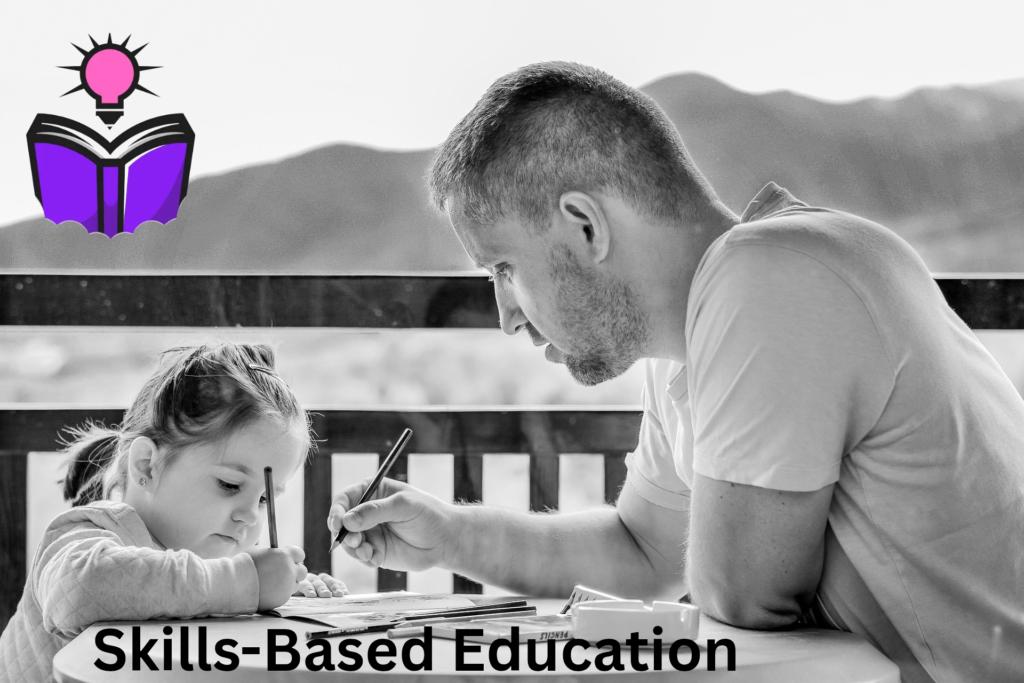
One of the most significant shifts in education is the move toward skills-based learning. Rather than focusing solely on theoretical knowledge, modern curricula emphasize practical abilities that can be applied directly in the workplace.
Skills-based education includes both technical competencies and soft skills. Technical skills might involve programming, data analysis, engineering design, healthcare procedures, or financial modeling. Soft skills include communication, teamwork, leadership, adaptability, and critical thinking.
Employers consistently rank soft skills among the most valuable qualities in employees. While technology can automate many tasks, it cannot easily replicate human judgment, empathy, and collaboration.
Educational institutions are incorporating project-based learning, case studies, and real-world simulations to help students develop these abilities. Students may work on group projects that mimic real workplace scenarios, allowing them to practice communication, decision-making, and problem-solving.
This shift toward skills-based learning ensures that graduates are not only knowledgeable but also capable of applying their knowledge in practical settings.
Integration of Technology in Education
Technology has become a central component of modern education curricula. Digital literacy is no longer optional; it is a fundamental requirement for success in most careers.
Schools and universities are integrating technology across nearly every subject area. Students use data visualization tools in statistics classes, coding platforms in computer science courses, and digital collaboration tools for group assignments.
Online learning platforms and virtual classrooms have also expanded access to education. Students can now learn new skills through digital modules, interactive simulations, and remote instruction.
Many institutions are incorporating coding, data analysis, and digital problem-solving into curricula even for non-technical majors. For example, business students may learn analytics tools, while journalism students may study multimedia storytelling and digital content production.
This integration of technology ensures that graduates are comfortable working with modern tools and digital environments.
Industry Partnerships and Curriculum Development
Another important trend shaping education curricula is collaboration between educational institutions and industry leaders. Colleges and universities increasingly partner with companies to design programs that align with real workforce needs.
These partnerships can take many forms. Employers may help develop course content, provide guest lectures, offer internship opportunities, or sponsor research initiatives. In some cases, companies work directly with universities to create specialized training programs.
Industry partnerships provide valuable insights into emerging skill requirements. When employers participate in curriculum design, educational programs can stay current with evolving industry standards.
Students also benefit from direct exposure to professionals working in their chosen fields. Internships, mentorship programs, and cooperative education models allow students to gain hands-on experience before graduation.
These real-world connections make graduates more competitive in the job market and reduce the gap between academic learning and professional practice.
The Growing Importance of Interdisciplinary Learning
Modern careers often require knowledge from multiple disciplines. A healthcare professional may need data analysis skills, while a marketing specialist might require an understanding of psychology, design, and analytics.
As a result, many educational institutions are adopting interdisciplinary curricula. Instead of studying subjects in isolation, students learn how different fields intersect and influence one another.
Programs that combine business and technology, science and policy, or design and engineering are becoming increasingly popular. These hybrid degrees prepare students for complex roles that require diverse skill sets.
Interdisciplinary learning also encourages creativity and innovation. When students approach problems from multiple perspectives, they are more likely to develop unique solutions.
In a rapidly changing job market, the ability to connect ideas across disciplines is a powerful advantage.
The Role of Experiential Learning
Experiential learning has become a cornerstone of modern education. Rather than relying solely on lectures and textbooks, institutions are incorporating hands-on experiences that mirror real-world challenges.
Experiential learning can include internships, apprenticeships, research projects, community engagement initiatives, and simulation-based training. These experiences allow students to apply theoretical knowledge in practical situations.
For example, engineering students might work on designing prototypes, while business students may develop marketing strategies for local organizations. Healthcare students often participate in clinical rotations to gain experience in real medical environments.
This type of learning helps students build confidence and develop professional skills before entering the workforce. Employers value candidates who have already demonstrated their ability to work in real-world contexts.
Emphasis on Lifelong Learning
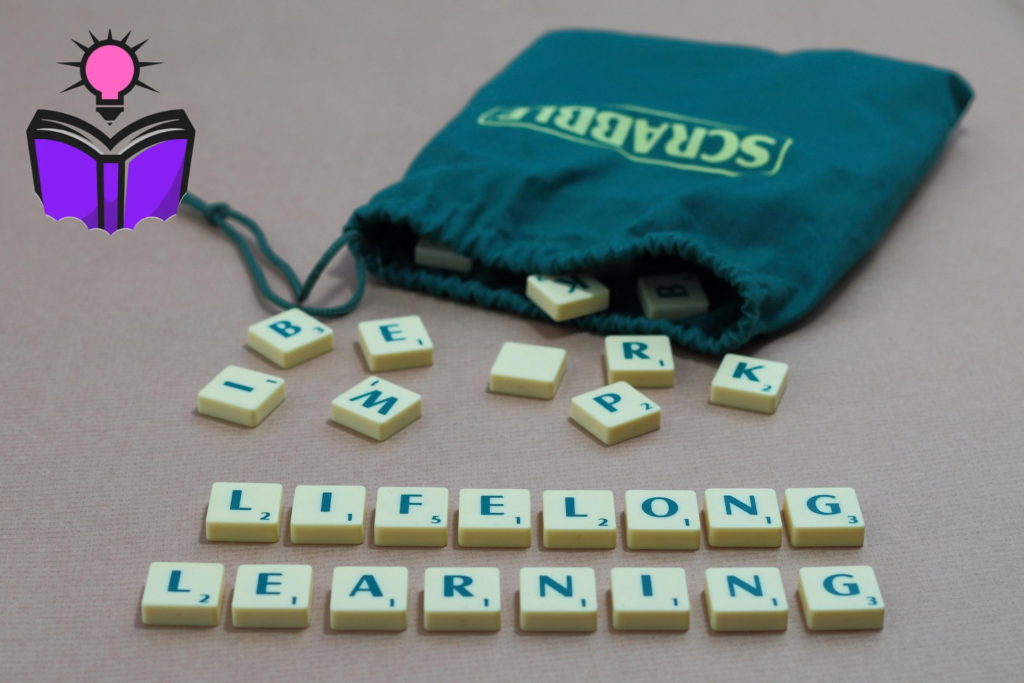
Another major shift in education is the recognition that learning does not end after graduation. The rapid pace of technological change means that workers must continuously update their skills throughout their careers.
Educational institutions are increasingly offering flexible learning options for adult learners and working professionals. Short-term certifications, online courses, and professional development programs allow individuals to acquire new skills without committing to a full degree program.
Micro-credentials and digital certificates are gaining popularity as employers recognize them as evidence of specific competencies. These programs allow workers to quickly adapt to evolving industry requirements.
Lifelong learning is becoming a critical component of career success. The modern workforce must remain adaptable and open to continuous education.
The Impact of Remote Work and Globalization
The rise of remote work has also influenced how education curricula are designed. Many professionals now collaborate with colleagues across different cities, states, and even countries.
As a result, educational programs are placing greater emphasis on digital communication, virtual collaboration, and cross-cultural awareness. Students must learn how to work effectively in distributed teams using digital tools.
Globalization has also increased competition in the job market. American graduates are often competing with skilled professionals from around the world. To remain competitive, students must develop specialized skills and global perspectives.
Educational institutions are responding by incorporating international case studies, language learning opportunities, and global business concepts into their curricula.
The Importance of Career Readiness Programs
Career readiness has become a major focus for educational institutions in the United States. Schools are expanding career services, mentorship programs, and professional development workshops to help students transition into the workforce.
Students are increasingly encouraged to build portfolios that demonstrate their abilities. Instead of relying solely on transcripts, graduates can showcase projects, research work, internships, and practical achievements.
Resume writing, interview preparation, networking strategies, and personal branding are also becoming part of the educational experience.
By preparing students for the job search process, institutions help ensure that graduates can effectively translate their academic experiences into career opportunities.
Challenges in Aligning Education with the Job Market
While many positive changes are occurring, aligning education with the job market is not without challenges. The pace of technological innovation often outstrips the speed at which institutions can update curricula.
Universities must balance teaching foundational knowledge with addressing rapidly changing industry needs. If programs focus too heavily on current technologies, they risk becoming outdated quickly.
Funding constraints, accreditation requirements, and faculty training also influence how quickly institutions can implement curriculum changes.
Despite these challenges, the overall trend is clear. Education systems are gradually adapting to meet the demands of the modern workforce.
The Future of Education and Work
Looking ahead, the relationship between education and the job market will continue to evolve. Emerging technologies such as artificial intelligence, robotics, and advanced data systems will likely create entirely new industries and career paths.
Education systems must remain flexible and forward-looking. Instead of preparing students for a single career path, institutions are increasingly focused on developing adaptable learners who can navigate multiple career transitions.
Critical thinking, creativity, ethical decision-making, and collaboration will remain essential skills regardless of technological advancements.
At the same time, technology will continue to enhance educational delivery methods. Personalized learning platforms, immersive simulations, and AI-powered tutoring systems may become standard features in future classrooms.
Conclusion
The changing job market is reshaping education curricula in profound ways. As industries evolve and new technologies emerge, educational institutions must continually adapt to ensure that students are prepared for the realities of modern work.
The shift toward skills-based education, interdisciplinary learning, technology integration, and experiential learning reflects a broader recognition that traditional models are no longer sufficient on their own.
Students today need more than academic knowledge. They must develop practical abilities, digital literacy, adaptability, and a commitment to lifelong learning.
By aligning education with the needs of the modern workforce, schools and universities can help students build meaningful careers while supporting economic growth and innovation across the United States.
The connection between education and employment has never been more important. As the job market continues to evolve, education will remain one of the most powerful tools for preparing individuals to succeed in an increasingly dynamic world.