How the Rise of Coding Education is Shaping the Future
In recent years, coding has transformed from a niche technical skill into a foundational literacy for the modern world. Across the United States, classrooms, online platforms, and corporate training programs are embracing coding education as an essential component of learning. This shift is not just about creating more software developers—it is fundamentally reshaping how individuals think, solve problems, and interact with technology. As coding education continues to expand, its impact is being felt across industries, economies, and everyday life.
The Growing Importance of Coding in a Digital Economy
The United States economy is increasingly driven by technology. From healthcare and finance to entertainment and transportation, nearly every sector relies on software and digital systems. As a result, coding has become one of the most valuable skills in the job market.
Employers are no longer looking exclusively for traditional programmers. Instead, they value employees who can understand, communicate with, and even build digital tools. Coding knowledge enhances productivity, fosters innovation, and enables workers to adapt to rapidly changing technologies.
This demand has created a strong incentive for educational institutions to integrate coding into their curricula. Schools are recognizing that teaching students how to code is not just about preparing them for tech careers—it’s about equipping them for a future where digital literacy is as essential as reading and math.
Coding as the New Literacy
In the past, literacy referred to the ability to read and write. Today, many educators argue that coding represents a new form of literacy. It allows individuals to understand the language of computers and participate actively in the digital world rather than just consuming it.
Learning to code teaches more than syntax and programming languages. It develops computational thinking—a problem-solving approach that involves breaking complex problems into smaller, manageable parts. This skill is applicable far beyond technology, influencing how people approach challenges in business, science, and everyday life.
As coding education becomes more widespread, students are gaining the ability to create rather than just consume digital content. They can build websites, design apps, and automate tasks, empowering them to turn ideas into reality.
Early Exposure in K-12 Education
One of the most significant trends in the United States is the introduction of coding at an early age. Elementary and middle schools are increasingly incorporating coding into their curricula through interactive tools, games, and hands-on projects.
This early exposure has several benefits. First, it helps demystify technology. Children who learn coding at a young age see computers as tools they can control, not just devices they use. This fosters confidence and curiosity.
Second, it helps bridge the digital skills gap. By providing access to coding education in public schools, more students—regardless of socioeconomic background—have the opportunity to develop valuable skills.
Finally, early coding education encourages creativity. Students are not just learning how to follow instructions; they are designing their own games, animations, and applications. This blend of creativity and logic is a powerful combination that prepares them for future innovation.

The Role of Online Learning Platforms
The rise of online education has played a crucial role in expanding access to coding education. Platforms offering coding courses have made it possible for anyone with an internet connection to learn programming skills at their own pace.
For adults in the United States, this has opened up new opportunities for career advancement and career changes. Many individuals are transitioning into tech roles without traditional computer science degrees, thanks to online courses and coding bootcamps.
These platforms often emphasize practical, project-based learning. Instead of focusing solely on theory, learners build real-world applications, which enhances their understanding and makes them more job-ready.
Online coding education is also flexible, allowing learners to balance their studies with work and personal responsibilities. This accessibility is a key factor in the rapid growth of coding education.

Coding Bootcamps and Career Transitions
Coding bootcamps have emerged as a popular alternative to traditional education. These intensive programs are designed to teach practical programming skills in a short period, often ranging from a few weeks to several months.
In the United States, bootcamps have become a pathway for individuals seeking to enter the tech industry quickly. They focus on in-demand skills such as web development, data analysis, and software engineering.
One of the most significant impacts of bootcamps is their role in career transitions. Professionals from diverse backgrounds—such as marketing, finance, and healthcare—are leveraging coding education to move into tech roles. This not only benefits individuals but also enriches the tech industry with diverse perspectives.
While bootcamps require dedication and effort, they demonstrate how coding education is becoming more flexible and accessible, breaking down traditional barriers to entry.
Closing the Skills Gap
The United States faces a persistent skills gap in the technology sector. There are more job openings than qualified candidates, particularly in areas like software development, cybersecurity, and data science.
Coding education is a critical solution to this problem. By equipping more people with programming skills, educational initiatives are helping to fill these gaps and support economic growth.
Government programs, nonprofit organizations, and private companies are investing in coding education to address workforce shortages. These efforts aim to create a pipeline of skilled workers who can meet the demands of the digital economy.
At the same time, coding education is helping individuals achieve economic mobility. High-paying tech jobs are becoming accessible to a broader range of people, reducing income inequality and expanding opportunities.
Diversity and Inclusion in Tech
Another important aspect of the rise of coding education is its potential to improve diversity and inclusion in the technology industry. Historically, tech has been dominated by certain demographics, but coding education initiatives are working to change that.
Programs targeting underrepresented groups—such as women, minorities, and low-income communities—are helping to create a more inclusive tech workforce. By providing access to coding education, these initiatives empower individuals who may not have had traditional opportunities to enter the field.
Diversity in tech is not just a social goal; it also drives innovation. Different perspectives lead to better problem-solving and more inclusive products. As coding education becomes more widespread, it has the potential to reshape the tech industry in meaningful ways.
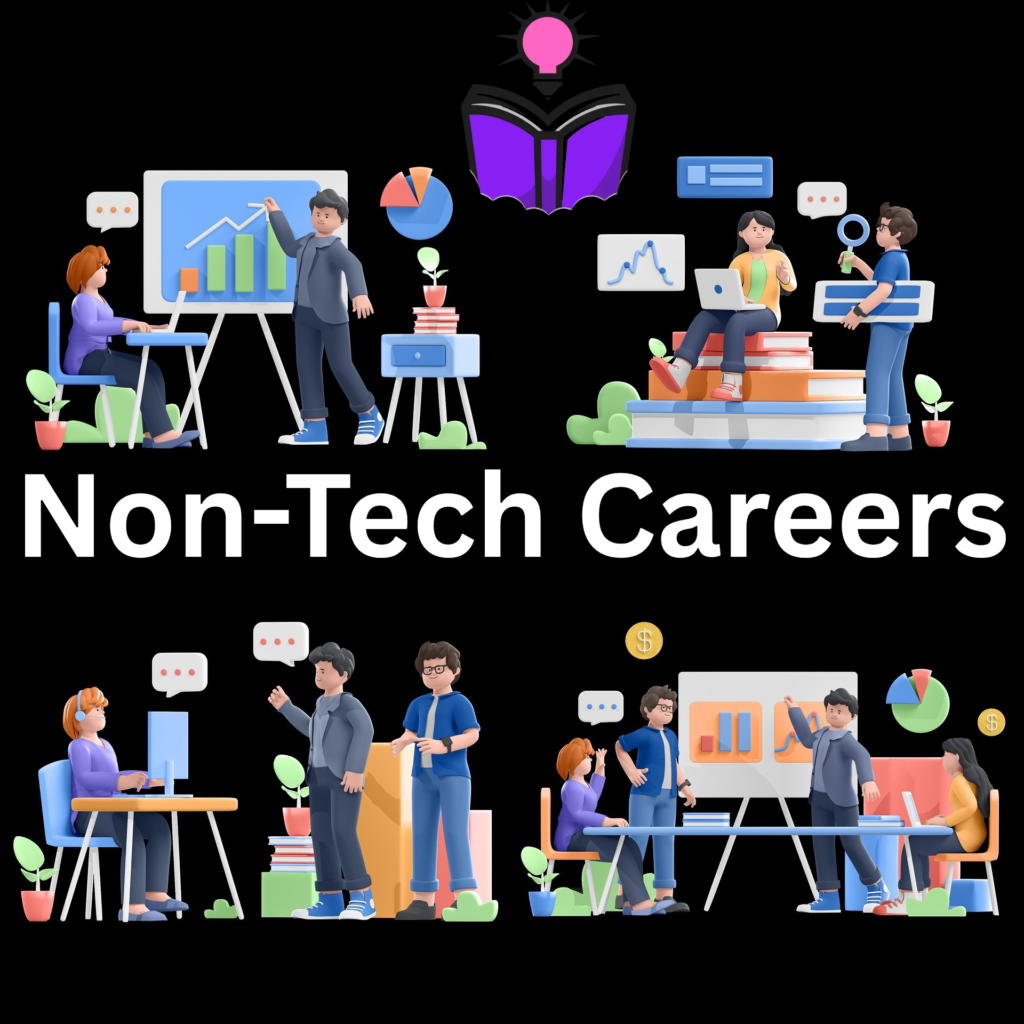
The Impact on Non-Tech Careers
Coding education is not limited to those pursuing careers in technology. It is increasingly relevant in non-tech fields as well.
In healthcare, coding skills can be used to analyze patient data and improve outcomes. In finance, they enable professionals to develop algorithms for trading and risk management. In marketing, coding helps in data analysis and automation.
Even in creative fields like design and media, coding is becoming a valuable skill. It allows professionals to build interactive experiences and work more effectively with developers.
As a result, coding education is expanding beyond traditional boundaries, becoming a versatile skill that enhances performance in a wide range of careers.
Innovation and Entrepreneurship
Coding education is fueling innovation and entrepreneurship across the United States. With the ability to build digital products, individuals are launching startups, creating apps, and developing new solutions to everyday problems.
Entrepreneurs no longer need large teams or significant funding to bring their ideas to life. With coding skills, they can create prototypes, test concepts, and iterate quickly.
This democratization of innovation is leading to a surge in creativity and new business ventures. It is also fostering a culture of problem-solving, where individuals are empowered to address challenges through technology.
Coding education is not just producing employees; it is creating creators and innovators who are shaping the future of industries.
The Role of Artificial Intelligence and Automation
As artificial intelligence and automation continue to advance, coding education is becoming even more critical. Understanding how these technologies work allows individuals to adapt and thrive in a changing job market.
While automation may replace certain tasks, it also creates new opportunities. Coding skills enable individuals to work alongside intelligent systems, develop AI applications, and contribute to technological advancements.
Moreover, coding education helps people understand the ethical and societal implications of these technologies. This awareness is essential for ensuring that innovation benefits society as a whole.
By preparing individuals for a future shaped by AI, coding education is playing a key role in shaping the workforce of tomorrow.

Challenges and Considerations
Despite its many benefits, the rise of coding education also presents challenges. One concern is ensuring the quality of education. With so many programs available, it can be difficult for learners to identify reputable and effective options.
Another challenge is keeping curricula up to date. Technology evolves rapidly, and educational programs must continuously adapt to remain relevant.
Access is also an issue. While online platforms have expanded opportunities, not everyone has equal access to technology and internet connectivity. Addressing these disparities is essential for ensuring that coding education is truly inclusive.
Finally, there is the question of balance. While coding is important, it should not overshadow other critical skills such as communication, creativity, and critical thinking. A well-rounded education is key to long-term success.
The Future of Coding Education
Looking ahead, coding education is expected to continue evolving. Emerging trends include personalized learning, where courses adapt to individual needs and learning styles, and the integration of coding with other subjects such as science, art, and business.
There is also a growing emphasis on lifelong learning. As technology continues to change, individuals will need to continuously update their skills. Coding education will play a central role in this ongoing process.
In the United States, collaboration between schools, businesses, and government organizations will be crucial. By working together, these stakeholders can create a robust ecosystem that supports coding education at all levels.
Conclusion
The rise of coding education is one of the most significant educational and economic trends of our time. In the United States, it is transforming how people learn, work, and innovate.
By making coding more accessible, education systems are empowering individuals with the skills needed to succeed in a digital world. From early education to career transitions, coding is opening doors and creating opportunities.
As technology continues to shape the future, coding education will remain at the forefront of this transformation. It is not just about writing code—it is about understanding the world we live in and having the ability to shape it.
For students, professionals, and entrepreneurs alike, coding education represents a pathway to growth, creativity, and success. And as its influence continues to expand, it will play a defining role in shaping the future of society.