How to Overcome Challenges in Online Learning (A Complete Guide for U.S. Learners)
Online learning has transformed education across the United States. From college students attending virtual lectures to professionals upgrading their skills through digital courses, learning from home has become the new normal. While it offers flexibility and accessibility, it also comes with its own set of challenges that can make the experience frustrating or ineffective if not handled properly.
If you’ve ever struggled to stay focused during an online class, felt disconnected from instructors, or found it hard to manage your time, you’re not alone. The good news is that these obstacles are manageable. With the right strategies and mindset, online learning can be just as effective—if not more so—than traditional classroom education.
This guide explores the most common challenges in online learning and provides practical, actionable solutions tailored for learners in the U.S.
The Rise of Online Learning in the United States
Online education has seen massive growth in recent years. Universities, community colleges, and private platforms now offer a wide range of programs, from certifications to full degrees. This shift has opened doors for working professionals, parents, and students in remote areas who might not otherwise have access to quality education.
However, this flexibility also requires learners to take more responsibility for their success. Unlike traditional classrooms, there’s less structure, fewer face-to-face interactions, and more reliance on self-discipline.
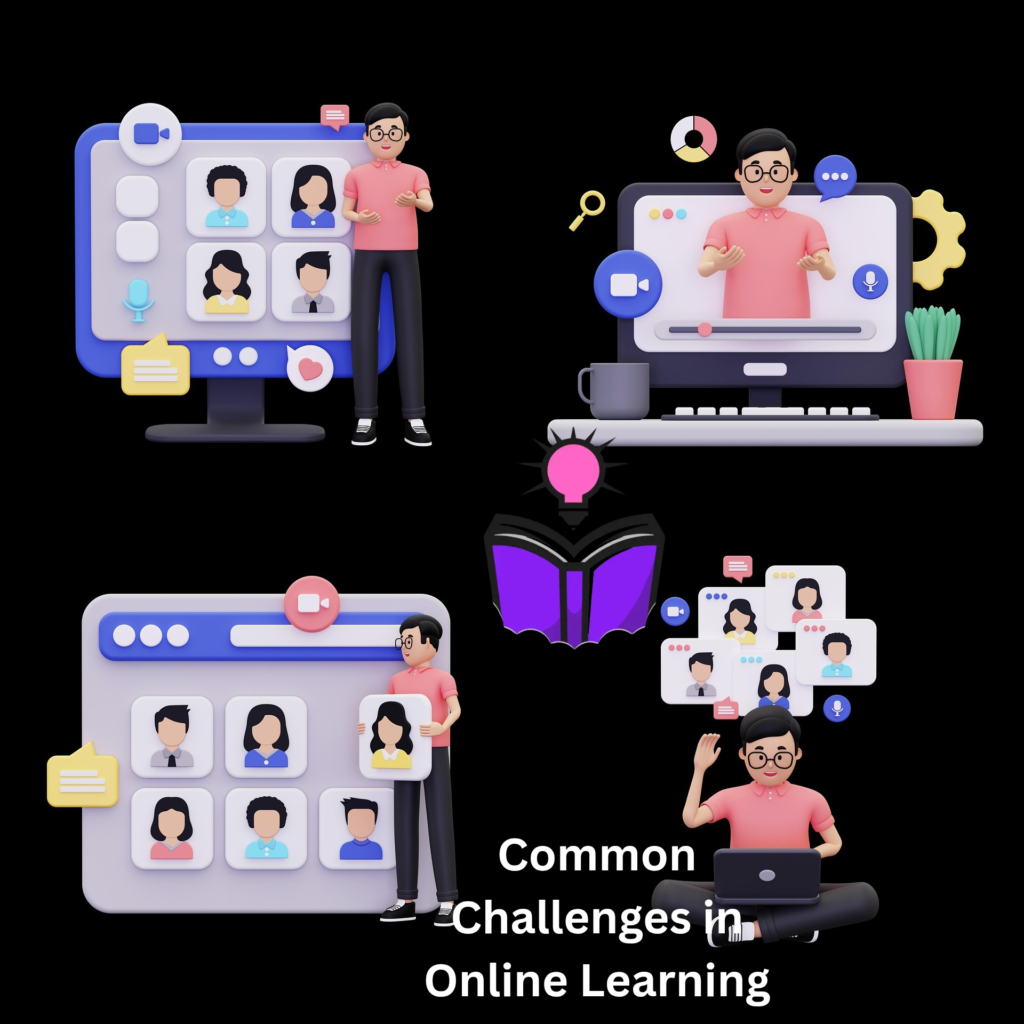
Common Challenges in Online Learning
Before diving into solutions, it’s important to understand the most frequent problems students face.
Lack of Motivation and Self-Discipline
One of the biggest hurdles in online learning is staying motivated. Without a physical classroom or instructor watching, it’s easy to procrastinate or lose focus.
Time Management Issues
Balancing coursework with jobs, family responsibilities, and social life can feel overwhelming. Many learners underestimate how much time online learning actually requires.
Distractions at Home
From smartphones and social media to household noise, distractions can significantly reduce productivity.
Limited Interaction and Isolation
Online learners often miss the social aspect of education. The lack of face-to-face communication can lead to feelings of isolation and reduced engagement.
Technical Difficulties
Unstable internet connections, unfamiliar software, or outdated devices can interrupt the learning process.
Difficulty Understanding Course Material
Without immediate access to instructors, some students struggle to grasp complex topics.
Effective Strategies to Overcome Online Learning Challenges
Now that we’ve identified the issues, let’s explore practical solutions that can help you succeed.
Create a Dedicated Learning Environment
Your environment plays a crucial role in your ability to focus and retain information.
Designate a specific area in your home for studying. It doesn’t have to be a separate room, but it should be a space where you associate productivity and concentration. Keep it clean, organized, and free from distractions.
Good lighting, a comfortable chair, and minimal noise can significantly improve your learning experience. When your brain recognizes this space as your “study zone,” it becomes easier to switch into focus mode.
Build a Consistent Routine
Consistency is key in online learning. Without a schedule, it’s easy to fall behind.
Set fixed times each day or week for studying, attending lectures, and completing assignments. Treat these sessions like in-person classes—non-negotiable and important.
Creating a routine helps train your mind to be ready for learning at specific times, improving both focus and efficiency.
Master Time Management
Time management is one of the most critical skills for online learners.
Start by breaking your coursework into smaller, manageable tasks. Instead of saying, “I’ll study biology today,” set a specific goal like “Complete Chapter 3 and take notes.”
Using digital planners or calendar apps can help you track deadlines and stay organized. Many students in the U.S. find success with techniques like time blocking, where you assign specific hours to different tasks.
Avoid multitasking. Focus on one task at a time to improve both speed and quality.
Minimize Distractions
Distractions are everywhere, especially when studying at home.
Put your phone on silent or in another room during study sessions. Use website blockers if you find yourself scrolling through social media. Let family members or roommates know your study schedule so they can respect your time.
Noise-canceling headphones or background music can also help create a focused atmosphere.
Stay Connected and Engaged
One of the biggest downsides of online learning is the lack of interaction, but this doesn’t mean you have to feel isolated.
Participate actively in discussion boards, group projects, and virtual meetings. Don’t hesitate to ask questions or share your thoughts.
Building connections with classmates can make learning more enjoyable and provide a support system when you face challenges.
Communicate with Instructors
Many students hesitate to reach out to instructors in online courses, but communication is essential.
If you don’t understand something, ask. Most instructors are willing to help and appreciate proactive students. Whether through email, discussion forums, or virtual office hours, staying in touch can clarify concepts and keep you on track.
Improve Your Technical Skills
Technology is the backbone of online learning, so being comfortable with digital tools is essential.
Take time to familiarize yourself with the learning platform, video conferencing tools, and any required software. If you encounter technical issues, don’t ignore them—seek help immediately.
Having a reliable internet connection and updated devices can prevent unnecessary disruptions.

Develop Active Learning Habits
Passive learning—like just watching videos or reading without engagement—often leads to poor retention.
Instead, take notes, summarize concepts in your own words, and test yourself regularly. Teaching what you’ve learned to someone else is also a powerful way to reinforce knowledge.
Interactive learning keeps your brain engaged and improves understanding.
Take Care of Your Mental and Physical Health
Online learning can be mentally exhausting, especially if you spend long hours in front of a screen.
Take regular breaks to recharge. The Pomodoro Technique—studying for 25 minutes and taking a 5-minute break—is a popular method.
Exercise, eat healthy, and get enough sleep. These habits directly impact your ability to focus and retain information.
Don’t ignore feelings of stress or burnout. If you feel overwhelmed, step back and reset.
Set Clear Goals and Track Progress
Having clear goals gives you direction and motivation.
Define what you want to achieve in your course, whether it’s earning a certification, improving your GPA, or gaining a specific skill.
Track your progress regularly. Seeing how far you’ve come can boost motivation and help you stay committed.
Use Available Resources
Many online programs offer resources that students often overlook.
These may include tutoring services, writing centers, technical support, and career counseling. Taking advantage of these resources can enhance your learning experience and provide additional support when needed.
Stay Flexible and Adaptable
Online learning environments can change quickly. Course schedules, formats, or requirements may shift.
Being adaptable helps you handle these changes without stress. Instead of resisting change, focus on how you can adjust your approach to stay on track.
Build Self-Discipline Over Time
Self-discipline isn’t something you either have or don’t—it’s a skill you can develop.
Start with small commitments and gradually increase your workload. Reward yourself for completing tasks and staying consistent.
Over time, discipline becomes a habit, making it easier to manage your studies effectively.
The Role of Mindset in Online Learning Success
Your mindset plays a huge role in how you approach challenges.
Instead of seeing difficulties as obstacles, view them as opportunities to grow. Every challenge you overcome strengthens your skills and confidence.
A positive, growth-oriented mindset can make a significant difference in your overall experience.
Why Online Learning Is Worth the Effort
Despite its challenges, online learning offers incredible benefits.
It allows you to learn at your own pace, access a wide range of courses, and balance education with other responsibilities. For many people in the United States, it has opened doors to career advancement and personal growth that might not have been possible otherwise.
The key is not to avoid challenges but to learn how to manage them effectively.
Final Thoughts
Online learning is not always easy, but it is highly rewarding when approached with the right strategies. By creating a structured routine, minimizing distractions, staying engaged, and taking care of your well-being, you can overcome the most common challenges and thrive in a virtual learning environment.
Success in online education comes down to consistency, discipline, and adaptability. The more effort you put into building effective habits, the more you’ll get out of your learning experience.
Whether you’re a college student, a working professional, or someone exploring new skills, mastering online learning can set you up for long-term success in today’s digital world.
If you’d like, I can also optimize this post further with meta descriptions, keywords, headings (H1–H3), or internal linking suggestions for your blog.