
How to Cope with Feeling Overwhelmed in College: A Complete Guide for Students in the U.S.
College is often described as one of the most exciting times of your life. It’s a place where you gain independence, explore new interests, and build lifelong friendships. But alongside the excitement, many students across the United States quietly struggle with something far less talked about—feeling overwhelmed.
Between academic pressure, financial concerns, social expectations, and the challenge of living on your own, it’s completely normal to feel like everything is piling up at once. If you’ve ever felt like you’re drowning in assignments, deadlines, and responsibilities, you’re not alone—and more importantly, there are practical ways to cope.
This guide will walk you through why college can feel so overwhelming and give you realistic, effective strategies to regain control and feel more balanced.
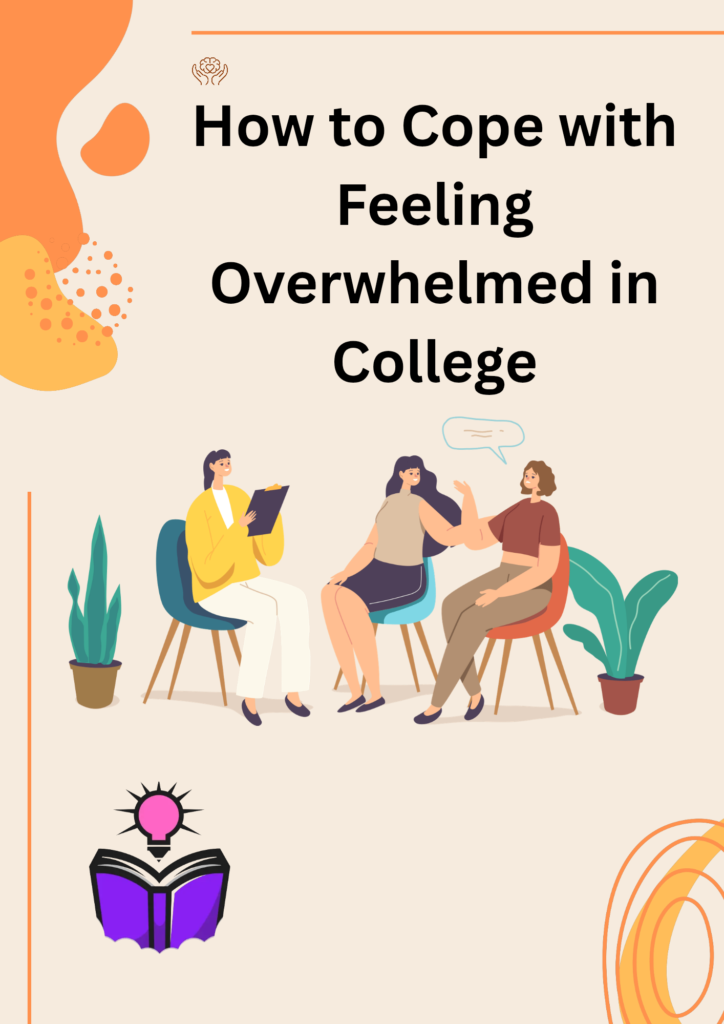
Why College Feels So Overwhelming
Before jumping into solutions, it’s important to understand what’s causing the stress in the first place. College life in the U.S. is uniquely demanding, and several factors contribute to the pressure.
First, there’s academic intensity. Unlike high school, professors expect you to manage your time independently. You might have fewer classes, but the workload outside the classroom is significantly heavier. Long readings, research papers, and group projects can quickly stack up.
Second, many students are dealing with financial stress. Tuition, housing, student loans, and part-time jobs all add another layer of pressure. Trying to balance earning money while keeping up with coursework can feel exhausting.
Social expectations also play a role. You may feel pressure to make friends, attend events, join clubs, and maintain an active social life—all while staying academically successful. Add in being away from home for the first time, and it’s easy to feel emotionally stretched.
Lastly, there’s the uncertainty about the future. Questions like “What career should I choose?” or “Am I on the right path?” can create constant background anxiety.
Understanding these stressors is the first step in learning how to manage them.
Recognizing the Signs of Being Overwhelmed
Feeling overwhelmed doesn’t always look the same for everyone. Sometimes it’s obvious, but other times it creeps in slowly.
You might notice that you’re constantly tired, even after getting enough sleep. You may struggle to concentrate or feel unmotivated to start assignments. Procrastination becomes more frequent, not because you’re lazy, but because tasks feel too big to tackle.
Emotionally, you might feel anxious, irritable, or even numb. Small problems can feel like major crises, and you may find yourself withdrawing from friends or activities you used to enjoy.
Physical symptoms can also appear, such as headaches, stomach issues, or frequent illness due to stress weakening your immune system.
Recognizing these signs early can help you take action before burnout sets in.
Shift Your Mindset: You Don’t Have to Do Everything Perfectly
One of the biggest contributors to overwhelm is perfectionism. Many college students feel pressure to excel in every area—academics, social life, internships, and extracurriculars.
But here’s the truth: you don’t have to do everything perfectly.
Trying to be the “perfect student” often leads to burnout. Instead, aim for progress, not perfection. It’s okay if you don’t get straight A’s every semester. It’s okay to skip an event to rest. It’s okay to prioritize what truly matters to you.
When you shift your mindset from perfection to balance, you free yourself from unrealistic expectations.
Break Tasks Into Manageable Pieces
When everything feels overwhelming, it’s often because you’re looking at tasks as one giant block instead of smaller steps.
For example, instead of thinking, “I have to write a 10-page paper,” break it down into manageable parts:
- Choose a topic
- Conduct research
- Create an outline
- Write the introduction
- Draft each section
- Edit and revise
Each step becomes more approachable, and completing small tasks gives you a sense of accomplishment that builds momentum.
This method works for nearly everything—studying for exams, preparing presentations, or even organizing your week.

Create a Flexible (Not Rigid) Schedule
Time management is essential in college, but overly strict schedules can actually make you feel more stressed.
Instead of planning every minute of your day, create a flexible structure. Use a planner or digital calendar to map out your week, including classes, study time, work shifts, and personal time.
The key is to leave room for adjustments. Life happens—assignments take longer than expected, or you may simply need a break.
A flexible schedule helps you stay organized without feeling trapped.

Learn to Say No Without Guilt
College offers countless opportunities—clubs, events, social gatherings, and more. While it’s great to get involved, overcommitting is a fast track to feeling overwhelmed.
It’s okay to say no.
You don’t have to attend every party, join every club, or take on every responsibility. Choose activities that genuinely interest you or align with your goals.
Saying no isn’t a failure—it’s a form of self-respect.
Build a Support System
You don’t have to navigate college alone. Building a support system can make a huge difference in how you handle stress.
Friends, roommates, classmates, and even professors can be valuable sources of support. Talking about what you’re going through can help you feel less isolated and more understood.
Most U.S. colleges also offer counseling services. These are often included in your tuition, making them an accessible resource. Speaking with a counselor can provide professional guidance and coping strategies tailored to your situation.
Sometimes, just knowing someone is there to listen can ease the weight you’re carrying.
Take Care of Your Physical Health
When you’re overwhelmed, self-care is often the first thing to go. But your physical health plays a major role in your mental well-being.
Start with the basics—get enough sleep. College culture often glorifies late nights, but consistent sleep is essential for focus and energy.
Eating balanced meals is equally important. It’s tempting to rely on fast food or skip meals during busy days, but proper nutrition fuels your brain and body.
Exercise doesn’t have to mean spending hours at the gym. Even a short walk across campus or a quick workout can help reduce stress and improve your mood.
When your body feels better, your mind becomes more resilient.
Limit Social Media Comparison
Social media can amplify feelings of overwhelm. Scrolling through posts of classmates who seem to have everything together can make you feel like you’re falling behind.
But remember, social media shows highlights—not reality.
Everyone struggles in college, even if they don’t show it online. Limiting your time on social platforms can help reduce unnecessary comparison and keep you focused on your own journey.
Practice Simple Stress-Relief Techniques
You don’t need complicated routines to manage stress. Small, consistent habits can make a big difference.
Deep breathing exercises can help calm your mind in moments of anxiety. Taking a few minutes to focus on your breath can reduce stress almost immediately.
Journaling is another powerful tool. Writing down your thoughts can help you process emotions and gain clarity.
Even stepping outside for fresh air or listening to music can reset your mood and help you feel more grounded.
Use Campus Resources
Many students don’t take full advantage of the resources available on campus, but these services are there to support you.
Academic advisors can help you plan your schedule and manage your workload. Tutoring centers provide assistance with challenging subjects. Writing centers can guide you through essays and research papers.
If you’re feeling overwhelmed, reaching out to these resources can lighten your load and improve your confidence.
Accept That It’s Okay to Struggle
One of the most important things to understand is that struggling in college is normal.
You’re adjusting to a new environment, new responsibilities, and new expectations. It’s a period of growth, and growth often comes with discomfort.
Instead of viewing challenges as failures, see them as part of the learning process. Every obstacle you overcome builds resilience and prepares you for the future.
When to Seek Professional Help
While feeling overwhelmed is common, there are times when it may require professional support.
If your stress is persistent, affecting your daily functioning, or leading to feelings of hopelessness, it’s important to seek help. Mental health professionals can provide strategies and support that go beyond what you can manage on your own.
Reaching out is a sign of strength, not weakness.
Finding Balance in College Life
Coping with overwhelm isn’t about eliminating stress entirely—that’s unrealistic. Instead, it’s about finding balance.
Balance means knowing when to work and when to rest. It means prioritizing your well-being alongside your responsibilities. It means understanding that you are more than your grades or achievements.
College is a chapter of your life, not the definition of it.

Final Thoughts
Feeling overwhelmed in college is something almost every student experiences at some point. The key is learning how to manage those feelings in a healthy, sustainable way.
By breaking tasks into smaller steps, managing your time wisely, building a support system, and taking care of your mental and physical health, you can navigate college with more confidence and less stress.
Remember, you don’t have to have everything figured out. Take things one day at a time, and give yourself the same understanding and patience you would offer a friend.
College is not just about academic success—it’s about personal growth, resilience, and discovering who you are. And even on the hardest days, you are making progress.