How to Study Effectively for Open-Book Exams (A Complete Guide for U.S. Students)
Open-book exams are often misunderstood. Many students assume they’re easier than traditional tests because you can consult your notes, textbooks, or other resources during the exam. But in reality, open-book exams can be just as challenging—sometimes even more so.
Why? Because they’re designed to test how well you understand the material, not just how well you can memorize it.
If you’re a student in the United States preparing for an open-book exam—whether in high school, college, or an online course—this guide will walk you through exactly how to study effectively, stay organized, and perform at your best.
Understanding the Nature of Open-Book Exams
Before diving into study strategies, it’s important to understand what open-book exams are really testing.
Unlike closed-book tests that focus heavily on memorization, open-book exams emphasize:
- Critical thinking
- Application of concepts
- Problem-solving skills
- Analysis and interpretation
Your instructor already knows you have access to the material. What they want to see is how you use it.
This means simply bringing your textbook into the exam room won’t help unless you know how to navigate it efficiently and understand the content deeply.
Why Traditional Study Methods Don’t Work as Well
Many students make the mistake of studying less for open-book exams. They assume they can “look everything up” during the test.
Here’s the problem: time pressure.
You won’t have enough time to search for every answer. If you rely too heavily on flipping through pages, you’ll likely run out of time or give incomplete answers.
In fact, open-book exams often include:
- Complex, multi-step questions
- Case studies
- Essay responses
- Scenario-based problems
These require you to already understand the material before the exam begins.
Start With a Strong Foundation
The first step to effective preparation is building a solid understanding of the subject.
Instead of focusing on memorizing definitions, aim to:
- Understand key concepts
- Identify relationships between topics
- Learn how ideas connect
For example, if you’re studying economics, don’t just memorize terms like supply and demand. Understand how they interact in real-world scenarios.
This foundational knowledge allows you to recognize what the question is asking and quickly locate relevant information if needed.

Organize Your Materials Strategically
One of the biggest advantages of an open-book exam is access to resources—but only if those resources are well organized.
Imagine trying to find one formula in a 500-page textbook under time pressure. Without preparation, that’s a recipe for frustration.
Instead, create a system that allows you to locate information quickly.
Use Tabs and Labels
Physically or digitally mark important sections of your materials. This might include:
- Key chapters
- Frequently used formulas
- Important case studies
- Definitions and summaries
Color-coded tabs can be especially helpful for quick navigation.
Create a Table of Contents or Index
Even if your textbook already has one, creating your own simplified version can save time.
Focus on the most relevant topics likely to appear on the exam.
Highlight With Purpose
Avoid highlighting everything. Instead, emphasize:
- Key ideas
- Important examples
- Frequently tested concepts
Your goal is to make critical information stand out instantly.
Build a Personalized Cheat Sheet (Even If Allowed Materials Are Unlimited)
Even when you’re allowed to bring full textbooks and notes, creating a condensed reference sheet is one of the most effective study strategies.
This process forces you to:
- Review the material
- Identify what’s most important
- Summarize information in your own words
A strong cheat sheet might include:
- Key formulas
- Definitions
- Diagrams
- Step-by-step processes
The act of creating it is often more valuable than using it during the exam.
Practice With Application-Based Questions
Open-book exams are rarely about recalling facts. They focus on applying knowledge.
That’s why practice is essential.
Work through:
- Practice exams
- Past papers
- Sample questions from your textbook
Focus on questions that require explanation, analysis, or problem-solving.
For example, instead of asking, “What is photosynthesis?” an open-book exam might ask:
“Explain how photosynthesis would be affected in a low-light environment and justify your reasoning.”
This requires understanding, not just definition recall.
Time Management Is Critical
One of the biggest challenges in open-book exams is managing your time effectively.
It’s easy to fall into the trap of over-relying on your materials.
Simulate Exam Conditions
When practicing, time yourself. This helps you:
- Get used to working under pressure
- Learn how long different types of questions take
- Identify areas where you need to improve
Don’t Look Everything Up
During practice sessions, try answering questions without immediately checking your notes.
Only refer to your materials when necessary.
This builds confidence and reduces dependency.
Develop Quick Reference Skills
Knowing where information is located is just as important as understanding it.
During your study sessions:
- Practice finding key information quickly
- Familiarize yourself with your textbook layout
- Memorize the general structure of your notes
Think of your materials as a tool—you need to know how to use them efficiently.
Focus on Understanding Over Memorization
Even though it’s an open-book exam, some level of memorization is still helpful.
However, your primary focus should be understanding.
Ask yourself:
- Can I explain this concept in my own words?
- Can I apply this idea to a new situation?
- Can I connect this topic to something else I’ve learned?
If the answer is yes, you’re on the right track.
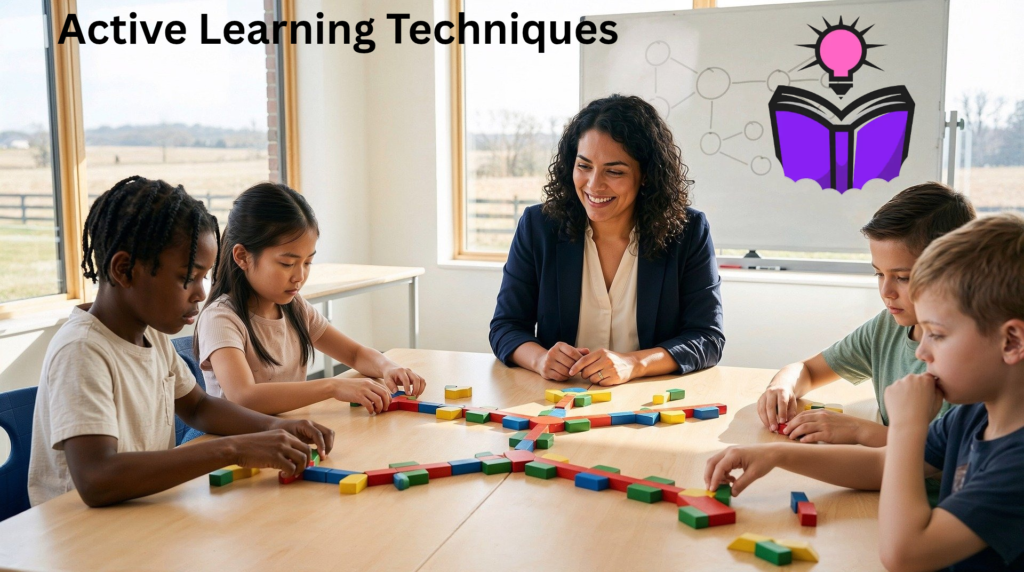
Use Active Learning Techniques
Passive reading is not enough for open-book exam preparation.
Instead, engage with the material actively.
Teach the Material
Try explaining concepts to a friend, classmate, or even out loud to yourself.
Teaching forces you to clarify your understanding and identify gaps.
Create Mind Maps
Visualizing connections between topics can help you see the bigger picture.
This is especially useful for subjects with complex relationships.
Practice Writing Answers
If your exam includes essays or short answers, practice writing complete responses.
Focus on clarity, structure, and depth of explanation.
Prepare for Different Types of Questions
Open-book exams can include a wide range of question formats.
Essay Questions
These require you to:
- Develop an argument
- Support it with evidence
- Organize your thoughts clearly
Practice outlining your answers before writing.
Problem-Solving Questions
Common in subjects like math, science, and engineering.
Focus on:
- Understanding formulas
- Knowing when to use them
- Practicing step-by-step solutions
Case Studies
Often used in business, law, and healthcare courses.
You’ll need to:
- Analyze a scenario
- Apply relevant concepts
- Justify your decisions
Avoid Common Mistakes
Many students struggle with open-book exams because of a few common pitfalls.
Overconfidence
Thinking the exam will be easy can lead to under-preparation.
Disorganization
Bringing too many unorganized materials can slow you down.
Over-Reliance on Notes
If you spend too much time searching for answers, you’ll lose valuable time.
Lack of Practice
Not practicing application-based questions can leave you unprepared for the actual exam.
Optimize Your Study Environment
Your study environment plays a significant role in how effectively you prepare.
Choose a space that is:
- Quiet
- Comfortable
- Free from distractions
If you’re studying at home, consider:
- Turning off notifications
- Using website blockers
- Setting specific study times
Consistency is key.
Leverage Digital Tools (If Allowed)
Many open-book exams in the U.S. are conducted online.
If your exam allows digital resources, take advantage of tools like:
- Search functions (Ctrl + F)
- Digital note-taking apps
- Organized folders and files
However, don’t rely solely on search. You still need to understand the material.
Plan Your Exam Strategy in Advance
Before the exam begins, have a clear plan.
Decide:
- Which questions to answer first
- How much time to spend on each section
- When to use your materials
Starting with questions you’re confident about can build momentum and save time.
Stay Calm and Focused During the Exam
Even with preparation, it’s normal to feel some stress.
During the exam:
- Read questions carefully
- Take a moment to plan your answer
- Avoid rushing
If you get stuck, move on and return later.
Remember, your materials are there to support you—not slow you down.
After the Exam: Reflect and Improve
Once the exam is over, take time to reflect.
Ask yourself:
- What worked well?
- What could I improve?
- Did my study strategies help?
This reflection will help you perform even better in future exams.
Final Thoughts
Open-book exams are not about having access to information—they’re about knowing how to use it effectively.
With the right approach, they can actually be an opportunity to demonstrate deeper understanding and critical thinking skills.
To succeed, focus on:
- Building a strong conceptual foundation
- Organizing your materials
- Practicing application-based questions
- Managing your time effectively
If you treat an open-book exam with the same seriousness as a closed-book one—and prepare strategically—you’ll not only perform better but also gain a deeper understanding of your subject.
By mastering these techniques, you’ll turn open-book exams from a source of uncertainty into a powerful opportunity to excel.
k