
The Future of EdTech: How VR and AR Are Changing Education
Education has always evolved alongside technology, from chalkboards to computers, and from textbooks to tablets. Today, we stand at the edge of another major transformation—one driven by immersive technologies like Virtual Reality (VR) and Augmented Reality (AR). These innovations are not just enhancing traditional learning methods; they are fundamentally reshaping how knowledge is delivered, experienced, and retained.
For students, teachers, and institutions across the United States, VR and AR represent more than a trend. They signal a shift toward experiential, interactive, and deeply engaging education. As classrooms become more digital and learners demand more personalized experiences, these technologies are paving the way for a future where education is not just consumed—it is lived.
Understanding VR and AR in Education
Before diving into their impact, it’s important to understand what VR and AR actually mean in the context of education.
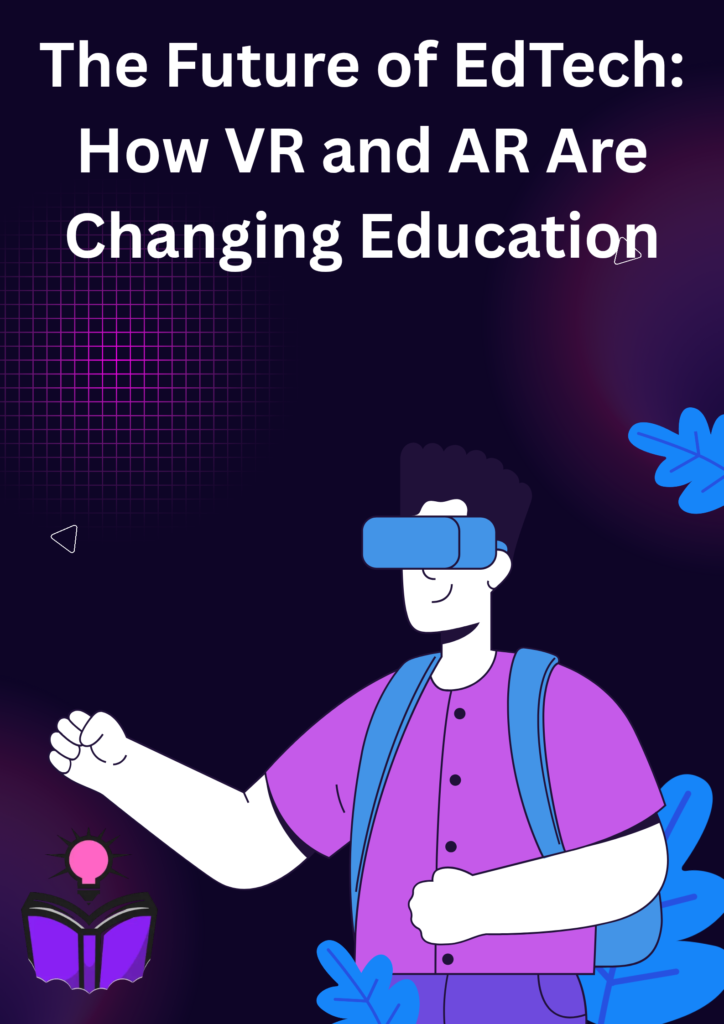
Virtual Reality (VR) immerses users in a fully digital environment. With a headset, students can step into a simulated world where they can explore historical landmarks, conduct virtual science experiments, or even travel through the human body.
Augmented Reality (AR), on the other hand, overlays digital information onto the real world. Using smartphones, tablets, or AR glasses, students can see 3D models, animations, or data layered onto their physical surroundings.
Both technologies aim to enhance learning, but they do so in different ways—VR by replacing reality, and AR by enhancing it.
Why Immersive Learning Matters
Traditional learning methods often rely on passive engagement—reading, listening, and memorizing. While these methods are effective to some extent, they don’t always cater to diverse learning styles or encourage deep understanding.
Immersive learning changes that dynamic. When students actively participate in a learning experience, they are more likely to retain information and develop critical thinking skills. VR and AR make this possible by turning abstract concepts into tangible experiences.
Imagine a student learning about the solar system. Instead of reading about planets in a textbook, they can explore them in 3D, walk on Mars, or watch the rings of Saturn up close. This level of interaction transforms curiosity into comprehension.
also visit How to Develop Technical Skills for Career Advancement
The Rise of VR and AR in U.S. Classrooms
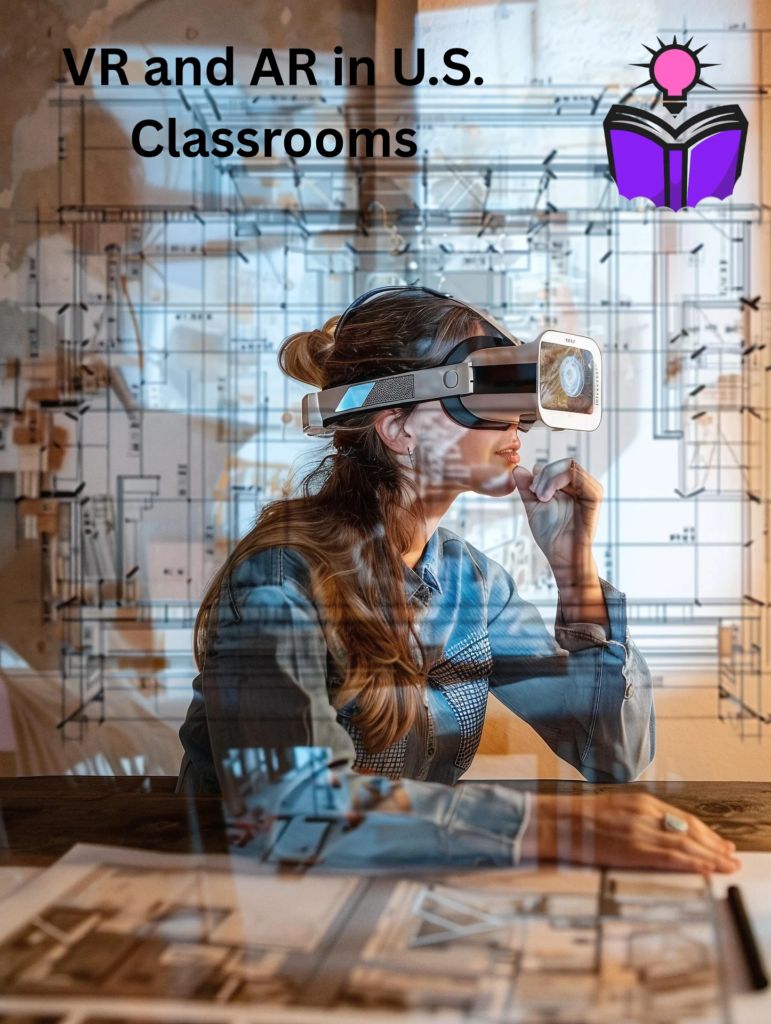
Across the United States, schools and universities are increasingly adopting VR and AR tools. From elementary classrooms to higher education institutions, educators are experimenting with immersive technologies to enhance curriculum delivery.
Part of this growth is driven by accessibility. VR headsets have become more affordable, and AR applications can run on devices that many students already own. Additionally, federal and state investments in digital learning infrastructure have accelerated adoption.
Another factor is the shift toward hybrid and online learning. The COVID-19 pandemic highlighted the need for engaging digital tools, and VR and AR emerged as powerful solutions to bridge the gap between physical and virtual classrooms.
Transforming STEM Education
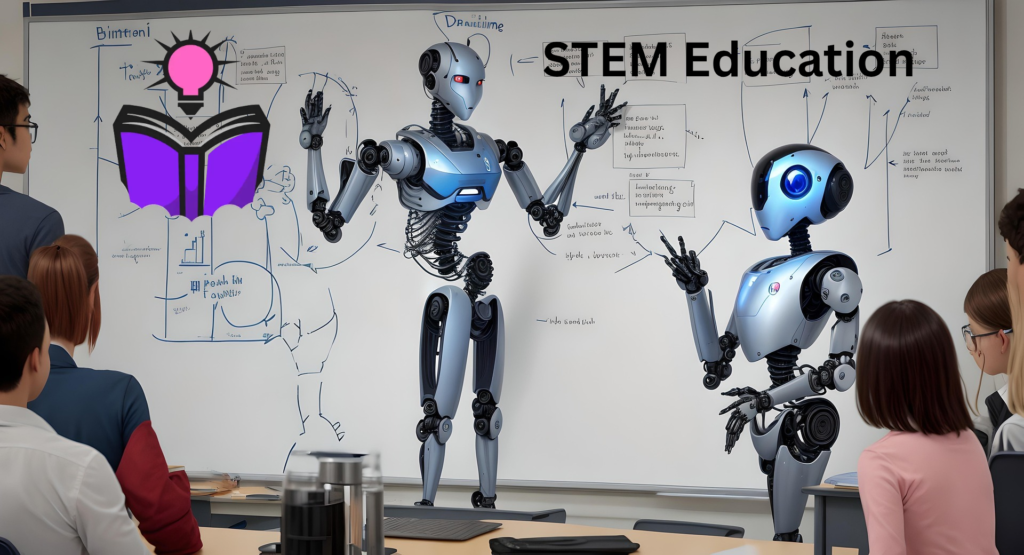
One of the most significant impacts of VR and AR is in STEM (Science, Technology, Engineering, and Mathematics) education. These subjects often involve complex concepts that can be difficult to visualize.
With VR, students can conduct virtual lab experiments without the risk or cost associated with physical materials. They can manipulate molecules, observe chemical reactions, and explore engineering designs in a safe, controlled environment.
AR enhances this experience by bringing interactive models into the real world. For example, a biology student can use AR to examine a 3D heart beating on their desk, rotating it and exploring its internal structures.
This hands-on approach not only improves understanding but also fosters a deeper interest in STEM fields—an essential goal for the U.S. workforce of the future.
Enhancing Engagement and Motivation
One of the biggest challenges in education is keeping students engaged. With the rise of digital distractions, traditional teaching methods often struggle to capture attention.
VR and AR address this challenge by making learning inherently engaging. The immersive nature of these technologies creates a sense of presence and excitement that is difficult to achieve with conventional tools.
Students are no longer passive recipients of information; they become active participants in their learning journey. This increased engagement leads to higher motivation, better attendance, and improved academic performance.
Gamification also plays a role here. Many VR and AR applications incorporate game-like elements, such as challenges, rewards, and progression systems. These features make learning more enjoyable and encourage students to persist through difficult material.
Bridging the Gap Between Theory and Practice
One of the longstanding issues in education is the gap between theoretical knowledge and real-world application. VR and AR help bridge this gap by simulating real-life scenarios.
In medical education, for instance, students can practice surgeries in a virtual environment before working with real patients. In engineering, they can test designs and troubleshoot problems in a simulated setting.
For vocational training, AR can provide step-by-step guidance during hands-on tasks. A student learning automotive repair can see instructions overlaid directly on the engine they are working on.
These practical experiences not only build confidence but also prepare students for real-world challenges, making them more job-ready.
Personalized Learning Experiences
Every student learns differently. Some prefer visual content, while others benefit from hands-on activities or auditory explanations. VR and AR enable highly personalized learning experiences tailored to individual needs.
With data-driven insights, these technologies can adapt content based on a student’s progress and performance. For example, if a student struggles with a particular concept, the system can provide additional simulations or alternative explanations.
This level of personalization is particularly valuable in diverse classrooms across the United States, where students come from different backgrounds and have varying learning abilities.
By catering to individual needs, VR and AR help ensure that no student is left behind.
Expanding Access to Education
Accessibility is another area where VR and AR are making a significant impact. Students in remote or underserved areas often lack access to high-quality educational resources.
With VR, these students can experience field trips to museums, historical sites, and scientific laboratories without leaving their homes. AR can bring interactive learning materials to classrooms that may not have access to advanced equipment.
Additionally, these technologies can support students with disabilities. For example, VR can create controlled environments for students with autism, while AR can provide visual aids for those with hearing impairments.
By breaking down geographical and physical barriers, VR and AR are helping to create a more inclusive education system.
Challenges and Limitations
Despite their potential, VR and AR are not without challenges. One of the primary concerns is cost. While prices have decreased, high-quality VR equipment and software can still be expensive for some schools.
There are also technical challenges, such as the need for reliable internet connections and device compatibility. In addition, teachers require training to effectively integrate these technologies into their curriculum.
Another concern is screen time. As students spend more time using digital devices, there is a growing need to balance technology use with traditional learning methods and physical activities.
Finally, content development remains a hurdle. Creating high-quality, curriculum-aligned VR and AR experiences requires significant time and resources.
The Role of Teachers in an Immersive Future
As technology evolves, the role of teachers is also changing. Rather than being the sole source of information, educators are becoming facilitators of learning experiences.
In a VR- and AR-enabled classroom, teachers guide students through immersive activities, encourage critical thinking, and provide context for what they are experiencing.
Professional development is crucial in this transition. Teachers need training not only in using these technologies but also in designing lessons that effectively incorporate them.
The human element of teaching remains irreplaceable. While VR and AR can enhance learning, they cannot replicate the mentorship, empathy, and support that educators provide.
The Future of EdTech in the United States
Looking ahead, the integration of VR and AR in education is expected to grow significantly. Advances in hardware, such as lighter and more affordable headsets, will make these technologies more accessible.
Artificial intelligence will further enhance immersive learning by enabling more adaptive and intelligent educational experiences. For example, AI-powered VR environments could respond to student behavior in real time, offering personalized guidance and feedback.
Collaboration is another area of growth. Future VR platforms may allow students from different parts of the country—or even the world—to interact in shared virtual spaces, working together on projects and learning from one another.
As these technologies mature, they will become a standard part of the educational landscape, much like computers and the internet are today.
Preparing Students for a Digital Future
The adoption of VR and AR in education is not just about improving academic outcomes; it’s about preparing students for the future.
Many industries in the United States, including healthcare, engineering, and entertainment, are already using these technologies. By introducing students to VR and AR early on, schools can help them develop the skills needed for these emerging fields.
These skills include spatial awareness, digital literacy, problem-solving, and adaptability—all of which are essential in a rapidly changing job market.
Conclusion
The future of education is immersive, interactive, and deeply engaging. VR and AR are at the forefront of this transformation, offering new ways to teach, learn, and explore.
While challenges remain, the potential benefits far outweigh the limitations. From enhancing engagement and understanding to expanding access and personalization, these technologies are redefining what education can be.
For educators, students, and policymakers in the United States, embracing VR and AR is not just an option—it’s an opportunity to create a more dynamic, inclusive, and effective education system.
As we move forward, one thing is clear: the classroom of tomorrow will not be confined by walls or textbooks. It will be a place where imagination meets technology, and where learning becomes an experience like never before.