How to Stay Motivated for Long-Term Online Learning
Online learning has transformed the way people in the United States pursue education, develop skills, and advance their careers. Whether you’re working toward a degree, learning a new language, or mastering a professional skill, the flexibility of online education is both its greatest advantage and its biggest challenge. Without the structure of a traditional classroom, staying motivated over the long term can feel difficult—even overwhelming.
If you’ve ever started an online course with enthusiasm only to lose momentum halfway through, you’re not alone. The key to success in long-term online learning isn’t just discipline—it’s strategy. With the right mindset, habits, and environment, you can maintain motivation and finish what you start.
Let’s explore how.
Understanding Why Motivation Fades
Before diving into solutions, it’s important to understand why motivation tends to drop during long-term online learning.
At the beginning, everything feels exciting. New goals, fresh content, and a sense of progress keep you engaged. But over time, several challenges creep in:
- Lack of immediate results
- Feeling isolated without peers
- Competing responsibilities like work and family
- Burnout from juggling multiple priorities
- Loss of clear direction
In the U.S., where many learners balance full-time jobs and personal commitments, these challenges are especially common. Recognizing them is the first step toward overcoming them.
Set Clear and Meaningful Goals
One of the most powerful ways to stay motivated is to know exactly why you started.
Instead of vague goals like “learn coding” or “finish a course,” define something specific and meaningful. For example:
- “Complete a data analytics certification in six months to qualify for a promotion.”
- “Learn conversational Spanish to travel confidently next year.”
- “Build a portfolio website to transition into freelance work.”
When your goal is tied to a real-life outcome, it becomes easier to stay committed. Write your goal down and place it somewhere visible—your desk, your laptop wallpaper, or even your phone lock screen.
Breaking your long-term goal into smaller milestones can also help. Each milestone becomes a mini-achievement, giving you regular boosts of motivation.
Create a Consistent Learning Routine
Consistency beats intensity every time. Instead of cramming long sessions once in a while, aim for shorter, regular study periods.
For example, dedicating 30–60 minutes a day is often more effective than studying for five hours once a week. This approach helps build a habit, making learning part of your daily routine rather than an occasional task.
Choose a time that works best for your lifestyle. Some people focus better early in the morning, while others prefer evenings after work. The key is to stick with it.
Treat your study time like an important appointment. Avoid canceling it unless absolutely necessary.

Design a Distraction-Free Learning Environment
Your environment plays a major role in your ability to stay motivated.
If you’re studying at home, distractions can easily derail your focus—social media, TV, household chores, or even noise from family members. Creating a dedicated learning space can make a big difference.
It doesn’t have to be a separate room. Even a small corner with a desk, comfortable chair, and minimal clutter can help signal to your brain that it’s time to focus.
Consider these simple adjustments:
- Keep your workspace clean and organized
- Use noise-canceling headphones if needed
- Turn off unnecessary notifications
- Use apps that block distracting websites during study time
When your environment supports your goals, staying motivated becomes much easier.

Track Your Progress Visually
Progress is a powerful motivator—but only if you can see it.
In long-term online learning, progress can feel invisible. Weeks may pass without a clear sense of achievement, which can lead to frustration.
That’s why tracking your progress is essential.
You can use simple methods like:
- A checklist of completed lessons
- A calendar marking study days
- A progress bar or spreadsheet
Every time you complete a lesson, module, or assignment, mark it. Watching your progress grow creates a sense of accomplishment and encourages you to keep going.
Make Learning Engaging and Interactive
One common reason people lose motivation is boredom. Passive learning—just watching videos or reading materials—can quickly become dull.
To stay engaged, make your learning experience interactive.
Try these approaches:
- Take notes in your own words
- Apply what you learn through small projects
- Teach the concept to someone else
- Join online discussions or forums
When you actively engage with the material, you retain more information and stay mentally stimulated.
If your course allows flexibility, mix different types of learning resources. Videos, podcasts, quizzes, and hands-on exercises can keep things fresh and interesting.
Build Accountability Into Your Routine
Accountability can significantly boost motivation, especially for long-term goals.
When you’re learning online, there’s often no one checking in on your progress. That freedom can lead to procrastination. Creating external accountability helps you stay on track.
You might:
- Share your goals with a friend or family member
- Join an online study group
- Partner with another learner and check in weekly
- Post your progress on social media
Knowing that someone else is aware of your goals can push you to stay consistent—even on days when motivation is low.
Reward Yourself Along the Way
Long-term learning requires patience, and rewards can help maintain momentum.
Instead of waiting until the end of your course, celebrate small wins along the way. For example:
- Completing a module
- Passing a quiz
- Studying consistently for a week
Your reward doesn’t have to be big. It could be something simple like watching your favorite show, ordering takeout, or taking a day off.
These small incentives create positive reinforcement, making the learning process more enjoyable.
Accept That Motivation Fluctuates
One of the biggest misconceptions is that motivated people feel inspired all the time. In reality, motivation naturally rises and falls.
There will be days when you don’t feel like studying. That’s normal.
Instead of relying solely on motivation, build systems and habits that carry you through low-energy periods. Even if you’re not fully focused, doing a small amount of work is better than doing nothing.
Think of motivation as a bonus—not a requirement.
Avoid Burnout by Managing Your Energy
Burnout is a major threat to long-term motivation.
If you push yourself too hard without breaks, you may start feeling exhausted, frustrated, or even resentful toward your learning goals.
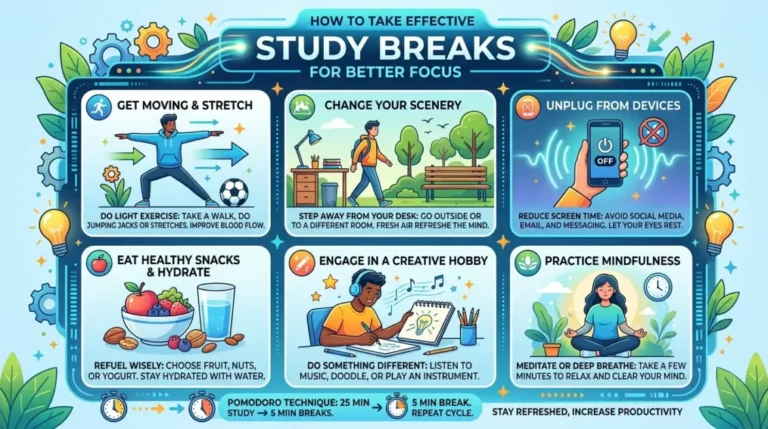
To avoid burnout:
- Take regular breaks during study sessions
- Schedule days off when needed
- Get enough sleep
- Balance learning with other activities you enjoy
Remember, online learning is a marathon, not a sprint. Sustainable effort is more important than constant intensity.
Connect Learning to Real-Life Applications
Motivation increases when you see how your learning applies to real life.
If you’re studying something abstract, try to connect it to practical situations. For example:
- Use new skills in your current job
- Work on personal projects
- Solve real-world problems
When you can see the impact of your efforts, your learning feels more meaningful and rewarding.
This is especially important for adult learners in the U.S., where career advancement and skill development are often key motivations.
Surround Yourself With Inspiration
Your environment isn’t just physical—it’s also social and digital.
Follow people, communities, and content that inspire you to keep learning. This could include:
- Educational YouTube channels
- Professional communities
- Motivational podcasts
- Success stories from people in your field
Seeing others succeed can remind you of what’s possible and reignite your motivation.
At the same time, limit exposure to content that distracts or discourages you.
Develop a Growth Mindset
Your mindset plays a crucial role in staying motivated.
A growth mindset means believing that your abilities can improve with effort and practice. Instead of seeing challenges as obstacles, you view them as opportunities to learn.
For example:
- Struggling with a concept doesn’t mean you’re not capable—it means you’re learning
- Making mistakes is part of the process
- Progress may be slow, but it’s still progress
When you adopt this mindset, setbacks become less discouraging, and you’re more likely to keep going.
Revisit and Adjust Your Goals
Sometimes, losing motivation isn’t about discipline—it’s about misalignment.
Your goals may change over time, especially during long-term learning. What once felt exciting may no longer feel relevant.
That’s why it’s important to periodically revisit your goals.
Ask yourself:
- Does this still align with my interests and priorities?
- Is my timeline realistic?
- Do I need to adjust my approach?
Making adjustments doesn’t mean you’ve failed—it means you’re being intentional about your growth.
Leverage Technology to Stay Organized
There are many tools available that can help you stay motivated and organized.
Productivity apps, calendars, and task managers can simplify your learning process. Setting reminders, scheduling sessions, and organizing materials can reduce mental clutter.
Even simple tools like a digital to-do list can make a big difference.
The goal is to reduce friction so you can focus on learning instead of logistics.
Embrace Flexibility Without Losing Discipline
One of the biggest advantages of online learning is flexibility—but it can also lead to inconsistency.
Life happens. Work schedules change, unexpected responsibilities arise, and sometimes you just need a break.
It’s okay to adjust your schedule when needed. The key is to return to your routine as soon as possible.
Avoid the “all-or-nothing” mindset. Missing one session doesn’t mean you’ve failed. What matters is getting back on track.
Celebrate the Bigger Picture
Finally, don’t lose sight of the bigger picture.
Long-term online learning isn’t just about completing a course—it’s about transforming your skills, knowledge, and opportunities.
Every lesson you complete brings you closer to your goal. Even when progress feels slow, you’re moving forward.
Take time to reflect on how far you’ve come. Compare your current knowledge and skills to where you started. That perspective can be incredibly motivating.
Final Thoughts
Staying motivated for long-term online learning isn’t about constant inspiration—it’s about building systems that support consistency, engagement, and progress.
By setting clear goals, creating a routine, designing a focused environment, and staying connected to your purpose, you can overcome the challenges that come with online education.
Motivation may come and go, but with the right strategies, your commitment doesn’t have to.
The journey may be long, but the rewards—new skills, career growth, and personal development—are well worth it.