
How EdTech Is Helping Students with Disabilities in the United States
Technology has transformed nearly every aspect of modern life, and education is no exception. In the United States, educational technology—commonly known as EdTech—is playing a powerful role in supporting students with disabilities. From personalized learning platforms to assistive communication tools, EdTech is creating more inclusive classrooms and expanding opportunities for millions of learners.
For families, educators, and school administrators across the country, understanding how EdTech is helping students with disabilities is more important than ever. With federal protections in place and innovation accelerating, technology is bridging learning gaps and empowering students to thrive academically, socially, and emotionally.
This article explores how EdTech is reshaping special education in the U.S., the types of tools making the biggest impact, and what the future holds for inclusive learning.
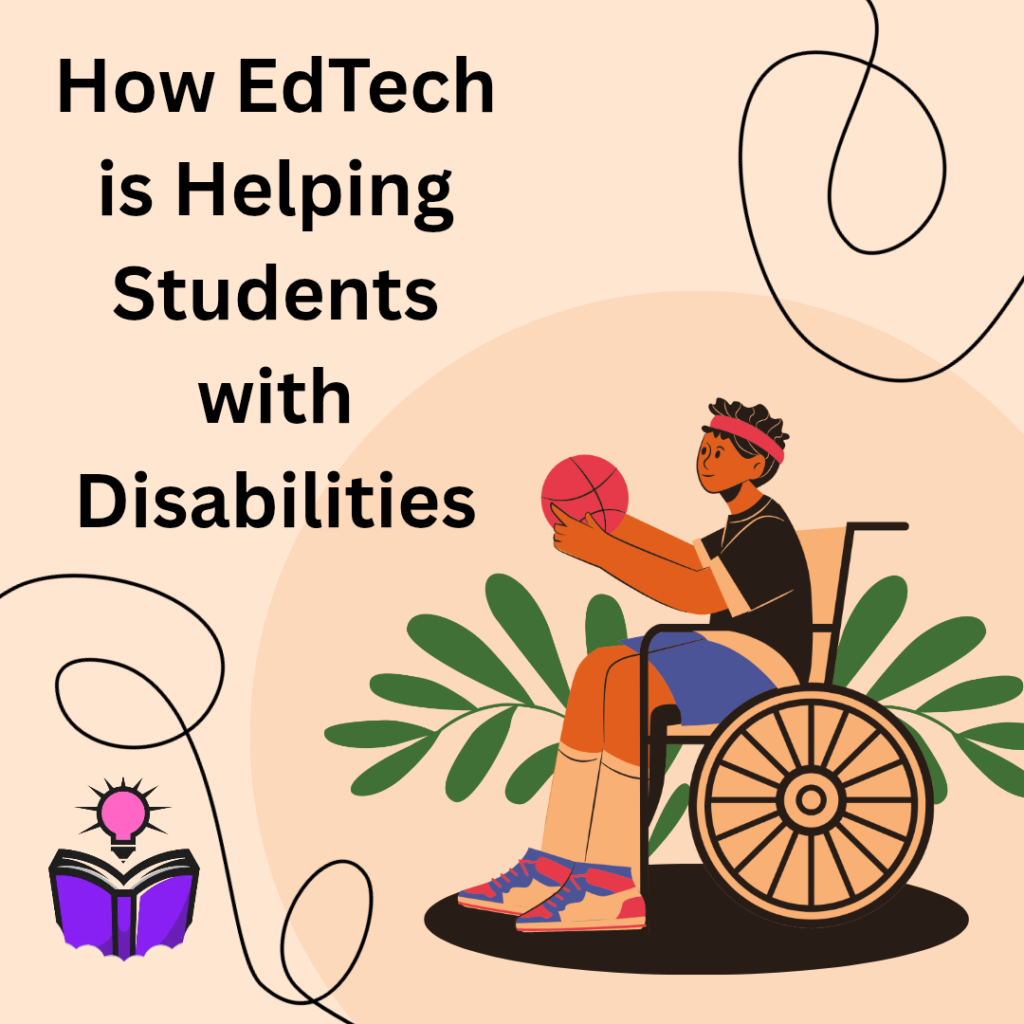
The Importance of Inclusive Education in the U.S.
In the United States, students with disabilities are protected under federal laws such as the Individuals with Disabilities Education Act (IDEA). These protections ensure access to a free and appropriate public education in the least restrictive environment. While these laws establish the framework for inclusion, technology is becoming the engine that makes true accessibility possible.
Students with disabilities represent a diverse group. They may have learning disabilities like dyslexia, physical disabilities affecting mobility, sensory impairments such as blindness or hearing loss, developmental disabilities including autism spectrum disorder, or attention-related conditions like ADHD. Each student’s needs are unique, and traditional classroom models do not always provide sufficient support.
This is where EdTech steps in—not as a replacement for teachers, but as a powerful supplement that adapts instruction, removes barriers, and enhances engagement.
Personalized Learning Through Adaptive Technology
One of the most transformative aspects of EdTech is personalized learning. Adaptive learning platforms use algorithms and real-time data to adjust content based on a student’s progress and comprehension.
For students with disabilities, this personalization is critical. Instead of being forced to keep pace with the entire class, learners can move at their own speed. If a student struggles with reading comprehension, the system can provide additional practice, simplified explanations, or multimedia alternatives.
Adaptive technology benefits students with:
- Dyslexia or other reading challenges
- ADHD who need shorter, interactive lessons
- Intellectual disabilities requiring repetition
- Processing disorders that demand flexible pacing
When lessons respond to individual performance, students gain confidence and mastery. Personalized EdTech tools help reduce frustration while maintaining high academic expectations.
Assistive Technology: Removing Learning Barriers
Assistive technology is at the heart of EdTech for students with disabilities. These tools are specifically designed to increase, maintain, or improve functional capabilities.
Text-to-speech and speech-to-text software allow students with reading or writing challenges to participate fully in classroom assignments. Screen readers help visually impaired students navigate digital content. Closed captioning supports students who are deaf or hard of hearing.
Communication devices and apps have been especially transformative for students with speech or language impairments. Augmentative and alternative communication (AAC) systems enable students to express ideas, ask questions, and engage socially.
For students with physical disabilities, specialized keyboards, eye-tracking systems, and touch-based devices make digital participation possible. What once required significant physical effort can now be achieved through intuitive interfaces.
Assistive technology doesn’t just support academic success—it promotes independence and self-advocacy.
EdTech and Students with Learning Disabilities
Learning disabilities are among the most common disabilities in U.S. schools. Conditions such as dyslexia, dysgraphia, and dyscalculia can significantly impact reading, writing, and math skills.
EdTech tools designed for multisensory learning have shown tremendous promise. Interactive reading programs combine visual, auditory, and tactile elements to reinforce comprehension. Digital graphic organizers help students structure essays more effectively. Math software breaks down complex problems into manageable steps with visual supports.
Gamification is another powerful approach. When educational content is presented as interactive challenges, students with learning disabilities often demonstrate increased engagement and persistence. Immediate feedback allows them to learn from mistakes in a low-pressure environment.
Rather than focusing solely on deficits, technology highlights strengths and encourages growth.
Supporting Students with Autism Spectrum Disorder
Students on the autism spectrum often benefit from structured environments and predictable routines. EdTech platforms can provide both.
Visual schedules, social skills simulations, and structured learning modules help students understand expectations and navigate social interactions. Video modeling tools demonstrate appropriate behaviors in different settings, allowing students to learn at their own pace.
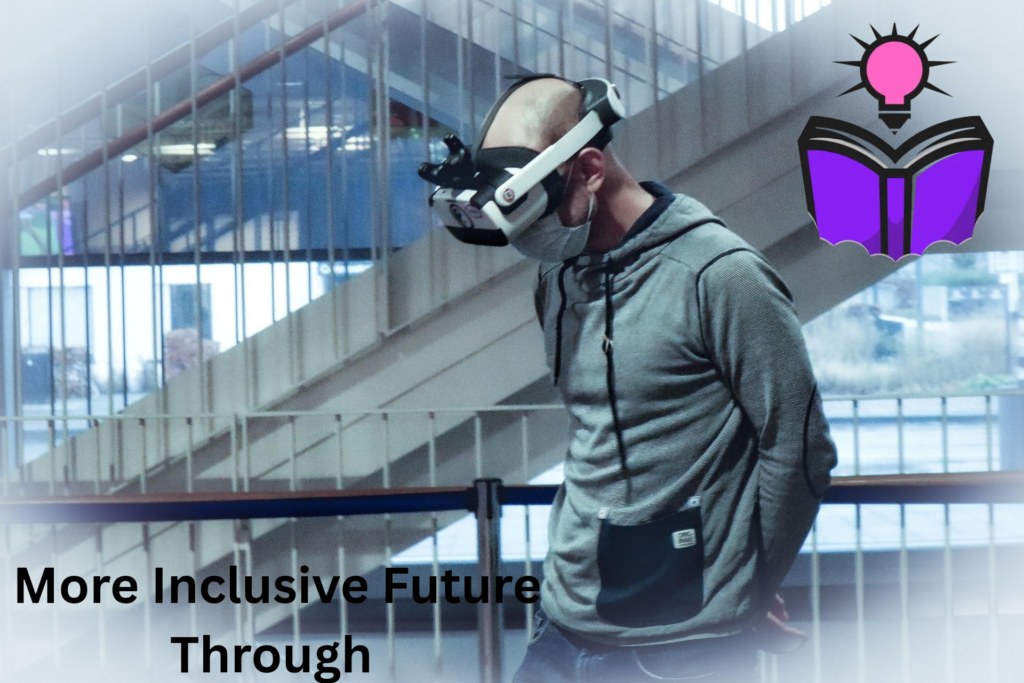
Virtual reality (VR) is emerging as an innovative tool for autism support. Simulated environments allow students to practice real-world scenarios—such as ordering food at a restaurant or crossing the street—without real-world stress.
Technology also reduces sensory overload. Digital assignments can replace handwritten tasks, and noise-canceling tools or visual adjustments can create more comfortable learning conditions.
Helping Students with ADHD Stay Focused
Attention-deficit/hyperactivity disorder (ADHD) affects many students across the United States. Traditional classroom structures can make sustained focus difficult, but EdTech introduces flexibility.
Interactive lessons, short instructional videos, and gamified quizzes align well with shorter attention spans. Many platforms include timers, progress trackers, and reward systems that motivate sustained engagement.
Digital planners and organization apps help students manage assignments and deadlines. Reminders and visual task lists support executive functioning skills, which are often challenging for students with ADHD.
By turning learning into an interactive experience rather than a passive one, technology helps students remain engaged and productive.
Accessibility Features Built into Modern Devices
One of the most exciting developments in EdTech is the widespread availability of built-in accessibility features. Many devices used in U.S. schools already include powerful tools that support students with disabilities.
Features such as voice control, magnification, color contrast adjustments, and live captioning are integrated into operating systems. This mainstream accessibility reduces stigma because students can use the same devices as their peers while customizing them to meet individual needs.
Universal Design for Learning (UDL) principles are increasingly influencing software development. Instead of creating separate tools for students with disabilities, developers design products that accommodate diverse learning styles from the start.
This shift from accommodation to inclusion marks a significant advancement in American education.
Remote Learning and Expanded Access
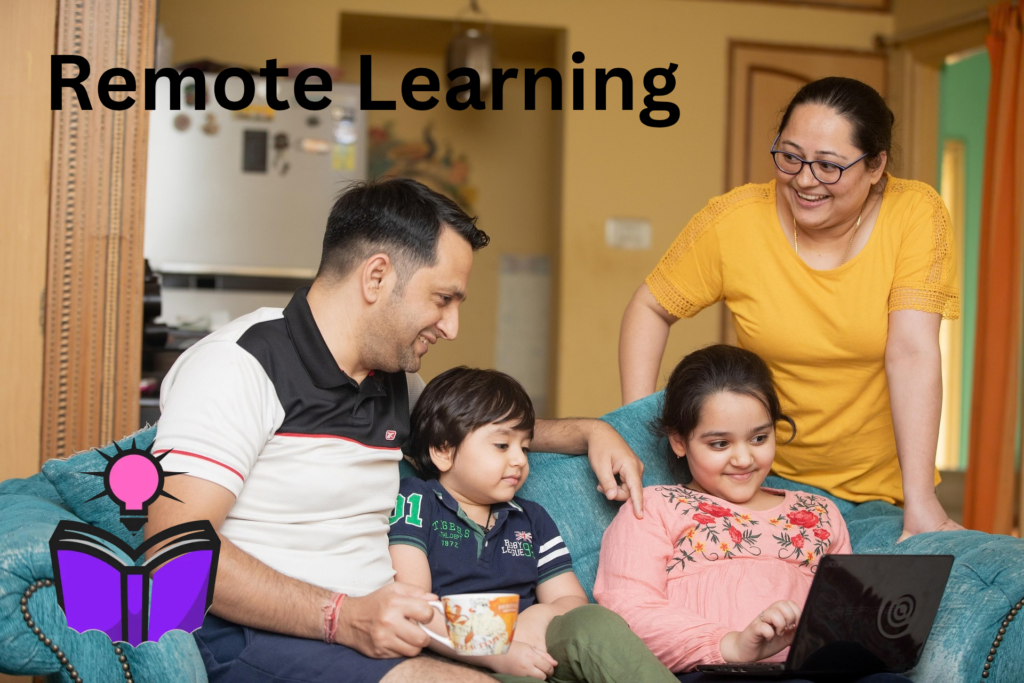
The rapid expansion of remote learning in recent years accelerated EdTech adoption nationwide. While virtual learning presented challenges, it also revealed important benefits for students with disabilities.
Online platforms offer recorded lessons that can be replayed as needed. Students who require extended time or frequent breaks can manage their schedules more flexibly. Digital submission of assignments reduces handwriting barriers.
Teletherapy services, including speech and occupational therapy sessions, became more accessible through secure online platforms. Families in rural areas particularly benefited from virtual access to specialists who may not have been available locally.
Although in-person instruction remains essential, hybrid models are opening new possibilities for accessibility.
Empowering Teachers with Data and Insights
EdTech is not only transforming student experiences—it is also equipping teachers with valuable tools.
Data analytics platforms track student performance in real time, allowing educators to identify learning gaps quickly. Instead of waiting for standardized test results, teachers can adjust instruction immediately.
For special education teachers, digital Individualized Education Program (IEP) tracking tools streamline documentation and goal monitoring. Progress reports can be generated efficiently, improving communication with families.
When teachers have access to actionable data, interventions become more targeted and effective.
Increasing Independence and Confidence
Beyond academics, EdTech fosters independence. Students who once relied heavily on adult assistance can now use digital tools to complete tasks on their own.
A student with dyslexia can listen to an audiobook while following the text. A student with limited mobility can type assignments using adaptive software. A nonverbal student can participate in discussions using communication apps.
This independence builds confidence. When students feel capable, their motivation increases. Confidence often leads to improved classroom participation, stronger peer relationships, and greater long-term success.
Preparing Students for the Workforce
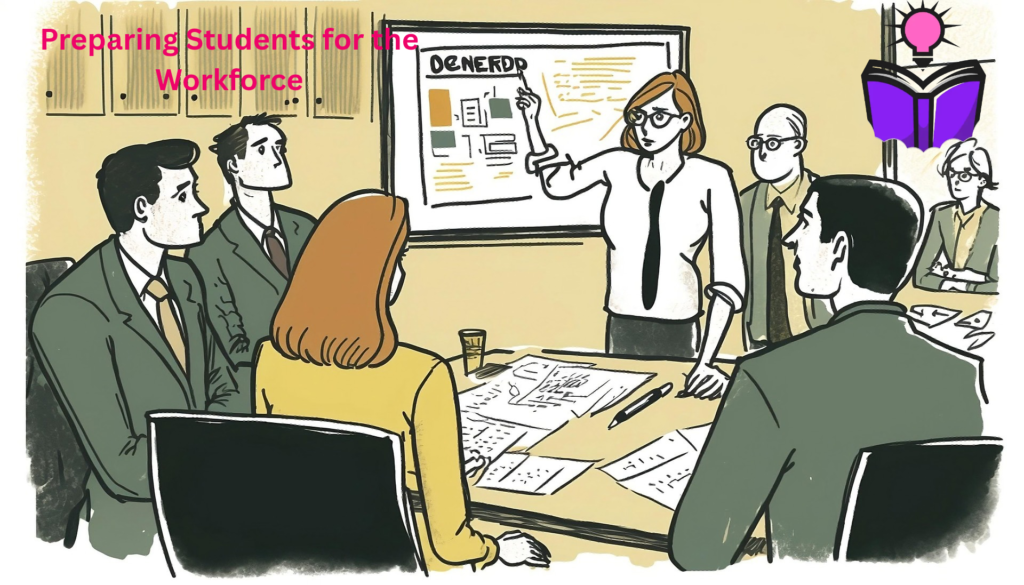
Technology skills are essential in today’s workforce. By integrating EdTech into special education, schools are not only supporting academic achievement but also preparing students for future employment.
Assistive technology used in school mirrors tools available in many workplaces. Familiarity with digital communication platforms, productivity software, and adaptive devices gives students practical experience.
Transition programs increasingly incorporate technology training, ensuring that students with disabilities graduate with both academic knowledge and real-world skills.
Challenges and Considerations
While EdTech offers enormous benefits, challenges remain. Access to high-speed internet and updated devices varies across districts. Funding disparities can impact the quality of tools available to students.
Teacher training is another critical factor. Even the most advanced technology is ineffective without proper implementation. Ongoing professional development ensures educators understand how to integrate tools meaningfully rather than using them as superficial add-ons.
Privacy and data security also require attention. Schools must comply with federal regulations protecting student information while leveraging digital platforms.
Addressing these challenges will ensure that EdTech continues to support equitable access nationwide.
The Future of EdTech and Special Education
Innovation in educational technology shows no signs of slowing. Artificial intelligence is enhancing personalized learning experiences. Speech recognition continues to improve accuracy. Virtual and augmented reality tools are becoming more affordable.
As technology advances, the focus is shifting from simply accommodating disabilities to maximizing potential. Rather than asking how students can fit into traditional systems, educators are redesigning systems around diverse learners.
Collaboration among policymakers, educators, families, and developers will shape the next generation of inclusive technology.
Why EdTech Matters for American Families
For parents and caregivers across the United States, EdTech provides reassurance. It offers tangible solutions to challenges that once seemed overwhelming.
Whether it is helping a child with dyslexia read independently, enabling a teenager with autism to practice social scenarios, or supporting a student with ADHD in managing assignments, technology opens doors.
Families are increasingly involved in selecting and using tools at home. Many platforms offer parent dashboards, allowing caregivers to monitor progress and reinforce skills outside the classroom.
Education no longer stops at the school building—it extends into homes through accessible digital tools.
Conclusion: A More Inclusive Future Through Technology
EdTech is fundamentally changing how students with disabilities learn in the United States. By removing barriers, personalizing instruction, and fostering independence, technology is helping create classrooms where every student has the opportunity to succeed.
While challenges remain, the progress is undeniable. Assistive tools, adaptive platforms, and accessible devices are making inclusion not just a legal requirement but a practical reality.
As schools continue investing in educational technology and educators refine their strategies, students with disabilities will benefit from richer, more engaging learning experiences. EdTech is not just supporting education—it is redefining what is possible.
For American students with disabilities, that future is brighter than ever.