
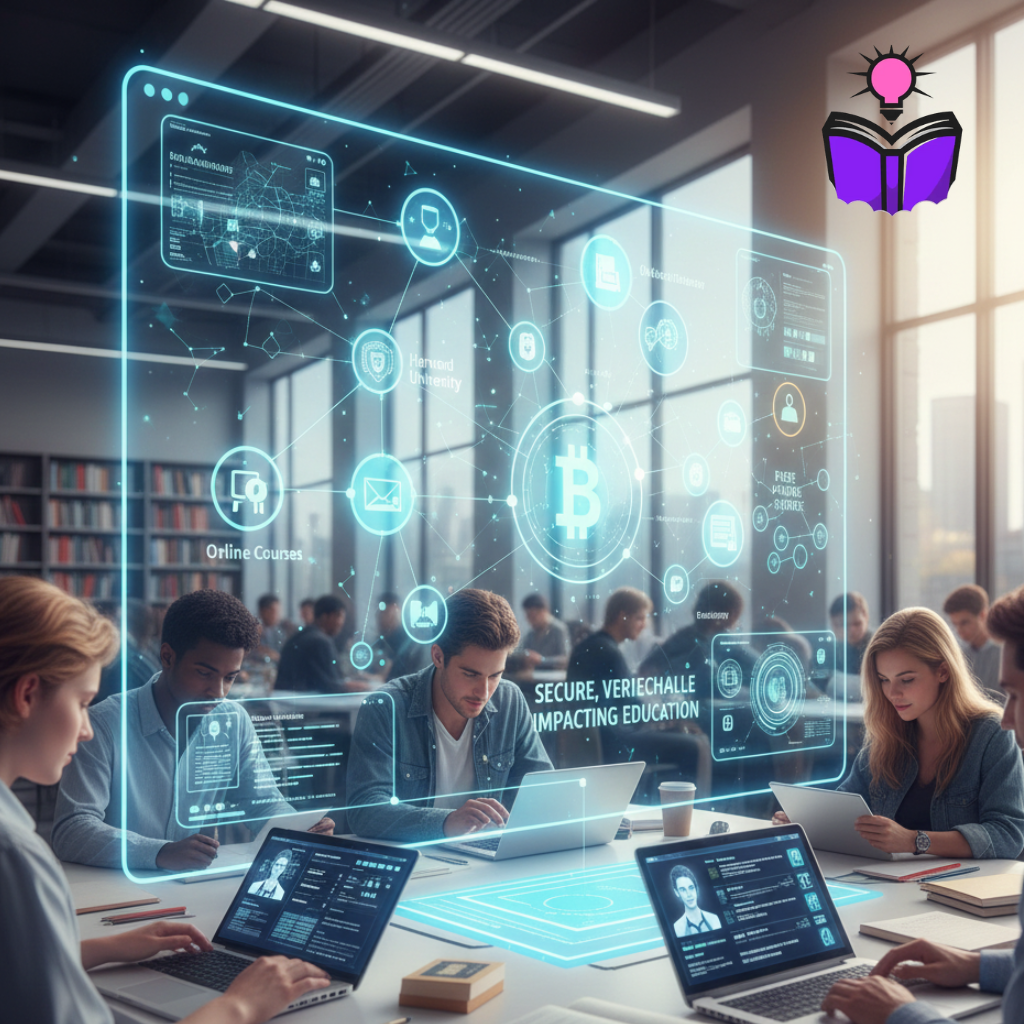
How Blockchain Is Impacting Education: The Silent Revolution Reshaping the Classroom
In the last decade, countless innovations have promised to transform education—AI, VR, gamification, smart classrooms. Yet, one technology has been quietly advancing behind the scenes, preparing for a breakthrough that could redefine how we learn, earn credentials, and build careers.
That technology is blockchain.
While often associated with cryptocurrencies, blockchain is rapidly emerging as one of the most powerful tools in modern education. From securing student records to reinventing how degrees are issued, this technology is building an ecosystem where trust, transparency, and lifelong learning are finally possible.
But how exactly is blockchain impacting education—today and in the years to come?
Let’s unravel this evolving story.
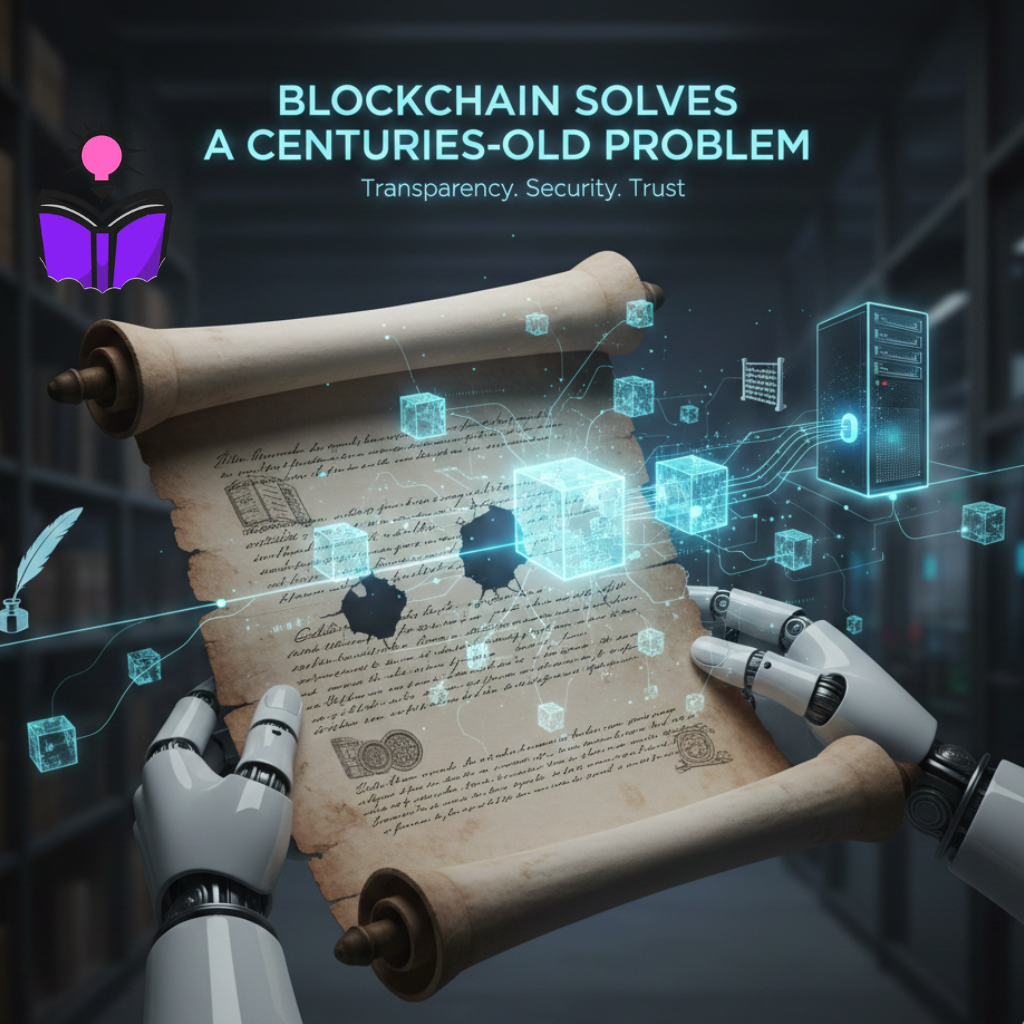
1. The Mystery of Trust: Blockchain Solves a Centuries-Old Problem
For centuries, educational institutions have held the keys to verifying a student’s identity, achievements, and qualifications. But this centralized control comes with flaws—lost documents, forged degrees, administrative backlogs, and costly verification processes.
Blockchain introduces a new twist.
With immutable, tamper-proof digital ledgers, student credentials can be securely recorded and instantly verified anywhere in the world.
No more waiting weeks for universities to confirm transcripts.
No more fear of fraudulent certificates undermining professionalism.
Blockchain doesn’t just store information—it protects it with cryptographic certainty.
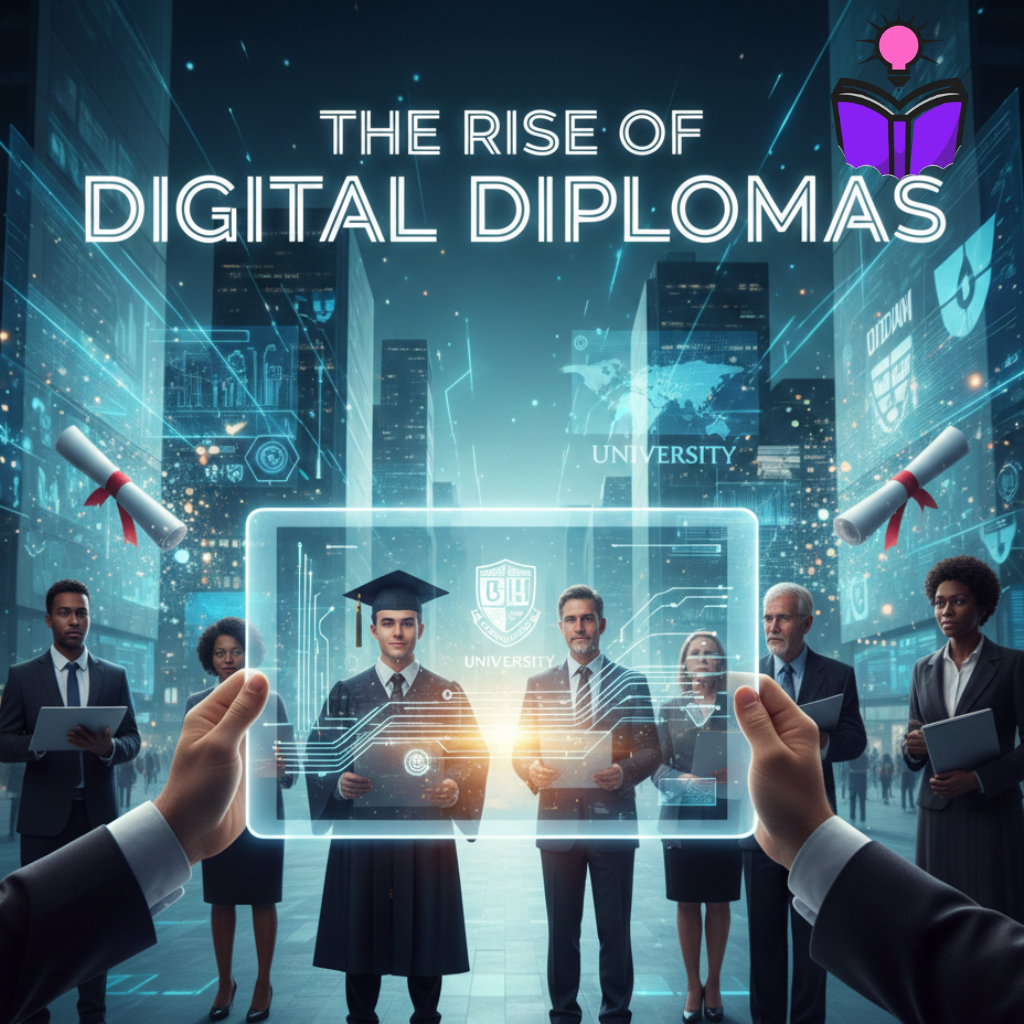
2. The Rise of Digital Diplomas and Smart Certificates
Imagine graduating from college and receiving your diploma as a digital asset—a verifiable credential stored directly in your personal wallet. This isn’t science fiction. Many institutions, including MIT, are already issuing blockchain-based diplomas.
These smart certificates offer game-changing advantages:
- Impossible to forge
- Easy to share with employers
- Permanently stored and accessible
- Secure even if the issuing institution shuts down
In a world where hiring decisions depend on accuracy and authenticity, blockchain is becoming the ultimate truth machine.
3. Lifelong Learning Becomes a Living Ledger
In today’s digital economy, learning no longer stops at graduation. People constantly earn micro-credentials, online course badges, and continuing education credits.
Here’s where blockchain steps in again.
Instead of scattered records across dozens of platforms, blockchain can unify a learner’s entire academic journey—like a living educational passport.
Every skill, course, exam, certificate, and achievement is recorded in one secure, portable, lifelong transcript.
The suspense?
This transforms hiring. Employers could instantly view verified skills, eliminating guesswork and inflated resumes.

4. Blockchain and the Battle Against Fake Degrees
Fake degrees are a global problem. Millions of fraudulent qualifications circulate every year.
Blockchain ends this—for good.
Because blockchain records cannot be altered or fabricated, employers can verify any credential with a single click.
A forged diploma becomes immediately detectable.
Trust becomes built into the system.
This shift will force entire black-market industries to collapse almost overnight.
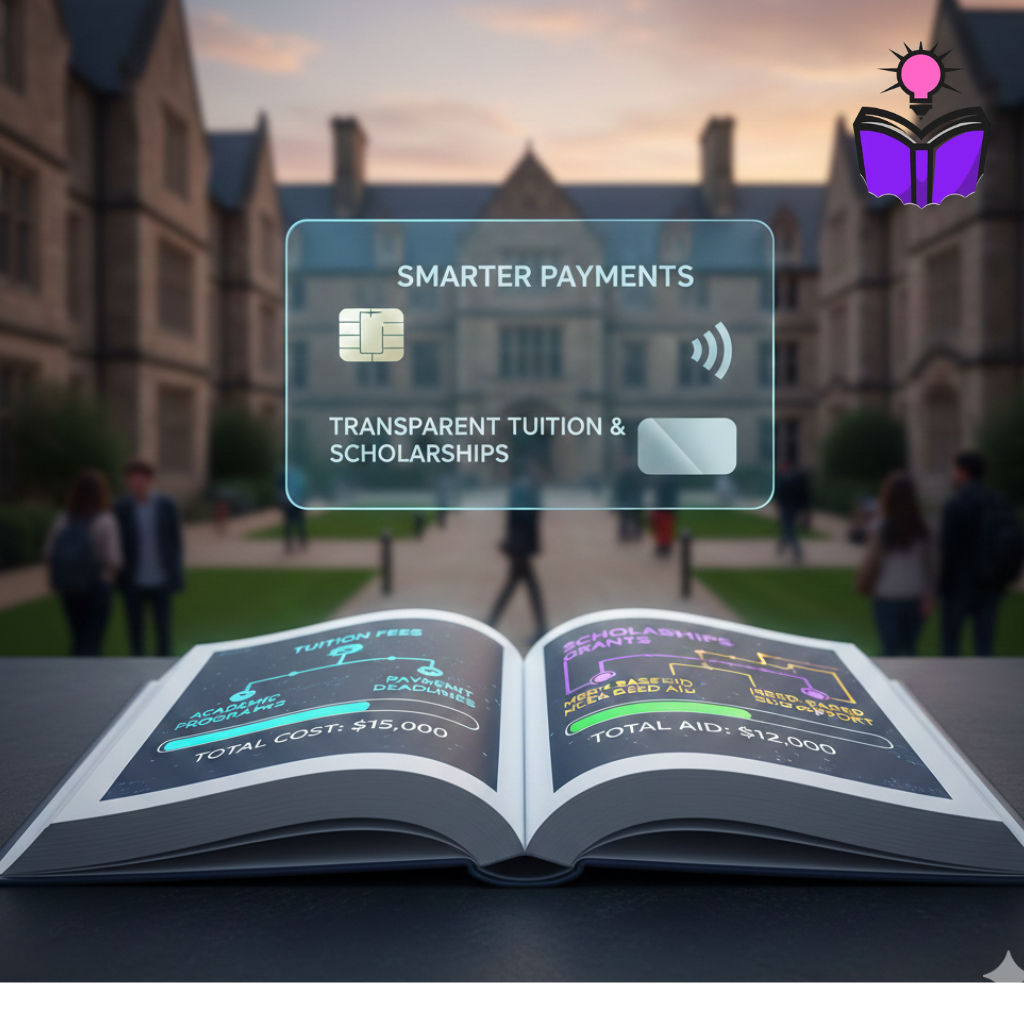
5. Smarter Payments: Transparent Tuition and Scholarships
Tuition payments, financial aid, and scholarships are often slowed down by complex administrative steps.
Blockchain simplifies everything with smart contracts—automated agreements that execute when conditions are met.
For example:
- Scholarships can release funds automatically when students meet grade requirements.
- Tuition payments can be split into smaller, programmable installments.
- Donations to schools can be transparently tracked from giver to recipient.
The suspense here lies in the possibility that blockchain could remove corruption and inefficiencies from educational finance entirely.
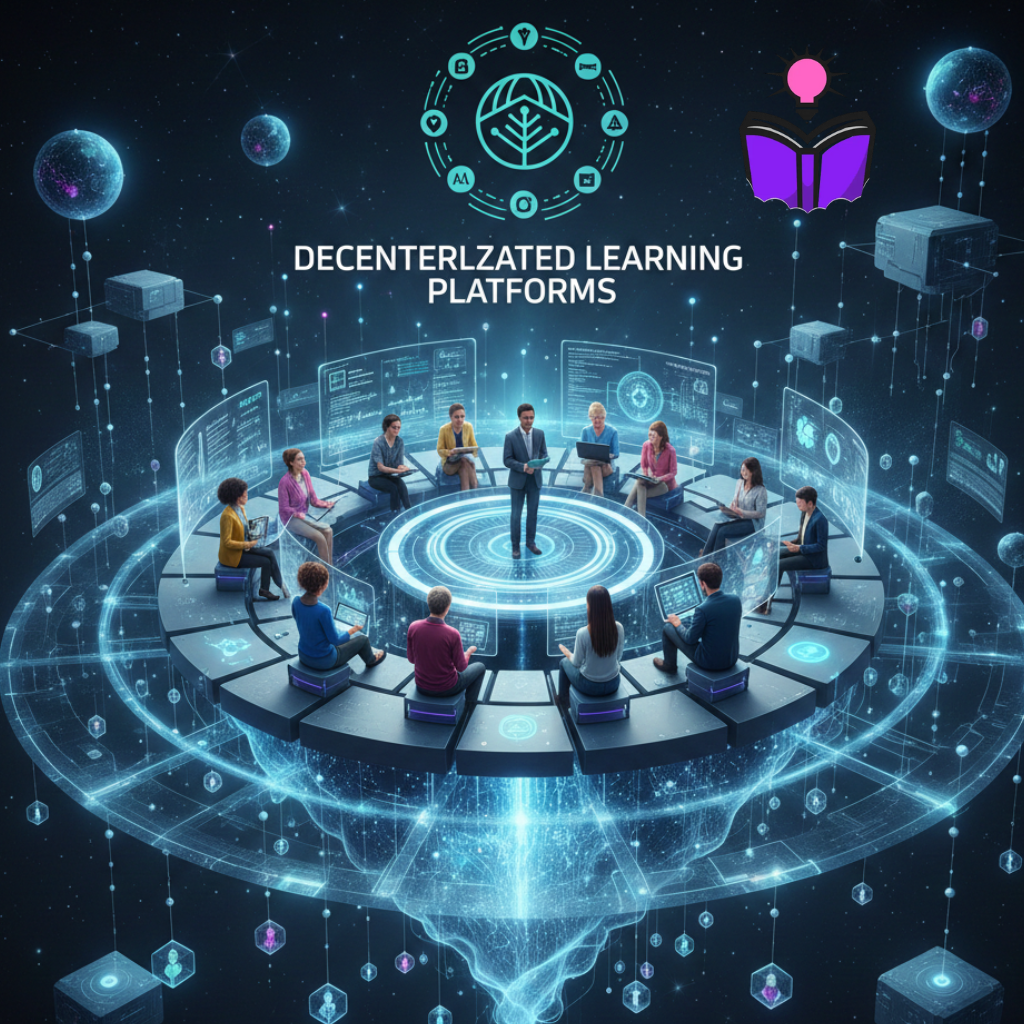
6. Decentralized Learning Platforms: No More Gatekeepers
Traditional education is often controlled by a handful of institutions and publishers. Blockchain is breaking these barriers through decentralized learning networks, where:
- Teachers publish content directly to students
- Students earn blockchain-based tokens for progress
- Peer-to-peer learning becomes the norm
- Global access to education expands dramatically
This could lead to a future where learning is not dictated by institutions but powered by communities.
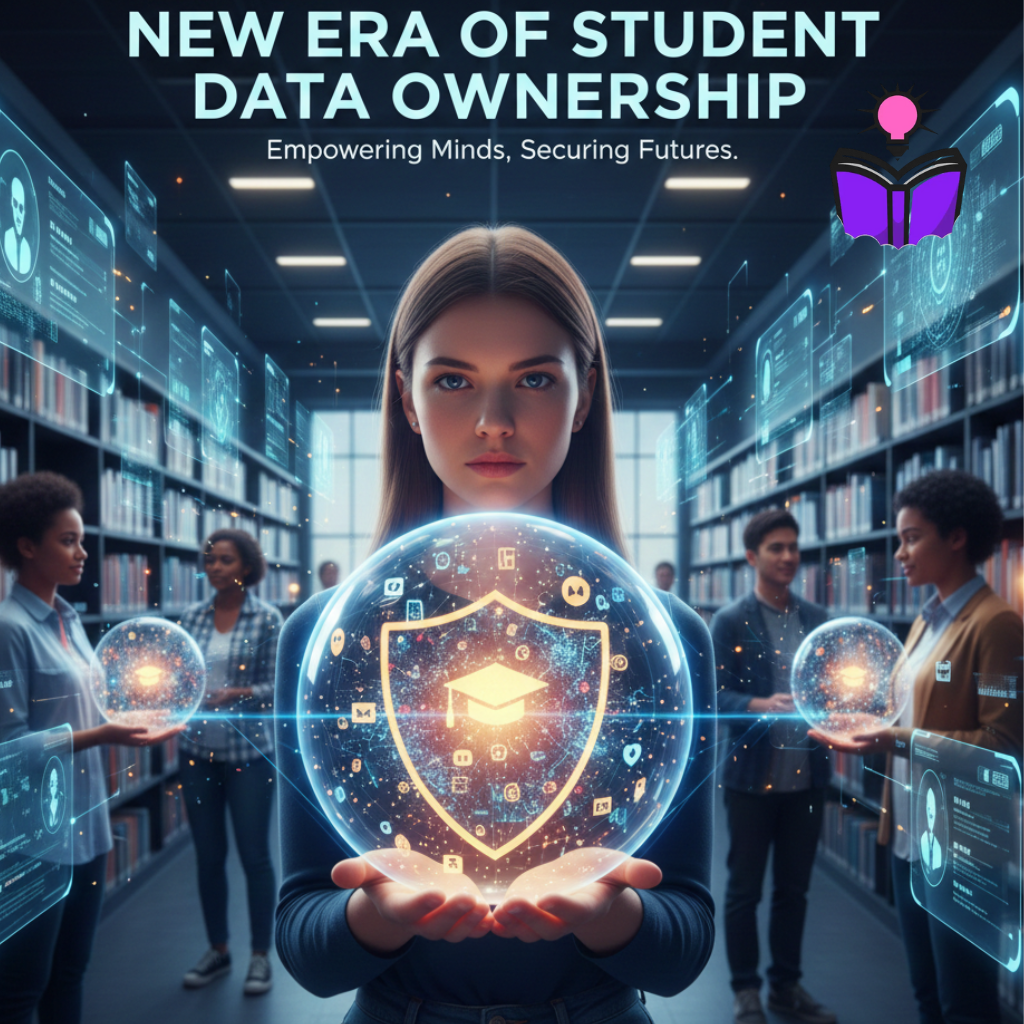
7. A New Era of Student Data Ownership
Right now, students don’t fully own their educational data—schools do.
Blockchain flips the script.
With decentralized identity systems, students could control exactly who sees their data and when.
They become the owners of their achievements, not just participants in a system.
This shift empowers learners and protects privacy in ways previously impossible.
Conclusion: The Quiet Revolution Has Already Begun
Blockchain may feel like a distant concept, but its influence on education is accelerating fast—and silently. Behind the digital walls of universities, startups, and global organizations, this technology is reshaping:
- How we learn
- How we earn credentials
- How we prove our skills
- How we build careers
The suspense isn’t about whether blockchain will impact education.
It’s about how soon this revolution will become visible in every classroom, campus, and workplace.
One thing is certain:
The future of education is on the chain—and it’s arriving faster than anyone expected