
How Education Systems Are Adapting to the Digital Age
The classroom you knew is quietly disappearing. In its place, something far more powerful is emerging.
Education systems across the world are undergoing one of the most dramatic transformations in history. Chalkboards are fading, textbooks are evolving, and learning is no longer confined to four walls. But how exactly is education adapting to the digital age—and what does it mean for students, teachers, and the future?
Let’s uncover the changes reshaping education, step by step.
The Digital Shift: Why Education Couldn’t Stay the Same
Technology has changed how we communicate, work, and think. Education systems had a choice: adapt or fall behind.
The rise of smartphones, cloud computing, and artificial intelligence made traditional teaching models feel outdated. Students today grow up in a digital world, and education systems are responding by redesigning how learning happens—making it faster, more flexible, and more personalized.
This shift isn’t optional anymore. It’s essential.
Online Learning Platforms: The New Learning Hubs
One of the biggest changes in modern education is the rise of online learning platforms.
Schools and universities now use:
- Learning Management Systems (LMS)
- Virtual classrooms
- Recorded video lessons
- Interactive quizzes and discussion boards
These tools allow students to learn anytime, anywhere. Whether it’s a recorded lecture watched at midnight or a live virtual class across time zones, education has broken free from rigid schedules.
And this is only the beginning.
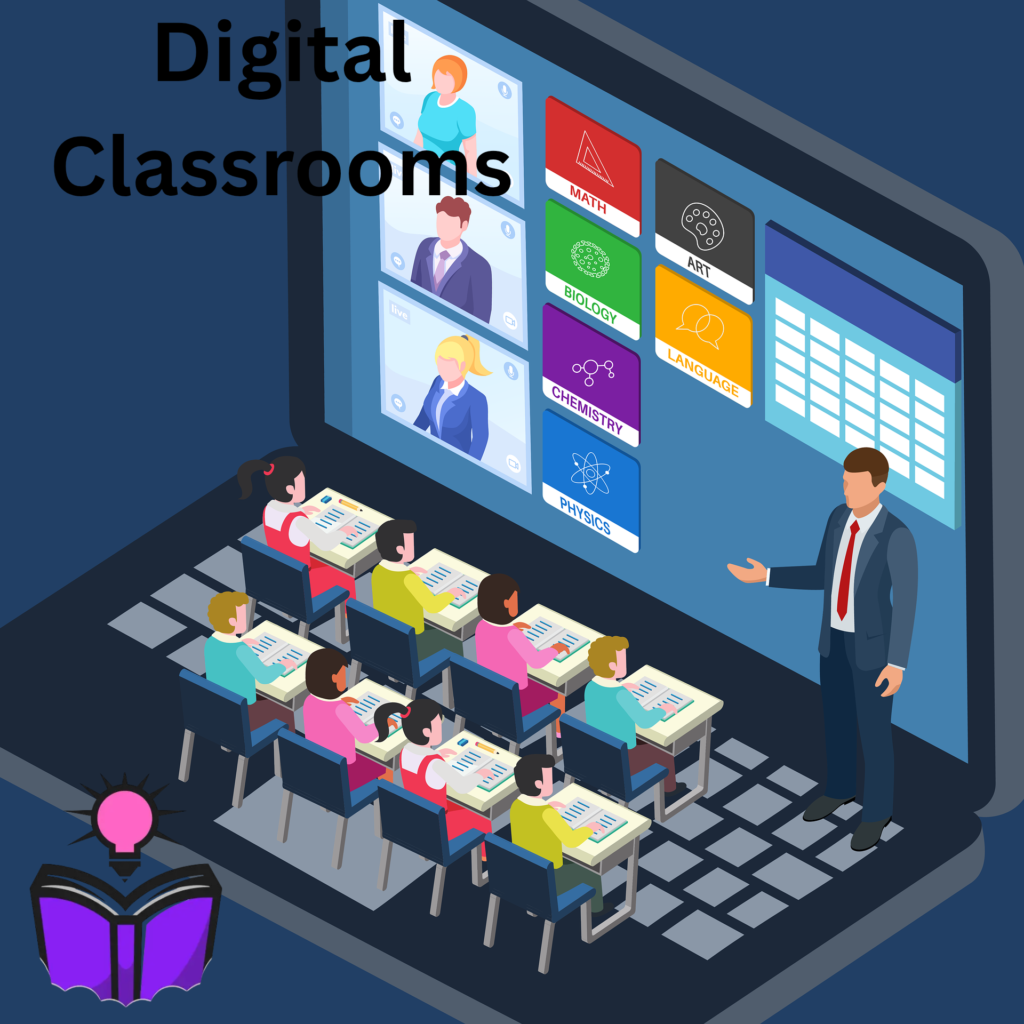
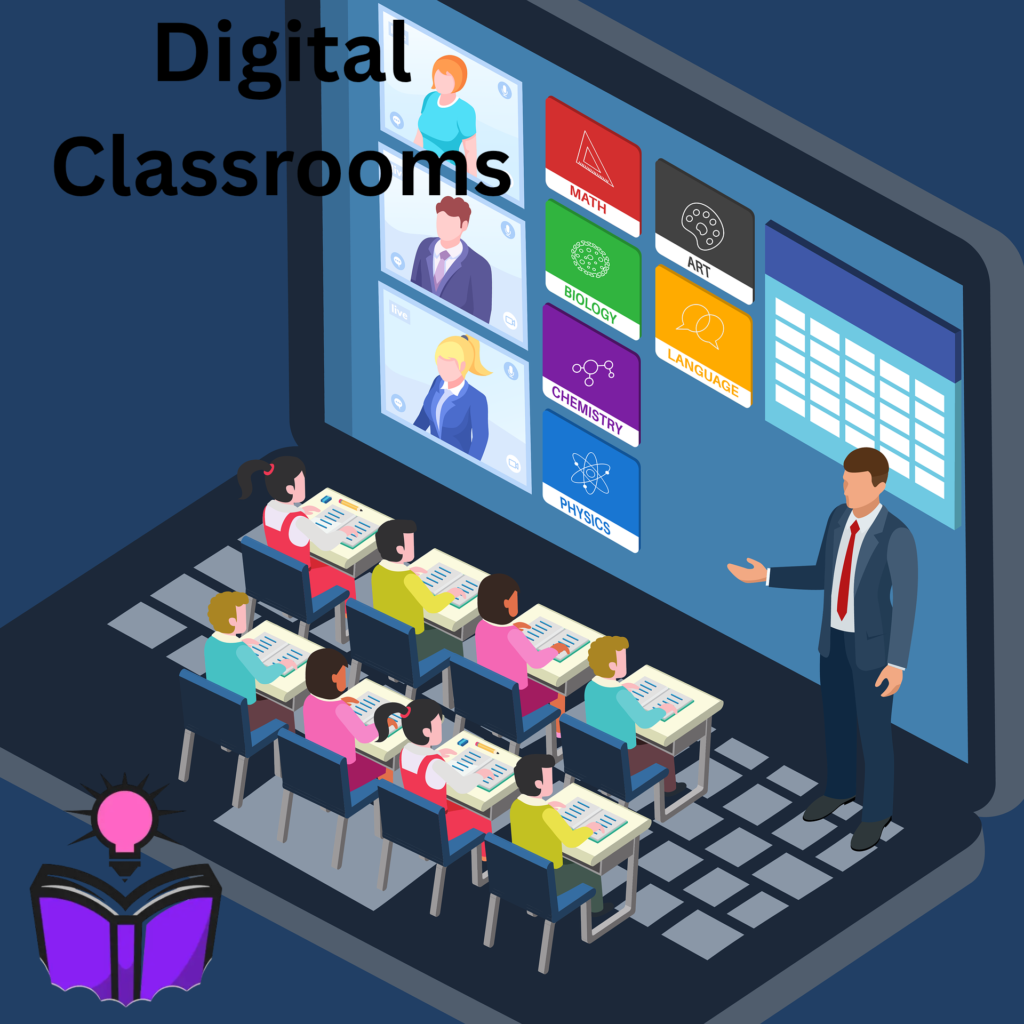
Digital Classrooms: More Than Just Screens
A digital classroom isn’t simply a physical classroom moved online—it’s a complete redesign of the learning experience.
Modern digital classrooms include:
- Smart boards and interactive displays
- Real-time collaboration tools
- Cloud-based assignments
- Instant feedback systems
Teachers can track progress instantly, while students receive personalized support. Learning becomes more engaging, data-driven, and responsive.
Suddenly, education feels alive.
Personalized Learning Through Technology
Here’s where things get truly interesting.
Digital tools allow education systems to move away from “one-size-fits-all” teaching. With adaptive learning software, lessons adjust based on:
- Student performance
- Learning speed
- Strengths and weaknesses
This means students can learn at their own pace, revisit difficult topics, or move ahead when ready. Personalized learning is no longer a dream—it’s a digital reality.
The Role of Artificial Intelligence in Education
Artificial intelligence (AI) is quietly revolutionizing education behind the scenes.
AI is being used to:
- Recommend customized learning paths
- Automate grading and feedback
- Identify learning gaps early
- Support teachers with data insights
Rather than replacing teachers, AI enhances their ability to focus on creativity, mentorship, and human connection—things technology can’t replace.
Bridging the Gap: Digital Skills for the Future
Education systems are no longer just teaching subjects—they’re teaching skills for a digital future.
Today’s curriculum increasingly includes:
- Digital literacy
- Coding and computational thinking
- Online research skills
- Cyber safety awareness
These skills prepare students for a world where digital competence is as essential as reading and writing.
The goal isn’t just education—it’s future readiness.
Challenges Along the Way
The digital transformation of education isn’t without challenges.
Some of the key obstacles include:
- Unequal access to technology
- Training educators for digital tools
- Balancing screen time with well-being
- Protecting student data and privacy
Education systems are actively working to solve these issues, ensuring digital learning remains inclusive, safe, and effective.
What the Future of Education Looks Like
So, where is all this heading?
The future of education will likely be:
- Hybrid (combining online and in-person learning)
- Technology-supported, not technology-controlled
- Student-centered and skill-focused
- Globally connected
Learning will no longer be a phase of life—it will be a lifelong digital journey.
Final Thoughts: A Transformation Still Unfolding
Education systems aren’t just adapting to the digital age—they’re being redefined by it.
What’s happening now is more than a trend. It’s a transformation that will shape how future generations learn, think, and create. The classroom of tomorrow is already here, quietly evolving—one digital innovation at a time.
And the most exciting part?
We’re only at the beginning.
SEO Keywords Used Naturally:
- Education systems
- Digital age education
- Online learning
- Digital classrooms
- Educational technology
- Future of education
- Personalized learning
- AI in education
If you want, I can also:
- Optimize it for Google featured snippets
- Add meta title & meta description
- Rewrite it for higher readability or younger audiences
- Convert it into a school or student-friendly version
j