
How New Policies Are Shaping Education in 2025: What Students, Parents, and Educators Must Know
Education in 2025 is not what it used to be—and that’s no accident.
Behind the scenes, new education policies are quietly rewriting how students learn, how teachers teach, and how schools prepare young people for the future. Some changes are already visible. Others are just beginning to unfold. And the most surprising part? The biggest impacts are only just starting.
In this in-depth guide, we’ll explore how new policies are shaping education in 2025, why they matter, and what they mean for the next generation.
Why Education Policies in 2025 Matter More Than Ever
Education policies don’t just affect classrooms—they shape careers, economies, and entire societies. In 2025, policymakers are responding to rapid changes in:
- Technology and artificial intelligence
- Workforce demands
- Mental health awareness
- Equity and access to education
- Global competition and innovation
The result? A wave of reforms that are transforming education at every level.⁸
1. The Shift Toward Skills-Based Learning
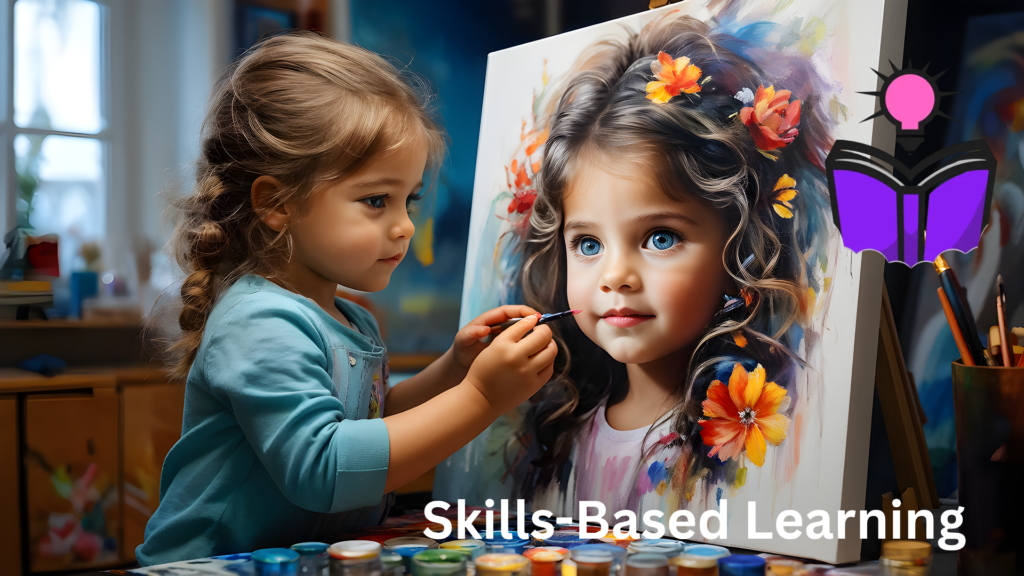
One of the most significant education trends in 2025 is the move away from rote memorization and toward skills-based education.
What’s Changing?
New policies emphasize:
- Critical thinking and problem-solving
- Digital literacy and AI awareness
- Communication and collaboration skills
- Real-world applications of knowledge
Why It Matters
Employers are demanding adaptable, creative thinkers. Education policies now reflect this reality, pushing schools to prepare students for jobs that may not even exist yet.
This shift sounds exciting—but it also raises big questions about testing, grading, and traditional academic systems.
2. Technology Integration Is No Longer Optional
In 2025, technology in education is no longer a bonus—it’s a requirement.
Policy-Driven Tech Advancements Include:
- Expanded use of AI-powered learning tools
- Personalized learning platforms
- Hybrid and blended learning models
- Digital assessments replacing paper-based exams
These policies aim to make learning more flexible and personalized. But critics warn: Are schools moving too fast?
3. Mental Health Takes Center Stage
For the first time, mental health support is becoming a core part of education policy.
New Focus Areas:
- Reduced academic pressure in early grades
- School-based mental health programs
- Training teachers to recognize burnout and anxiety
- Policies promoting healthier school-life balance
This marks a powerful shift—acknowledging that student success isn’t just academic, but emotional too.
4. Equity and Access Are Being Redefined
Education policies in 2025 place a strong spotlight on closing learning gaps.
Key Policy Goals:
- Equal access to digital tools and internet connectivity
- Inclusive curricula that reflect diverse perspectives
- Support for underserved and rural communities
- Expanded financial aid and scholarship programs
The goal is ambitious: no student left behind in a rapidly evolving world.
But will funding and implementation keep up with policy promises? That’s the suspense unfolding right now.
5. Teachers Are Facing a New Era
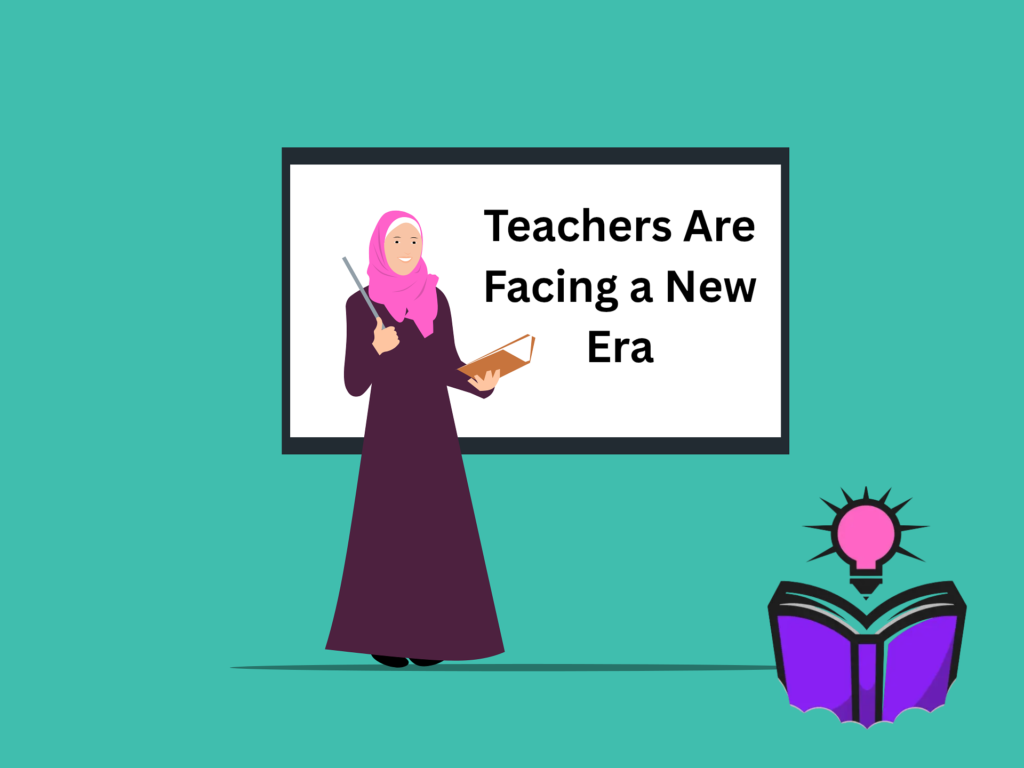
Teachers are no longer just instructors—they’re facilitators, mentors, and tech navigators.
Policy Changes Affecting Educators:
- New certification and training requirements
- Ongoing professional development in technology
- Performance evaluations tied to student engagement
- Greater emphasis on adaptability and innovation
These changes aim to empower teachers—but they also bring new challenges and expectations.
6. Higher Education Is Being Reimagined
Colleges and universities are undergoing major transformations in 2025.
Policy Trends in Higher Education:
- Short-term credentials and micro-degrees
- Stronger links between education and employment
- Flexible learning pathways
- Increased accountability for student outcomes
Traditional degrees are no longer the only path to success—and policies are finally reflecting that reality.
What Comes Next? The Future of Education Beyond 2025
Here’s the suspenseful truth: we’re only at the beginning.
Many education policies introduced in 2025 are experimental. Their long-term impact will depend on:
- How schools implement them
- How teachers and students adapt
- How governments respond to early results
The classroom of the future is being built right now—and every policy decision matters.
Final Thoughts
How new policies are shaping education in 2025 is a story of change, opportunity, and unanswered questions. From technology-driven learning to mental health support and skills-based education, these reforms are redefining what it means to learn and succeed.
One thing is certain: education will never be the same again.
👉 Stay informed. Stay curious. The future of learning is unfolding before our eyes.
SEO Keywords Used:
Education policies 2025, future of education, education reform 2025, technology in education, skills-based learning, mental health in schools, education trends 2025