
How Remote Learning Is Revolutionizing Education in 2025
In 2025, the world of education is undergoing a transformation so profound that few could have foreseen it just a decade ago. The traditional classroom—with its chalkboards, rigid schedules, and seats all in neat rows—is no longer the only arena for learning. A new frontier has emerged: remote learning, reimagined, accelerated, and broadly adopted.
But this isn’t just about sitting in front of a video call. It’s about reshaping what “school” means, who gets access, and how knowledge is acquired. Let’s step into the suspenseful, intriguing story of how remote learning is changing education in 2025—why it matters, how it works, and what comes next.

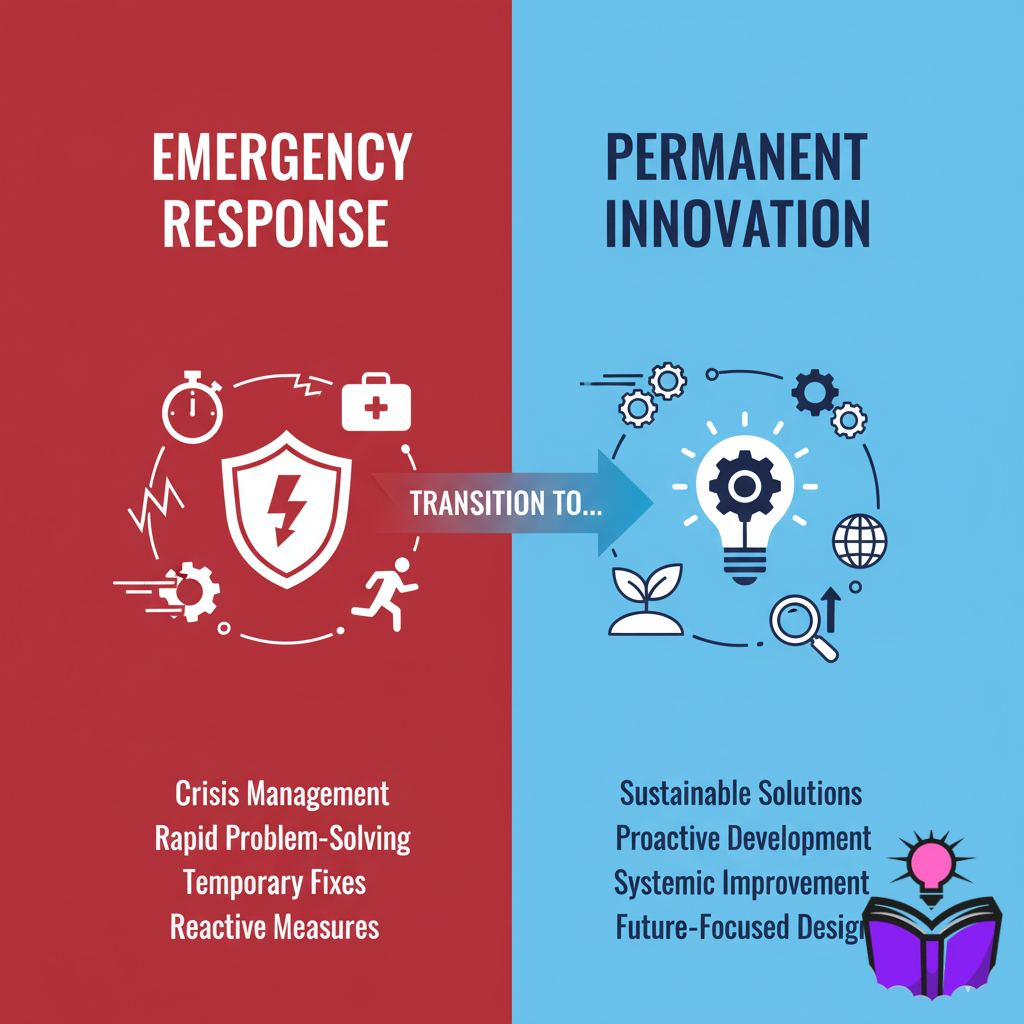
The Plot Twist: From Emergency Response to Permanent Innovation
The first stage of remote learning’s surge came during a crisis: when global lockdowns forced schools to shut down, many switched swiftly to online classes. That was reactive—necessary, but temporary. What we’re witnessing now in 2025 is far different: the shift has become strategic.
- The global market for remote-learning technologies is expected to reach around USD 102.7 billion in 2025.
- Analysts predict this market will continue growing at a compound annual growth rate (CAGR) of ~16.3% through 2035.
- Remote learning is no longer a fallback—it’s becoming a core component of how education is delivered.
This evolution raises a charged question: If remote learning works—and increasingly well—why go back to the old model? That question is rewriting the rules of education.
Why It Matters: The Stakes Are Higher Than Ever
1. Democratizing Access
With remote learning, geographical barriers fade. A student in a remote village can attend the same high-quality course as one in a major city—provided the connectivity and infrastructure exist.
“Students in far-flung locations can get involved in live classes, expose educational materials, and communicate … from anywhere at any time.” i

2. Personalizing Learning
No longer must every student sit through the same lesson at the same pace. Remote platforms increasingly use AI and analytics to tailor learning to individuals.
- AI-driven systems are improving retention significantly.
- Personalized paths—choose your pace, your course, your challenge.
3. Leveraging Technology for Engagement
Tech is making learning immersive and interactive in ways we only dreamed of. Virtual labs, augmented reality (AR), gamified tasks—they are part of the story now.
“VR/AR bring lessons to life: students can walk through ancient Rome or conduct virtual science experiments.”
4. Facing Global Challenges
Disruptions from health crises, climate change, or socio-economic shifts no longer derail education entirely—remote models build resilience.
In short: remote learning is not just a convenience—it is transformative. And that transformation carries suspense because it challenges the status quo.

The Mechanics: How Remote Learning Looks in 2025
Hybrid Models Win
Completely remote isn’t always ideal—but mixing physical and virtual is emerging as the default. Schools and universities adopt hybrid approaches: part in-person, part online.
AI and Analytics in the Driver’s Seat
From adaptive quizzes to performance dashboards—educators now monitor and respond to learners in real time.
Immersive Tech Enters the Classroom
Whether you’re studying biology via a VR simulation of a cell, or exploring history through an AR reconstruction, immersive tools are no longer optional—they’re becoming standard.
Focus on Skills and Credentials
The emphasis is shifting from long degrees to targeted skills, micro-credentials, and modular learning—especially for remote learners and professionals.
Infrastructure and Policy Catching Up
In countries like Pakistan and others, government-EdTech partnerships, offline pods, low-bandwidth solutions are emerging to close the digital divide.

The Suspense: What Could Go Wrong? What’s at Risk?
As promising as remote learning is, the path isn’t free of pitfalls—and here’s where the tension builds
- Digital divide: Not all students have stable internet, devices, or quiet places to learn. Remote’s promise is conditional on access.
- Teacher training: Teachers must adapt—digital pedagogy, tech-tools, remote engagement. Without support, remote learning can falter.
- Engagement and attention: Being physically removed from a teacher and peers can lead to drop-off, especially if the design is weak.
- Quality vs quantity: Just because learning happens remotely doesn’t guarantee quality. Ensuring standards, academic integrity, effective assessment matter more than ever.
- Equity issues: Will remote learning deepen divisions between those who can access the tools and those who can’t?
The suspense is real: one wrong turn and the revolution stalls. But if these risks are addressed, the payoff could be legendary.

The Future: What Happens Next?
By 2025 and beyond, remote learning is poised to become normalised—not just for crisis use or as a supplement, but as a mainstream mode of education. Some trends to watch:
- Education systems will increasingly adopt flexible credentials and alternative pathways (micro-certs, stackable modules).
- Immersive tech will scale—from elite institutions to broader K-12 settings.
- Education will increasingly be data-driven, with analytics guiding curriculum design, learner intervention, and resource allocation.
- Global collaboration: students in Pakistan, Nigeria, Brazil may collaborate in the same virtual classroom, interacting across borders.
- Focus on lifelong learning will grow—remote models enable upskilling at any age.
This new era offers both opportunity and challenge: the question is not if remote learning will shape education, but how well we adapt to it.
Conclusion: A Revolution Unfolding
As we stand in 2025, remote learning is no longer a side-note—it is a headline. The walls of the classroom have decayed, replaced by networks, platforms, immersive spaces. The story of education is being rewritten.
For educators, students, policymakers and tech-innovators, the task is clear: harness this revolution responsibly. Ensure access, maintain quality, support teachers, bridge the divide. Because the stakes are high: we aren’t just changing how education is delivered—we’re changing who gets to learn, how they learn, and what that learning enables.
The scene is set. The actors are engaged. The journey ahead is full of suspense—and full of promise.
SEO Keywords to note: remote learning 2025, how remote learning is revolutionizing education, remote education trends, hybrid learning models, AI-personalised learning, immersive education technologies.