
“How to Avoid the Most Common Study Mistakes”
Good results
Ever wondered why some students study less but score higher? The truth might shock you — it’s not about studying harder, it’s about studying smarter. Most learners fall into hidden traps that silently drain their productivity. These are the most common study mistakes, and avoiding them could completely change how you learn. Let’s uncover them one by one before they ruin your next exam!

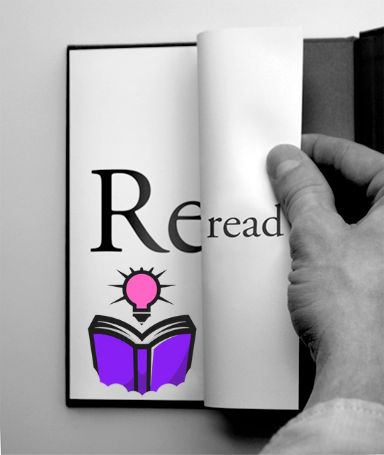
2. Rereading Isn’t Studying — It’s a Trap!
Many students mistake rereading notes for real learning. But rereading only tricks your brain into feeling familiar with the material. When the exam comes, your mind goes blank.
The Fix: Replace passive reading with active recall — quiz yourself, write summaries, or explain the topic to a friend. This builds stronger neural connections and locks the information in your long-term memory.
3. Ignoring Sleep — The Hidden Enemy of Memory
Cramming all night before an exam might seem heroic, but it’s scientifically proven to destroy memory retention. Sleep is when your brain organizes and strengthens what you’ve learned.
The Fix: Get at least 7–8 hours of sleep before important study sessions. Think of it as your brain’s “save button.” Without sleep, all that hard work might never be stored properly.
4. Skipping Breaks — Burning Out Without Knowing It
You’ve probably told yourself, “Just one more chapter and I’ll rest.” But that’s a trap. Continuous studying lowers your attention span and reduces comprehension.
The Fix: Schedule planned breaks. Take a short walk, stretch, or listen to music. This recharges your brain and prepares it for the next deep dive into your books.
5. Studying Without a Plan — The Recipe for Chaos
Imagine starting a journey without a map. That’s exactly what studying without a plan looks like. You may feel busy but achieve nothing.
The Fix: Begin every session with a SMART goal — Specific, Measurable, Achievable, Relevant, and Time-bound. For example, “I’ll complete three math exercises in 40 minutes” is more powerful than just “I’ll study math.”
It’s human nature to focus on what we’re good at. But neglecting weaker areas creates academic blind spots that come back to haunt you.
The Fix: Create a balance sheet of subjects. Give extra time to topics that scare you. Divide your time based on difficulty, not comfort. Remember — the topics you avoid are the ones that decide your final grade.u

7. Studying Alone All the Time — The Confidence Illusion
Many students think group study is a waste of time, but studying alone can create overconfidence. You think you’ve mastered everything — until a friend asks a question you can’t answer.
The Fix: Mix it up. Try study groups once a week. Teaching or debating topics with others helps identify knowledge gaps and strengthens your understanding
8. No Revision Strategy — Forgetting What You Learned
You can’t remember everything you study once — it’s just how the brain works. Without revision, your memory fades within days.
The Fix: Use spaced repetition. Review notes after one day, one week, and one month. This method strengthens memory pathways and makes information stick permanently.
9. Studying in a Messy Environment — The Distraction Trap
Your study space affects your brain more than you think. A cluttered desk equals a cluttered mind.
The Fix: Keep your environment minimal and distraction-free. Clean desk, proper lighting, and all materials ready before you start. You’ll be surprised how much more you absorb.
10. Comparing Yourself to Others — The Motivation Kille
You might think comparing your progress with others will push you to do better. But it actually creates anxiety and lowers confidence.
The Fix: Focus on your own growth curve. Everyone learns differently. Your goal isn’t to be the best — it’s to be better than yesterday.

Conclusion — Learn Smart, Not Hard
Avoiding these study mistakes isn’t about perfection; it’s about awareness. Every mistake you stop making adds hours of efficiency to your learning routine. Start small — one habit at a time.
Your future success doesn’t depend on how much time you study — it depends on how wisely you use that time. So, the next time you sit down with your books, ask yourself — Am I learning smart, or just studying hard?
.