
How to Balance Work and Online Learning: The Smart Strategy No One Tells You About
Balancing work and online learning can feel like walking a tightrope—one misstep, and everything comes crashing down. Deadlines pile up. Notifications never stop. Your energy runs low, yet expectations stay high.
But here’s the surprising truth: people who master this balance aren’t working harder—they’re working smarter.
In this guide, you’ll discover practical, research-backed strategies to successfully manage your job while excelling in online learning—without burnout. Stay with me, because the final tip is often the game-changer most learners overlook.
Why Balancing Work and Online Learning Is So Challenging
Online learning promises flexibility, but flexibility comes with hidden pressure.
You’re expected to:
- Perform consistently at work
- Meet academic deadlines
- Stay motivated without physical classrooms
- Manage time independently
According to education experts, the biggest struggle isn’t intelligence—it’s time and energy management. Without a clear system, even the most motivated learners fall behind.
But balance is possible.
Step 1: Set Clear, Non-Negotiable Priorities
The secret to balancing work and online education starts with clarity.
Ask yourself:
- What is my primary goal right now?
- Which tasks directly support that goal?
- What can wait—or be eliminated?
Action Tip:
Create three priority categories:
- Must-do (work shifts, exams, deadlines)
- Important (assignments, revision, skill building)
- Optional (social media, binge watching, distractions)
When everything feels urgent, nothing truly is.
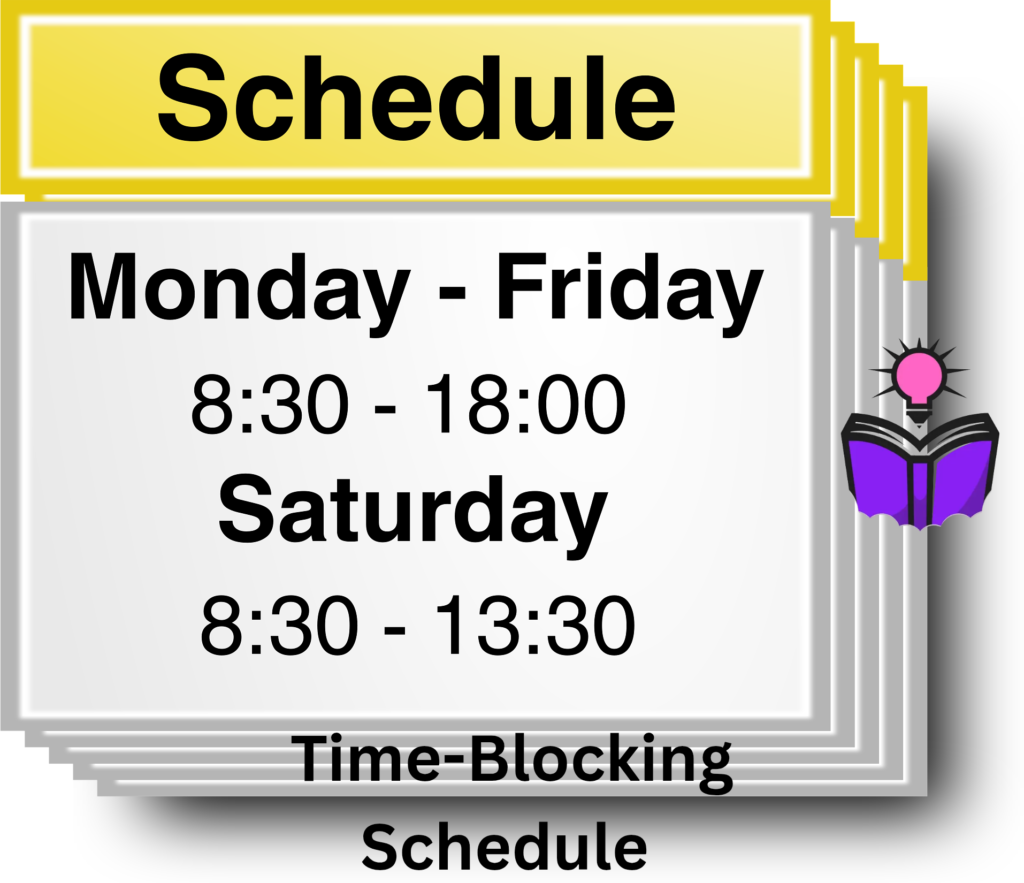
Step 2: Create a Time-Blocking Schedule That Actually Works
Here’s where most people fail—they plan perfectly, but unrealistically.
Instead of cramming study hours into random gaps, block specific time slots for learning, just like work meetings.
Example:
- Morning (30–45 mins): Video lectures or reading
- Evening (1 hour): Assignments or revision
- Weekend: Deep focus sessions
This method reduces decision fatigue and builds consistency.
SEO Tip for learners: Consistency beats intensity every time.
Step 3: Design a Distraction-Free Learning Environment
Online learning competes with everything—phones, emails, family, and fatigue.
Your brain needs signals.
Optimize Your Study Space:
- Use a dedicated desk or corner
- Keep only learning materials nearby
- Turn off non-essential notifications
- Use noise-canceling headphones or focus music
When your environment supports focus, learning becomes faster—and less exhausting.
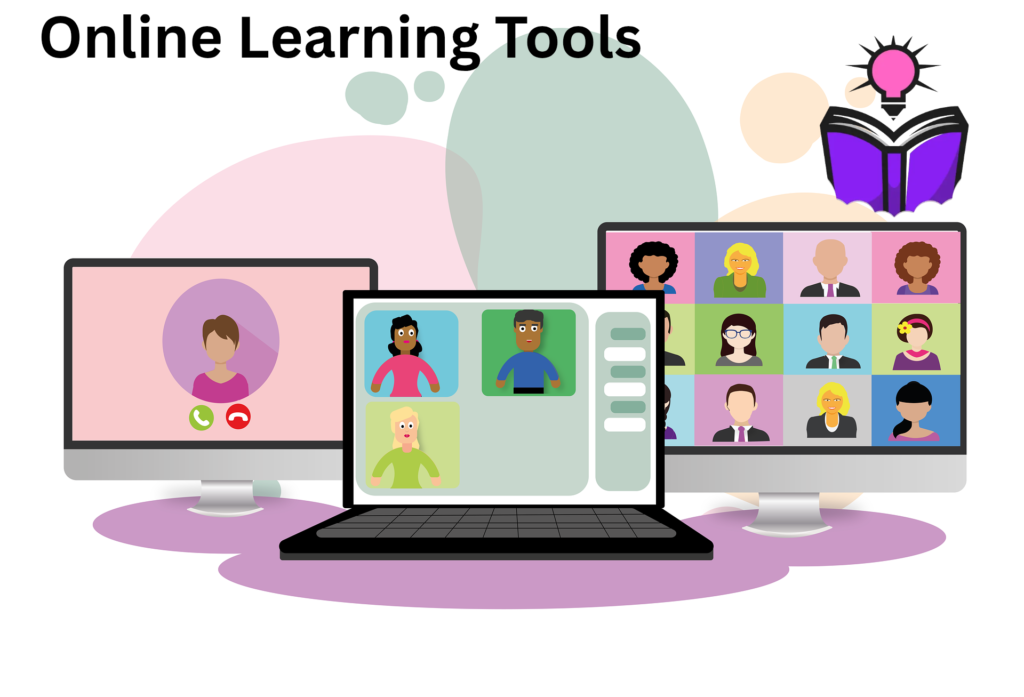
Step 4: Use Smart Online Learning Tools (Not More Tools)
More apps don’t mean more productivity.
The smartest learners rely on simple, powerful tools:
- Digital calendars for deadlines
- Task managers for daily goals
- Note-taking apps for quick revision
- Learning platforms with progress tracking
Automation saves time. Simplicity saves energy.
Step 5: Communicate Early—At Work and in Class
Here’s the suspenseful truth most people discover too late: silence creates stress.
If you’re overwhelmed, communicate early:
- Inform instructors about workload conflicts
- Discuss flexible hours with supervisors when possible
- Ask questions before deadlines approach
Proactive communication builds trust and often leads to unexpected support.
Step 6: Master the Art of Micro-Learning
You don’t always need long study hours.
Micro-learning—studying in short, focused bursts—can be incredibly powerful:
- 15 minutes reviewing notes
- Listening to lectures during commutes
- Flashcards during breaks
These small wins add up fast.
And here’s the twist: short sessions improve retention more than long, exhausting ones.
Step 7: Protect Your Energy Like a Resource
Time management fails without energy management.
To stay productive:
- Get consistent sleep
- Stay hydrated
- Take short movement breaks
- Avoid multitasking
Burnout doesn’t announce itself—it creeps in quietly. Protect your energy before motivation disappears.
The One Strategy Most Learners Miss (But Changes Everything)
Ready?
Reflect weekly.
Take 10 minutes every week to ask:
- What worked?
- What didn’t?
- What will I adjust next week?
This simple habit turns chaos into control—and effort into progress.
Final Thoughts: Balance Is Built, Not Found
Balancing work and online learning isn’t about perfection. It’s about intentional systems, realistic planning, and consistent action.
When you stop chasing balance and start designing it, everything changes.
You don’t need more hours in the day—you need a smarter approach to the hours you already have.
And now, you have one.
SEO Keywords Used:
- balance work and online learning
- online learning time management
- work study balance
- how to manage work and studies
- online education tips
- productivity for online learners