
How to Build Resilience as a Student: A Practical Guide for Academic and Personal Success
In today’s fast-paced and highly competitive academic environment, resilience is no longer just a helpful trait for students—it’s essential. Whether you’re navigating high school, college, or graduate school in the United States, you will inevitably face academic pressure, social challenges, financial stress, and personal setbacks. The key difference between students who thrive and those who struggle often comes down to one powerful skill: resilience.
Resilience is the ability to adapt, recover, and grow stronger in the face of adversity. It doesn’t mean avoiding stress or never feeling overwhelmed. Instead, it means developing the mental, emotional, and behavioral tools to handle life’s challenges effectively. The good news is that resilience isn’t something you’re born with—it’s something you can build.
This comprehensive guide explores how to build resilience as a student, with practical strategies, relatable examples, and actionable advice tailored to students in the United States.
What Does Resilience Really Mean for Students?
Resilience is often described as “bouncing back” from hardship, but for students, it goes much deeper. It includes:
- Managing academic setbacks like poor grades or failed exams
- Coping with social pressures and relationship challenges
- Handling financial stress, especially for college students
- Adjusting to major life transitions such as moving away from home
- Maintaining mental and emotional well-being during high-pressure periods
In the U.S., students face unique stressors. The competitive college admissions process, rising tuition costs, student loan debt, social media comparison, and career uncertainty can all take a toll. Resilience helps students stay focused, adaptable, and mentally strong amid these pressures.
Why Resilience Is Crucial in American Education
The American education system emphasizes performance, independence, and achievement. From standardized testing to GPA requirements and extracurricular involvement, students are expected to juggle multiple responsibilities.
Without resilience, setbacks can feel catastrophic. A low SAT score, rejection from a dream college, a difficult professor, or a failed internship interview can seem like the end of the road. Resilient students, however, see these experiences as temporary and solvable rather than permanent failures.
Research consistently shows that students with higher resilience tend to:
- Perform better academically
- Experience lower levels of anxiety and depression
- Develop stronger problem-solving skills
- Show greater persistence toward long-term goals
Building resilience isn’t just about surviving school—it’s about thriving during and after it.
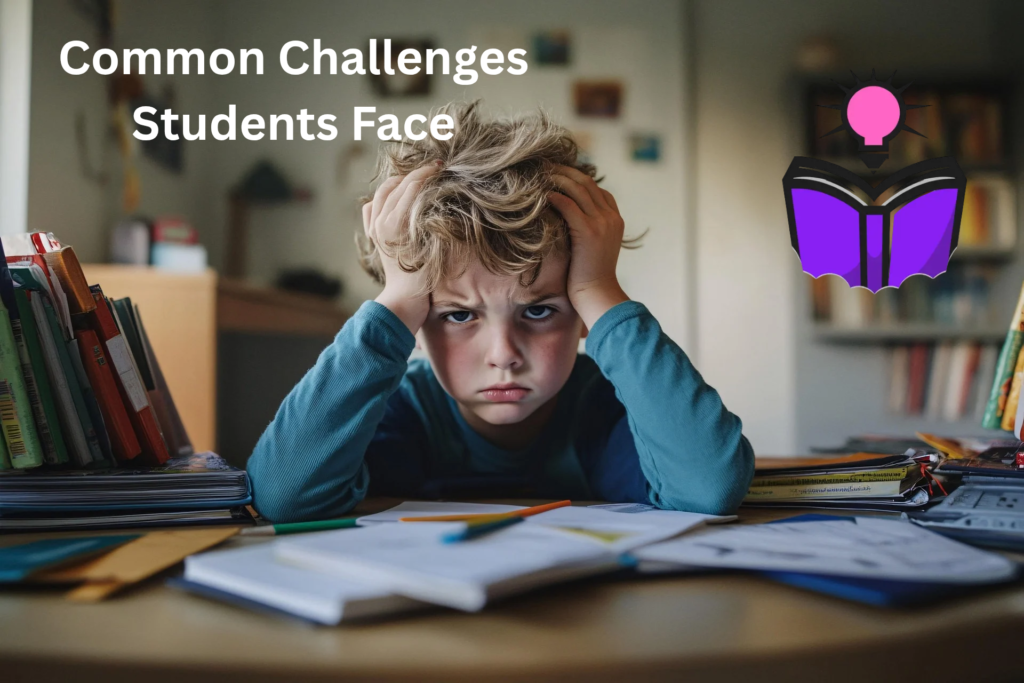
Understanding the Common Challenges Students Face
Before you can build resilience, you need to understand the obstacles you’re likely to encounter. In the United States, students commonly struggle with:
Academic Pressure
From AP classes in high school to competitive majors in college, academic expectations are high. Many students feel pressure to maintain perfect grades while balancing extracurriculars and part-time jobs.
Financial Stress
The rising cost of tuition and living expenses can create constant worry. Many students work part-time while studying full-time, which increases stress and reduces downtime.
Mental Health Concerns
Anxiety, depression, and burnout are increasingly common among U.S. students. The pressure to succeed combined with social comparison on platforms like Instagram and TikTok can intensify feelings of inadequacy.
Transition and Independence
Moving away from home, adjusting to dorm life, or transitioning to a new school can trigger loneliness and uncertainty.
Career Uncertainty
Students often feel pressure to choose the “right” major and secure internships that will guarantee job security. Fear of making the wrong choice can be overwhelming.
Recognizing these stressors helps normalize your experiences and reminds you that struggle is not weakness—it’s part of the journey.
1. Develop a Growth Mindset
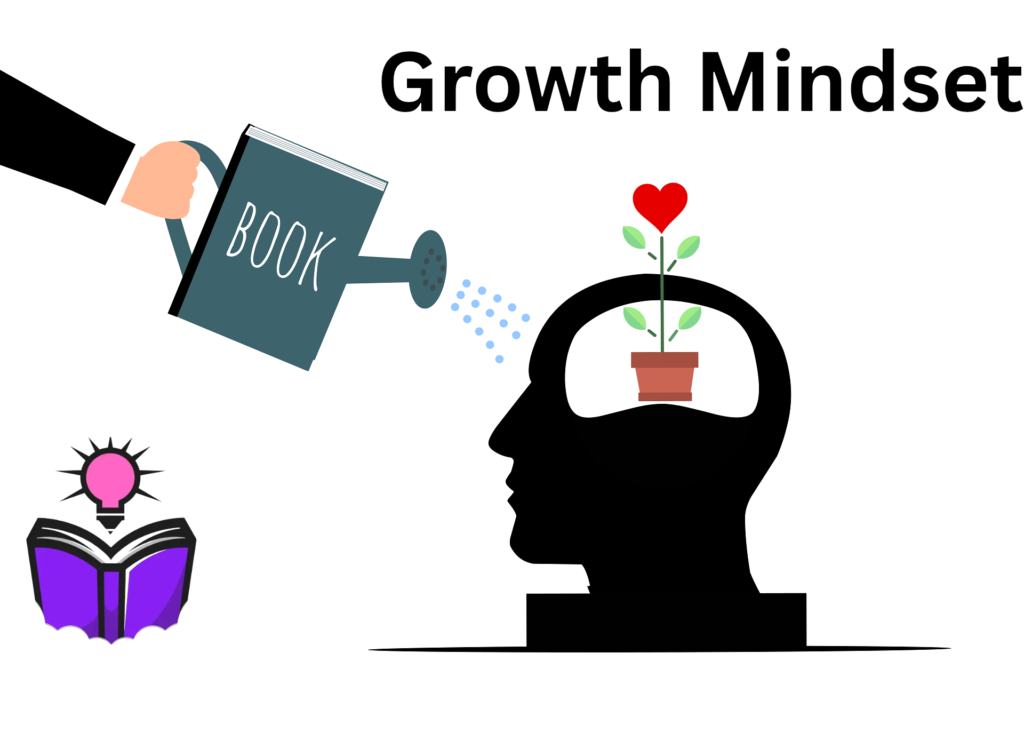
One of the most powerful ways to build resilience as a student is to adopt a growth mindset. A growth mindset is the belief that your abilities and intelligence can improve through effort and learning.
Instead of thinking, “I’m bad at math,” a resilient student thinks, “I haven’t mastered this yet.” That small shift changes everything.
When you view challenges as opportunities to grow rather than evidence of failure, setbacks lose their power. You start asking productive questions:
- What can I learn from this mistake?
- What strategy didn’t work, and what can I try next?
- Who can help me improve?
Students in competitive academic environments often equate mistakes with incompetence. In reality, mistakes are data. They show you where to focus your efforts.
Building a growth mindset takes practice. Begin by noticing negative self-talk and reframing it. Replace “I’ll never understand this” with “This is hard, but I can improve with time and effort.”
2. Build Strong Support Systems
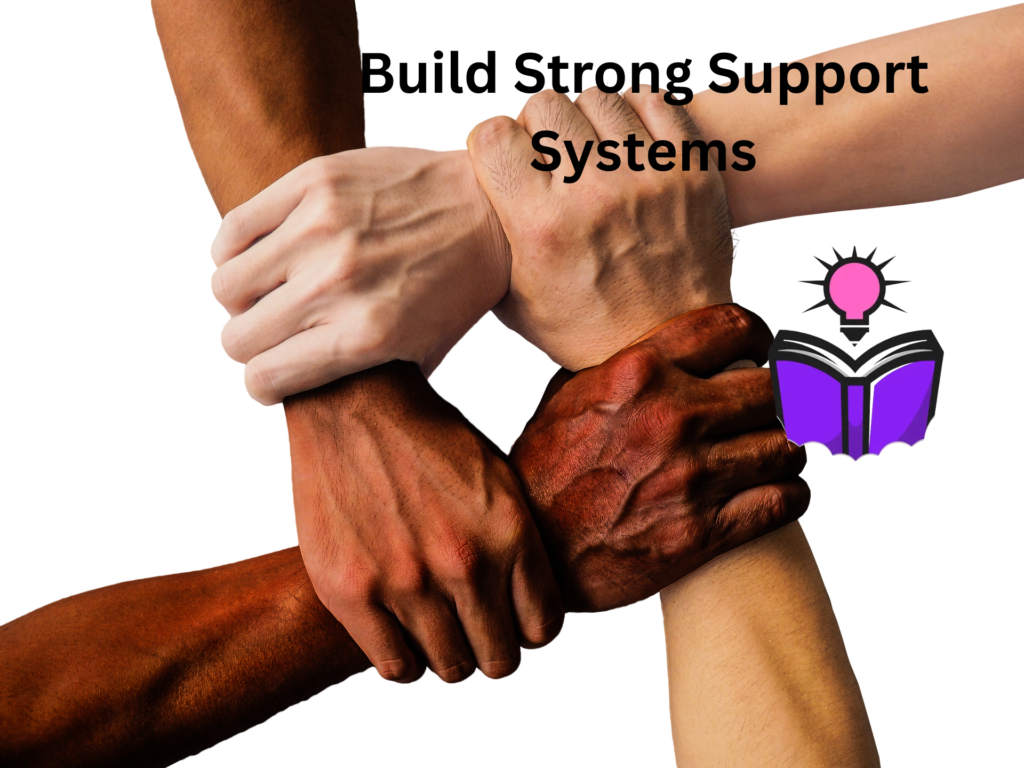
Resilience doesn’t mean handling everything alone. In fact, one of the strongest predictors of resilience is social support.
For students in the United States, support systems may include:
- Family members
- Friends
- Teachers or professors
- Academic advisors
- Campus counselors
- Mentors or coaches
If you’re in college, most campuses offer counseling services, tutoring centers, and peer mentoring programs. Using these resources is a sign of strength, not weakness.
Make an effort to nurture relationships. Call home regularly if you’ve moved away. Join clubs or organizations that align with your interests. Participate in study groups. Human connection reduces stress and increases motivation.
When you face a setback, talking it through with someone you trust can help you gain perspective and avoid spiraling into self-doubt.
3. Learn Effective Stress Management Techniques
Stress is inevitable in student life, but unmanaged stress can lead to burnout. Resilient students don’t eliminate stress—they manage it effectively.
Start with basic habits that have a powerful impact:
Prioritize sleep. Many students sacrifice sleep to study or socialize, but chronic sleep deprivation weakens focus, mood, and memory. Aim for 7–9 hours per night whenever possible.
Stay physically active. Exercise improves mood, reduces anxiety, and boosts energy. Even a 20-minute walk between classes can reset your mind.
Practice mindfulness. Deep breathing, meditation, or simple grounding exercises can calm your nervous system during high-pressure moments like exams.
Organize your time. Procrastination increases stress. Use planners, digital calendars, or time-blocking methods to stay on track.
When stress feels overwhelming, pause and ask yourself: Is this pressure coming from external expectations or my own perfectionism? Sometimes, resilience involves adjusting unrealistic standards.

4. Strengthen Problem-Solving Skills
Resilience grows when you learn to approach challenges systematically rather than emotionally.
When facing a problem, try this approach:
First, clearly define the issue. Instead of saying, “I’m failing,” identify the specific class or assignment causing trouble.
Next, brainstorm possible solutions. Could you attend office hours? Form a study group? Adjust your study method?
Then, take action and evaluate results. If one strategy doesn’t work, try another.
This problem-solving mindset is especially important in American higher education, where independence is expected. Professors may not remind you about assignments or chase you down for missing work. Taking initiative builds both confidence and resilience.

5. Embrace Failure as Part of the Process
Failure is one of the most misunderstood aspects of success. In competitive academic cultures, failure often feels shameful. But every successful professional, entrepreneur, or scholar has experienced setbacks.
If you fail an exam or don’t get into your top-choice college, it does not define your intelligence or potential. What matters is your response.
Ask yourself:
- What contributed to this outcome?
- What can I change next time?
- How can this experience make me stronger?
Many students discover new paths because of initial disappointments. A rejected application may lead to a better-fitting opportunity elsewhere. A difficult class may reveal new study habits that improve performance overall.
Resilience means refusing to let temporary setbacks become permanent identities.
6. Set Realistic and Meaningful Goals
Goal setting provides direction and motivation. However, unrealistic goals can create unnecessary stress.
Instead of focusing only on long-term outcomes like “get into a top medical school,” break goals into smaller, manageable steps. Focus on daily or weekly actions such as reviewing notes consistently or attending tutoring sessions.
Also, ensure your goals align with your personal values—not just societal expectations. In the United States, students often feel pressured to pursue high-paying careers regardless of personal interest. Long-term resilience depends on intrinsic motivation.
When your goals reflect your genuine interests, you are more likely to persevere through challenges.
7. Develop Emotional Awareness
Resilience is not about suppressing emotions. It’s about understanding and regulating them.
Pay attention to what you’re feeling and why. Are you anxious because of an upcoming exam, or because you’re comparing yourself to classmates?
Journaling can be a powerful tool. Writing down your thoughts helps you process experiences and identify patterns. Over time, you’ll become better at recognizing triggers and responding calmly.
Emotional awareness also improves communication. If you’re overwhelmed, telling a professor early may lead to accommodations or guidance. Waiting until you’re completely burned out makes recovery harder.

8. Cultivate Self-Compassion
Many students are their own harshest critics. While discipline is important, constant self-criticism undermines resilience.
Self-compassion means treating yourself with the same kindness you would offer a friend. If a friend failed a test, you wouldn’t call them a failure. You’d encourage them.
Practice speaking to yourself with encouragement rather than judgment. Replace “I’m terrible at this” with “I’m learning, and improvement takes time.”
Self-compassion reduces anxiety and increases motivation because it removes the fear of failure.
9. Build Healthy Routines
Routines create stability during chaotic times. Even simple daily habits can anchor your mental health.
Create a consistent morning routine to start your day intentionally. Develop evening rituals that help you unwind. Schedule regular study blocks instead of cramming.
Consistency builds confidence. When your environment feels unpredictable—like during finals week or major life changes—your routines provide structure and control.
10. Focus on What You Can Control
Students often worry about things beyond their control: grading curves, admissions decisions, economic conditions, or other people’s opinions.
Resilient individuals shift attention to controllable factors such as effort, preparation, attitude, and time management.
Before a big exam, you can’t control the exact questions. But you can control how thoroughly you prepare. Before submitting a college application, you can’t control the admissions committee’s decision. But you can ensure your essays reflect your authentic voice.
This mindset reduces anxiety and increases empowerment.
Long-Term Benefits of Building Resilience as a Student
The resilience you develop during school doesn’t disappear after graduation. It becomes a lifelong asset.
In the workforce, resilience helps you navigate job rejections, workplace challenges, and career transitions. In personal life, it strengthens relationships and coping abilities.
Students who intentionally build resilience often graduate with more than a degree—they graduate with confidence, adaptability, and emotional strength.
Final Thoughts: Resilience Is a Skill You Can Practice
Building resilience as a student in the United States is not about being fearless or perfect. It’s about learning to face challenges with courage, adaptability, and self-belief.
Every difficult class, every rejection, every moment of doubt is an opportunity to grow stronger. The pressures of modern education are real, but so is your capacity to handle them.
Start small. Adjust your self-talk. Seek support. Build routines. Learn from setbacks. Over time, these habits compound, transforming you into a more confident and capable version of yourself.
Resilience isn’t built in a single moment of triumph—it’s built in the quiet decisions you make every day to keep going.
And as a student, that ability to keep going may be your greatest advantage of all.