
How to Create a Winning Study Plan for Exam Success (Step-by-Step Guide)
Preparing for exams doesn’t have to feel overwhelming. With a structured and realistic study plan, you can boost your confidence, improve retention, and walk into your exam feeling fully prepared. Whether you’re a high-school student, college learner, or preparing for a competitive exam, the strategies below will help you create a winning study plan that actually works.
Why a Study Plan Matters
A study plan does far more than tell you what to read each day. It helps you:
- Stay organized and remove guesswork
- Manage time effectively
- Reduce stress and last-minute cramming
- Build consistent study habits
- Track progress strategically
A well-designed plan gives you the biggest advantage: clarity.

1. Set Clear, Realistic Goals
Before you start studying, ask yourself:
✔ What do I want to achieve?
✔ What grade or score am I aiming for?
✔ How much time do I have before the exam?
SMART Goal Example:
“I will complete two chapters of Biology each week and revise them every Saturday morning.”

2. Understand the Exam Format
Knowing what to expect can dramatically improve your performance. Review:
- Question types (MCQs, essays, practicals)
- Weightage of each topic
- Past exam papers
- Official syllabus or exam guidelines
This lets you prioritize high-value topics and study smarter—not harder.

3. Assess Your Strengths and Weaknesses
Create a quick self-evaluation:
| Topic | Confidence Level | Notes |
|---|---|---|
| Algebra | ⭐⭐ | Need more practice |
| Literature | ⭐⭐⭐⭐⭐ | Strong area |
| Biology | ⭐⭐ | Concept clarity needed |
Focus more time on weaker subjects but don’t ignore your strengths.
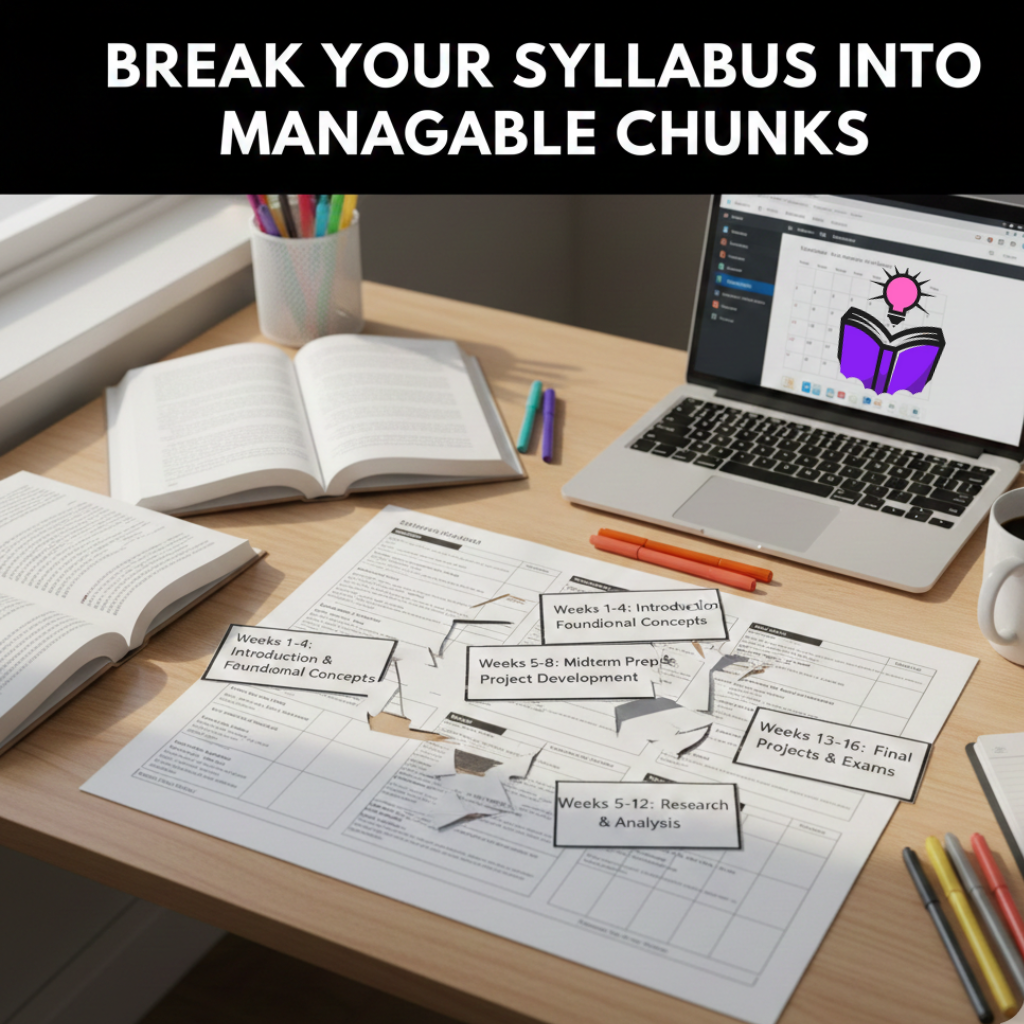
4. Break Your Syllabus Into Manageable Chunks
Big tasks cause procrastination. Break your syllabus into:
- Daily study goals
- Weekly revision targets
- Monthly progress checks
Example:
Instead of: “Study Chapter 5”
Use: “Study Sections 5.1–5.3 and summarize the key terms.”
Chunking makes studying less stressful and more achievable.
5. Create a Realistic Study Schedule
Your schedule should match your energy levels, lifestyle, and commitments.
Tips for an Effective Study Timetable
- Study difficult subjects when your energy is highest.
- Mix subjects to avoid burnout.
- Use 45–60 minute study sessions with short breaks.
- Add revision sessions weekly.
Sample Study Plan:
Monday: Math (5–6 pm), Science Revision (8–9 pm)
Tuesday: Literature (6–7 pm), Quiz Practice (7–7:30 pm)
Saturday: Weekly Revision + Mock Test

6. Use Effective Study Technique
Not all study methods deliver results. Here are proven, high-retention techniques:
✔ Active Recall
Test yourself frequently instead of rereading notes.
✔ Spaced Repetition
Review materials at increasing intervals (e.g., Day 1 → Day 3 → Day 7 → Day 14).
✔ Pomodoro Technique
Study 25–45 minutes + 5–10 minute break.
✔ Mind Mapping
Helps connect concepts visually.
✔ Practice with Past Papers
This improves speed, accuracy, and exam familiarity.

7. Remove Distractions and Build a Study-Friendly Environment
A focused environment boosts efficiency.
Turn off notifications, clean your desk, and keep essentials within reach.
Study-friendly accessories:
- Noise-canceling headphones
- Highlighters and sticky notes
- A comfortable chair
- Good lighting
Small changes can significantly enhance your concentration.

8. Track Your Progress and Adjust
Your study plan isn’t fixed—update it weekly.
Ask yourself:
- Am I meeting my study goals?
- Which topics still feel difficult?
- Do I need more practice tests?
If something isn’t working, change it. Flexibility keeps your plan effective.

9. Maintain Healthy Habits
A study plan works best when your mind and body are in good shape.
Focus on:
- 7–8 hours of sleep
- Balanced diet
- Regular exercise
- Short breaks to prevent burnout
A healthy routine boosts memory, concentration, and motivation.
10. Practice Mock Tests and Revise Consistently
Start mock tests at least 3–4 weeks before your exam.
Mock tests help you:
- Identify your weak areas
- Improve time management
- Boost confidence
- Reduce exam anxiety
Always revise the mistakes you make. Revision is where real learning happens.

Final Thoughts: Build a Study Plan That Works for YOU
Creating a winning study plan isn’t about following strict rules—it’s about finding a system that suits your habits, energy levels, and learning style. Start small, stay consistent, and refine your plan as you go. With the right strategy, exam success becomes not just possible but predictable.