
How to Get the Best Results with Limited Study Time (Even When the Clock Is Working Against You)
Time is the one opponent you can’t see coming—yet it always seems to catch you. Whether you’re a student juggling multiple classes or a working professional trying to upskill, the pressure to learn more in less time can feel like a race you never signed up for.
But here’s the twist:
You don’t need endless hours to study effectively.
You just need the right strategy.
Let’s uncover the techniques top performers use to master complex topics—even when their study time is shockingly limited.

1. Start with the 80/20 Rule: Discover the Hidden 20% That Drives 80% of Your Success
What if you found out that most of the time you spend studying is wasted?
The Pareto Principle—or 80/20 rule—reveals exactly that.
Only a small portion of the material usually drives the majority of your results.
How to use it:
- Identify the core concepts that everything else depends on.
- Focus first on what is most likely to appear on exams, quizzes, or interviews.
- Skip the fluff until the essentials are mastered.
This method alone can cut your study time in half while doubling retention.
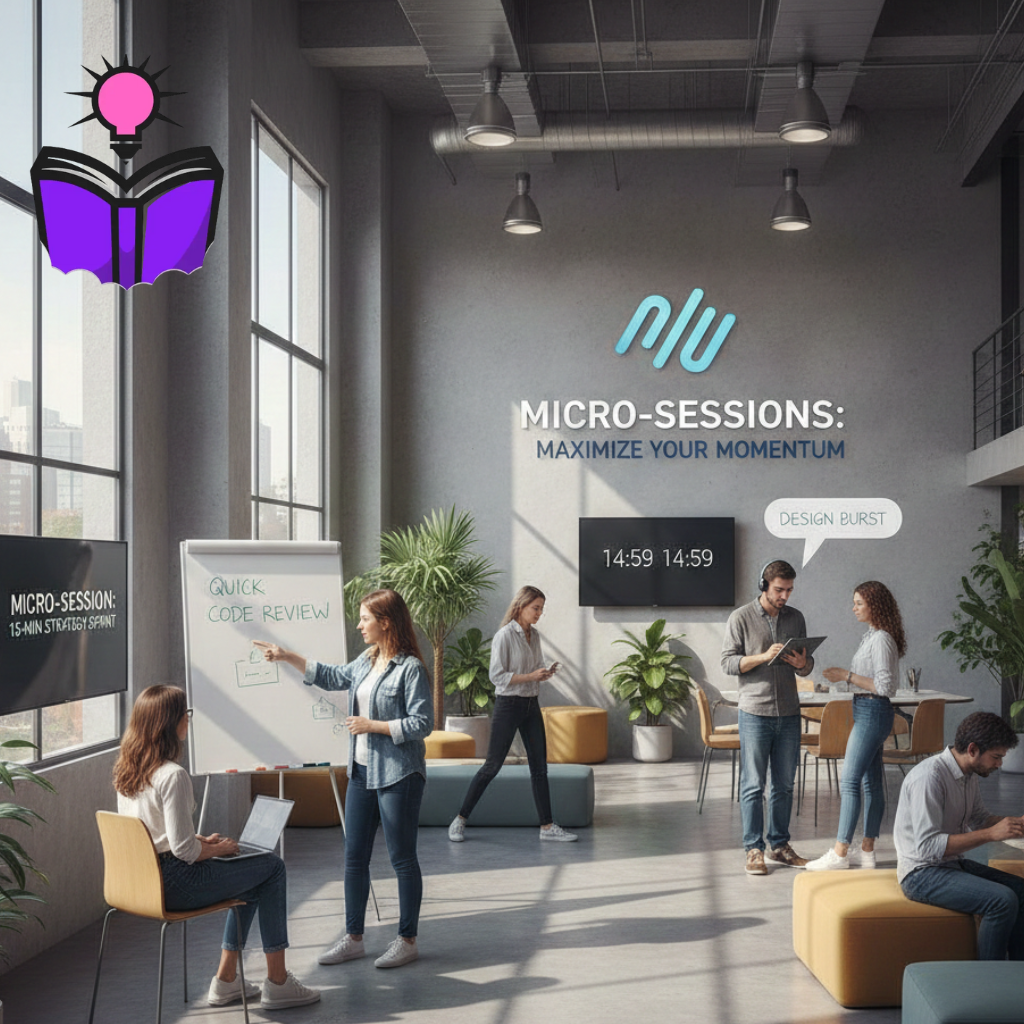
2. Use Micro-Sessions: Study in Short, Laser-Focused Bursts
Here’s where it gets interesting: your brain hates long study hours.
Long sessions cause mental fatigue, but short micro-sessions—10 to 25 minutes—boost focus and memory retention.
Try this:
- Set a timer for 20 minutes.
- Eliminate every distraction (yes, even your notifications).
- Dive into one specific task.
- Rest for 5 minutes.
Repeat this cycle 3–4 times and you’ll retain more than you would in an hour of passive reading.
3. Active Recall: The Powerful Memory Trick Most People Never Use
Imagine studying without actually studying.
Active recall forces your brain to retrieve information—strengthening neural pathways each time.
It’s the difference between reading a map and walking the terrain.
Use these recall methods:
- Test yourself after each section.
- Close the book and explain the concept out loud.
- Try teaching the material to a friend (or an imaginary audience).
Active recall is scientifically proven to multiply retention—quickly.
4. Spaced Repetition: The Secret Weapon of Memory Masters
Have you ever felt like information just slips away?
Spaced repetition removes that fear. Instead of cramming, you revisit content at increasing intervals. Your brain gets repeated “survival signals” telling it that the information is important.
Tools that make it effortless:
- Anki
- Quizlet
- Notion spaced-repetition templates
Just a few minutes per day can cement long-term memory better than hours of last-minute studying.

5. One Page Summaries: Compress Knowledge into a Quick-Access Map
Here’s a technique elite learners quietly use:
Summarize everything on a single sheet.
When you force yourself to condense the material, you organize information more efficiently and eliminate irrelevant details.
Your summary page should include:
- Key formulas, dates, or theories
- Short explanations
- Visuals (diagrams, arrows, bubbles)
- Examples or quick tips
This serves as your instant “exam-day cheat sheet”—without cheating, of course.
6. Eliminate Time Leaks: The Silent Killer of Effective Study Sessions
Every day, minutes disappear without notice—scrolling, wandering thoughts, multitasking.
These “micro-distractions” destroy productivity.
Fix it quickly by:
- Turning off all notifications
- Using website blockers during study time
- Keeping your phone in another room
- Choosing a specific study location
Small tweaks lead to massive results.
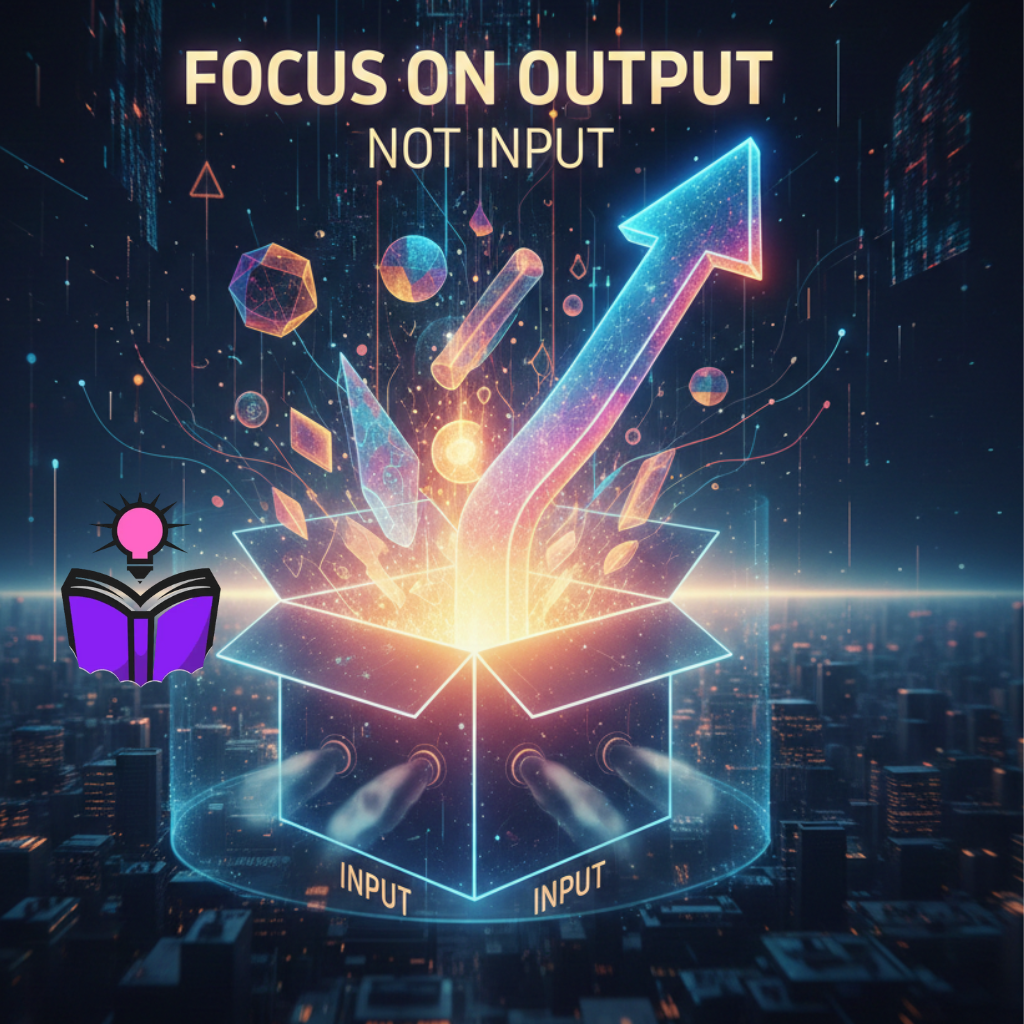
7. Focus on Output, Not Input
Here’s a suspenseful truth:
Most people think they’re studying when they’re really just consuming information.
Watching tutorials. Reading notes. Highlighting paragraphs.
But learning happens when you produce something.
Shift to output-focused study by:
- Solving problems
- Writing essays or practice explanations
- Doing mock quizzes
- Creating your own test questions
Outputs force your brain to apply what you learned—fast and effectively.
8. The Last-Minute Power Plan: What to Do When the Deadline Is Close
Time is running out. The pressure is rising.
What now?
Follow this emergency routine:
- Identify the top 20% essential material.
- Study using active recall only.
- Use one-page summaries for visuals.
- Do a final 10-minute review.
This method saves you when every second counts.
Final Thoughts: You Don’t Need More Time—You Need Better Strategy
The real secret to getting the best results with limited study time isn’t studying harder.
It’s studying smarter.
When you use the techniques above—active recall, spaced repetition, micro-sessions, and strategic focus—you’ll start achieving more in minutes than you once did in hours.
The clock is ticking for everyone…
But your strategy could be the thing that finally puts you ahead.