
How to Handle Study Burnout: Practical Strategies Every Student Needs Right Now
How to Handle Study Burnout: Practical Strategies
You know that moment when your brain feels like it’s shutting down, your motivation disappears overnight, and even opening a textbook feels impossible?
That’s not laziness. That’s study burnout—and it’s far more common than most students admit.
The scary part?
Burnout doesn’t arrive suddenly. It creeps in slowly, silently… until one day, you realize you’re overwhelmed, exhausted, and emotionally drained.
But here’s the good news: you can regain control before burnout derails your goals.
This guide will show you exactly how.

1. Recognize the Warning Signs Before It’s Too Late
Study burnout rarely starts with big symptoms. It begins subtly.
Watch out for:
- Constant tiredness—even after sleeping
- Zero motivation to study
- Forgetting simple information
- Feeling anxious before assignments
- Procrastinating more than usual
- Feeling numb, irritated, or overwhelmed
- Headaches, stress eating, or insomnia
The earlier you notice these signs, the faster you can recover.
2. Break the Cycle With a Structured Study Routine
A chaotic schedule fuels burnout. A clear routine reduces it.
Try the Balanced 3-Block Method:
- Focus Block: 60–90 minutes of deep work
- Recovery Block: 10–20 minutes of rest
- Reset Block: Break after 2–3 sessions
This method helps your brain reset before it crashes.
A structured routine protects your energy instead of draining it.

3. Use the “Micro-Goal Strategy” to Reduce Overwhelm
One huge task can feel impossible. Breaking it into small, achievable steps makes it manageable.
Instead of: “Study 5 chapters tonight.”
Try:
- Read 5 pages
- Highlight key points
- Summarize in your own words
- Do 3 practice questions
Each completed mini-goal gives you a dopamine boost—your brain’s natural motivator.

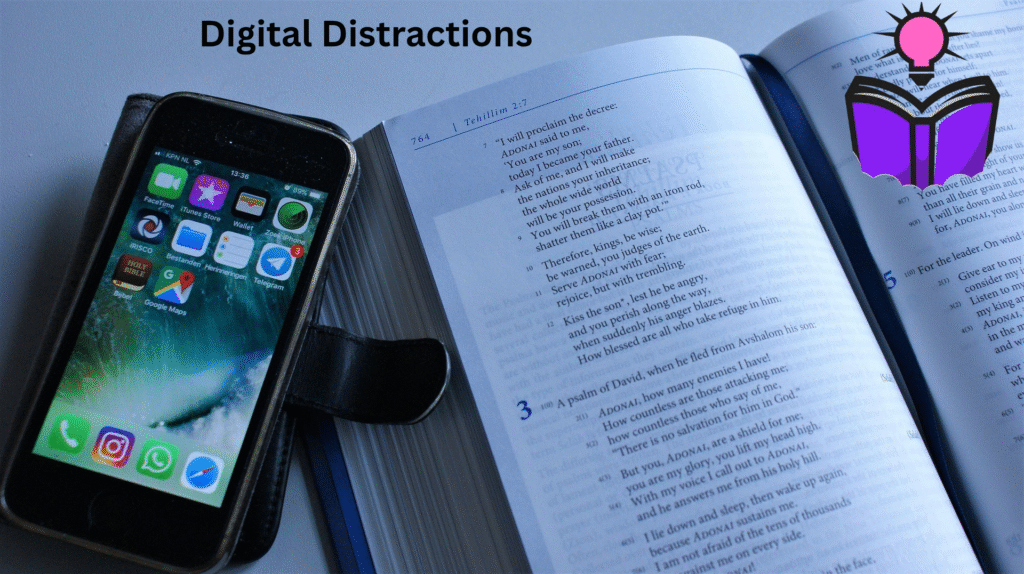
4. Remove Digital Distractions (Your Brain Will Thank You)
Every notification pulls your mind away, increasing mental fatigue.
Try:
- Turning off social media during study sessions
- Using apps like Forest, Notion, or StayFocused
- Keeping your phone out of reach
- Studying in clean, quiet spaces
Protect your focus—it’s your strongest academic tool.
5. Prioritize Rest Without Feeling Guilty
Many students think “rest equals falling behind.” But in reality:
Rest = Efficiency.
Rest = Higher grades.
Rest = Less burnout.
Healthy rest methods:
- 7–9 hours of sleep
- Power naps (10–20 minutes)
- Mindfulness meditation
- Gentle stretching or yoga
- Listening to calming music
Your brain can’t function at its best if it never shuts down.
6. Fuel Your Energy With the Right Foods
What you eat directly affects how well you study.
Brain-boosting foods:
- Oats, bananas, whole grains
- Berries, oranges
- Eggs and yogurt
- Nuts and seeds
- Green tea or water
Avoid:
- Sugary snacks
- Energy drinks
- Excessive caffeine
Proper fuel = stronger focus + mental clarity.
7. Talk to Someone—Burnout Isn’t Meant to Be Faced Alone
Whether it’s a friend, mentor, teacher, or counselor, opening up about burnout reduces emotional pressure.
You may discover:
- Others feel the same way
- Your workload can be adjusted
- You’re not “failing”—you’re overwhelmed
Support creates space for healing.
8. Practice the “10-Minute Rule” To Break Mental Blocks
When you feel completely stuck, promise yourself to study for just 10 minutes.
What happens?
Your brain warms up, resistance fades, and you often keep going longer.
This method is simple but extremely effective for burnout recovery.
9. Add Enjoyable Activities Back Into Your Life
Burnout often happens when all you do is work.
Add small sparks of joy:
- Music
- Art
- Sports
- Time outdoors
- Movies
- Hobbies
- Social time
You are not a machine.
Joy is not a distraction—it’s essential for balance.
10. Reevaluate Your Study Approach
Sometimes burnout is a sign that something needs to change.
Ask yourself:
- Am I studying efficiently or just studying more?
- Am I taking on too much?
- Do I need better time management?
- Am I forgetting to rest?
Adjusting your method is not failure—it’s smart strategy.
Why Burnout Happens… and Why You Can Beat It
Burnout doesn’t mean you’re weak.
It means you’ve been strong for too long without a break.
But with the right strategies—structured routines, rest, support, and self-care—you can recover your motivation, protect your mental health, and return to studying with clarity and confidence.
Your academic success is important.
But your well-being is priceless.
Take care of both.