
How to Make the Most of Your Study Time at the Library: Turn Quiet Hours Into Powerful Results
The library looks calm—almost too calm. Rows of books, silent desks, soft lighting. But beneath that quiet atmosphere lies an opportunity many students waste without realizing it. The library can either be a place where time disappears… or where academic breakthroughs happen.
The difference? How you use it.
If you’ve ever spent hours at the library only to leave feeling unproductive, this guide will change everything. Let’s uncover how to make the most of your study time at the library—and why mastering this skill can completely transform your academic performance.

Why Studying at the Library Works So Well
Libraries are designed for one purpose: focused learning.
Unlike dorm rooms or cafés, libraries offer:
- Minimal distractions
- Dedicated study spaces
- Academic resources within reach
- A productivity-driven environment
When used correctly, the library becomes a concentration accelerator.
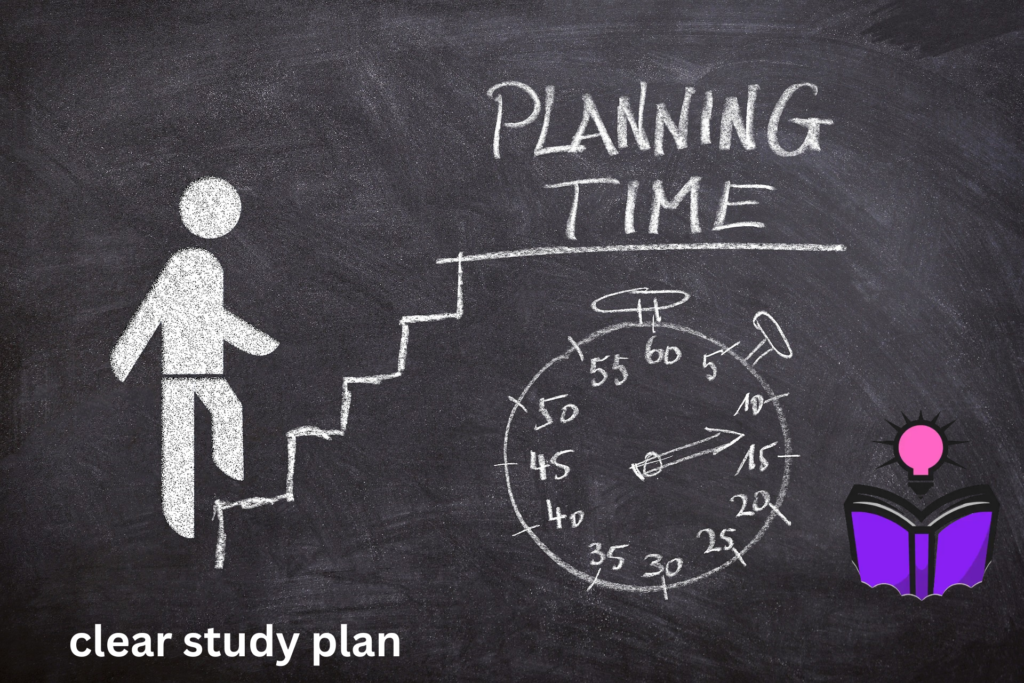
Step 1: Go In With a Clear Study Plan
Here’s the suspenseful truth:
Most students don’t fail to study—they fail to plan their studying.
Before you sit down, decide:
- What subject you’ll study
- What task you’ll complete (reading, problem-solving, revision)
- How long you’ll work
Clear goals prevent wandering focus and wasted hours.
Step 2: Choose the Right Study Spot
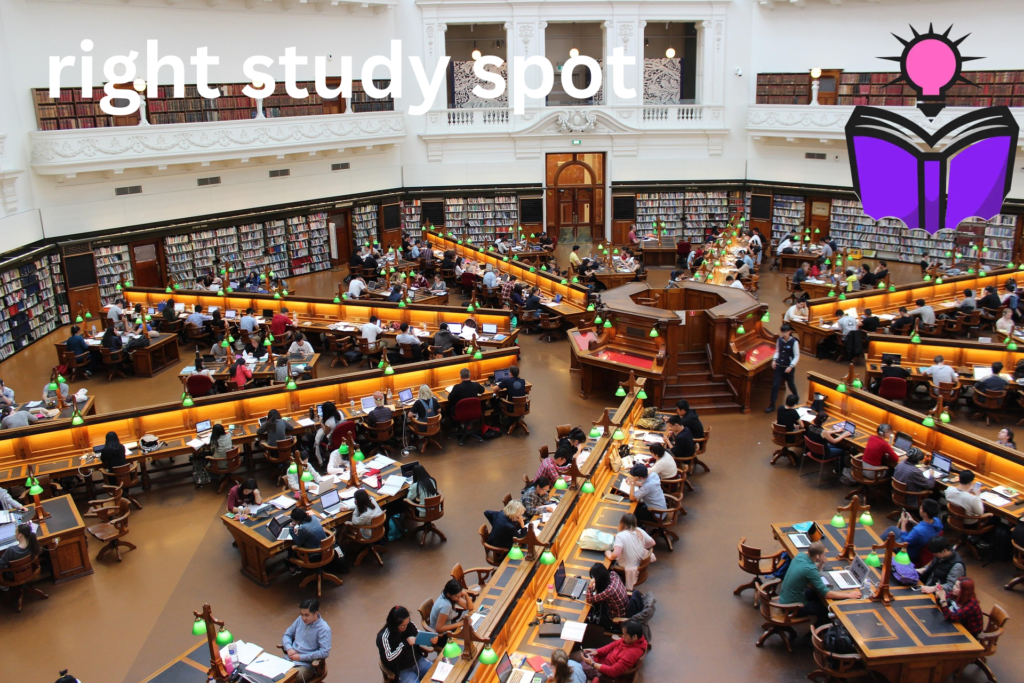
Not all library spaces are equal.
Silent Zones for Deep Focus
Best for:
- Reading
- Writing
- Exam preparation
Group Study Areas for Collaboration
Ideal for:
- Discussions
- Group projects
- Explaining concepts aloud
Picking the right environment can double your productivity without extra effort.
Step 3: Bring Only What You Need
Every extra item is a potential distraction.
Pack:
- Required textbooks or notes
- Laptop or tablet (fully charged)
- Pens, highlighters, and paper
Leave unnecessary gadgets behind. Fewer distractions mean deeper focus—and faster progress.
Step 4: Use Time Blocks to Stay Sharp
Studying endlessly doesn’t mean studying effectively.
Try the focused time-block method:
- Study for 25–50 minutes
- Take a 5–10 minute break
- Repeat
This keeps your brain energized and prevents burnout while maximizing retention.

Step 5: Use Library Resources Most Students Ignore
Here’s where the library reveals its secret power.
Many students forget about:
- Academic databases and journals
- Reference librarians
- Research guides and study tools
- Quiet rooms and reserved study spaces
These resources can save hours of effort and dramatically improve the quality of your work.
Step 6: Take Notes Actively, Not Passively
Reading without engagement is a productivity trap.
Instead:
- Summarize key ideas in your own words
- Ask questions as you read
- Create outlines or concept maps
Active learning transforms study time into long-term understanding.
Step 7: Manage Digital Distractions Ruthlessly
The library may be quiet—but your phone isn’t.
To stay focused:
- Silence notifications
- Use website blockers if needed
- Keep your phone out of sight
Every interruption breaks concentration and makes studying harder than it needs to be.
Step 8: Know When to Stop
One of the most overlooked productivity skills is knowing when to leave.
End your session when:
- Your goal is complete
- Focus starts to fade
- You’ve hit your planned time limit
Leaving on a productive note builds momentum for your next session.
The Hidden Benefit: Building a Study Habit
Consistent library study does more than help you pass exams.
It builds:
- Discipline
- Confidence
- Strong academic routines
Over time, the library becomes a place where success feels natural—and expected.
Final Thoughts: The Library Is Waiting
The library isn’t just a building filled with books. It’s a tool, a strategy, and for many students, a turning point.
When used intentionally, even a single hour at the library can outperform an entire distracted afternoon elsewhere.
The next time you walk through those quiet doors, remember:
You’re not just studying—you’re investing in your future.
Make it count.