
How to Navigate Relationships in College
College is one of the most transformative periods of life. For many students in the United States, it’s the first time living away from home, making independent decisions, and building relationships without the constant influence of family or long-time friends. Along with academic challenges, social dynamics become an important part of the college experience. Learning how to navigate relationships in college can shape not only your social life but also your emotional well-being and personal growth.
Relationships in college come in many forms—friendships, romantic relationships, roommates, classmates, and professional connections with professors or mentors. Each type of relationship requires communication, boundaries, and mutual respect. Understanding how to balance these connections while focusing on your personal goals can make college life more fulfilling and less stressful.
This guide explores how college students can build healthy relationships, manage challenges, and create meaningful connections that last beyond graduation.

Why Relationships Matter in College
College is more than lectures, assignments, and exams. It is a social environment where students learn life skills, develop emotional intelligence, and form networks that often last for years. Relationships provide support during stressful times, encouragement during difficult semesters, and companionship that makes the college experience enjoyable.
Many students in the United States enter college feeling both excited and uncertain. Moving to a new campus, meeting people from different backgrounds, and adjusting to academic pressure can be overwhelming. Having supportive relationships helps students feel connected and reduces feelings of loneliness or isolation.
Strong relationships also contribute to mental health. Studies consistently show that students with supportive social networks tend to manage stress better, perform well academically, and feel more satisfied with their college experience.
Understanding the Different Types of College Relationships
College introduces students to a wide range of social connections. Each relationship serves a different purpose and requires a unique approach.
Friendships are often the foundation of college life. Friends become study partners, roommates, travel companions, and emotional support systems. These friendships often develop quickly during orientation events, residence hall activities, or shared classes.
Romantic relationships can also become a significant part of college life. Some students enter college with a partner from high school, while others meet new partners on campus. College relationships can be exciting but also complex, especially when balancing academics, independence, and personal growth.
Roommate relationships are another important aspect of college living. Many students share dorm rooms or apartments with individuals they have never met before. Learning how to communicate openly and respect shared space becomes essential for maintaining harmony.
Professional relationships with professors, advisors, and mentors also play a valuable role. These connections can guide academic decisions, provide career advice, and open doors to internships or research opportunities.
Understanding the purpose and expectations of each type of relationship helps students manage them more effectively.
Building Healthy Friendships in College
Friendships are often the most meaningful connections formed during college. Many lifelong friendships begin in dorm rooms, campus organizations, or late-night study sessions in the library.
Building healthy friendships requires openness and authenticity. Students who are willing to introduce themselves, attend campus events, and join clubs often find it easier to meet like-minded people. Shared interests naturally create opportunities for connection.
Trust is one of the most important elements of friendship. Reliable friends support each other during stressful exams, personal challenges, and life transitions. Being honest, dependable, and respectful strengthens these bonds over time.
Communication also plays a crucial role. Misunderstandings can happen in any relationship, especially when individuals come from different backgrounds or cultures. Addressing issues calmly and respectfully helps maintain healthy friendships.
Another important aspect is balance. While friendships are valuable, students should also maintain personal independence and avoid relying too heavily on one person for emotional support.
Navigating Romantic Relationships
Romantic relationships in college can be exciting and meaningful, but they also require maturity and self-awareness. Students often experience emotional growth during this stage of life, which can influence how relationships develop.
One common challenge is balancing time between a partner, academics, and social activities. College schedules can become demanding, and prioritizing responsibilities is essential. Successful relationships often involve partners who support each other’s academic and personal goals.
Communication is the foundation of a healthy romantic relationship. Discussing expectations, boundaries, and future plans helps prevent misunderstandings. Open conversations about time commitments, personal space, and emotional needs strengthen trust between partners.
Respecting independence is equally important. College is a time for personal discovery, and both partners should feel free to pursue their interests, friendships, and career aspirations.
It’s also important for students to recognize when a relationship becomes unhealthy. Signs such as constant conflict, lack of respect, or controlling behavior should never be ignored. Prioritizing personal well-being is always more important than maintaining a difficult relationship.
Managing Long-Distance Relationships
Many college students enter school while maintaining a long-distance relationship with a partner from high school or their hometown. While these relationships can work, they often require extra effort and communication.
Distance can create challenges such as limited physical interaction, different schedules, and emotional strain. However, couples who maintain regular communication and trust can successfully manage these obstacles.
Technology has made long-distance relationships easier than ever. Video calls, messaging apps, and shared online activities allow couples to stay connected despite being in different locations.
Setting realistic expectations is also important. Both partners must understand that college life will introduce new experiences, friendships, and responsibilities. Supporting each other’s growth rather than restricting it helps maintain a healthy long-distance relationship.
Handling Roommate Relationships
Living with a roommate is often one of the first major adjustments for college students. Sharing a space with someone who has different habits, schedules, or preferences can lead to challenges if not managed properly.
Clear communication from the beginning can prevent many common conflicts. Discussing expectations about cleanliness, study time, guests, and quiet hours helps create mutual understanding.
Respecting boundaries is essential in a shared living environment. Everyone needs personal space and time to recharge. Being considerate of each other’s schedules and preferences can make the living arrangement more comfortable.
Conflicts may still occur, but they can usually be resolved through calm conversation and compromise. Learning how to navigate roommate relationships teaches valuable life skills that extend beyond college.
Balancing Relationships and Academics
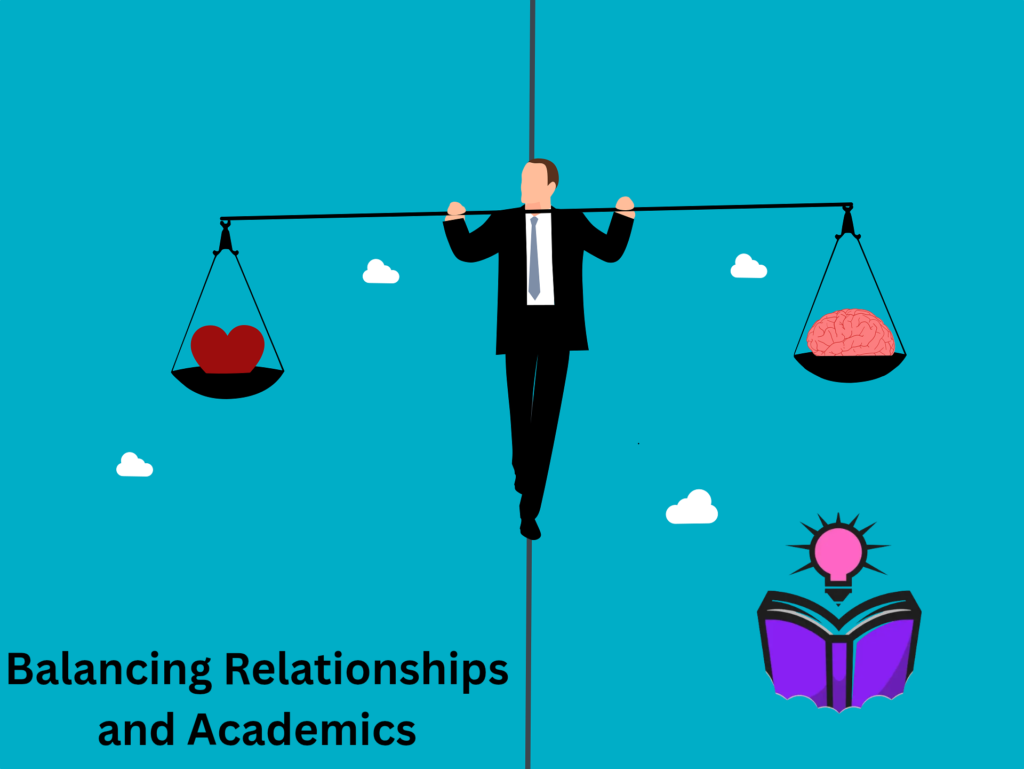
One of the biggest challenges students face is balancing relationships with academic responsibilities. Social activities, dating, and spending time with friends can sometimes distract from coursework if not managed carefully.
Time management becomes crucial in maintaining balance. Successful students often create schedules that include study sessions, classes, and social time. Planning ahead ensures that relationships do not interfere with academic success.
Setting priorities helps students stay focused. During busy exam periods or major project deadlines, it may be necessary to temporarily reduce social activities. Supportive friends and partners understand these responsibilities and encourage academic achievement.
Maintaining healthy relationships should enhance the college experience rather than create additional stress.
Recognizing Toxic Relationships
Not every relationship in college will be positive. Some connections may become emotionally draining or unhealthy. Recognizing the signs of toxic relationships is important for protecting mental and emotional well-being.
Toxic relationships often involve constant negativity, manipulation, disrespect, or lack of support. Individuals may feel pressured to change their values, priorities, or personal goals.
Students who experience these situations should consider setting clear boundaries or distancing themselves from the relationship. Seeking advice from trusted friends, counselors, or mentors can provide helpful guidance.
College counseling centers across the United States offer confidential support for students dealing with relationship challenges. These services can help individuals develop healthy communication skills and coping strategies.
The Importance of Communication
Communication is the most important skill in navigating college relationships. Whether interacting with friends, roommates, romantic partners, or professors, clear and respectful communication prevents misunderstandings and builds trust.
Active listening is an important part of communication. Instead of simply waiting to respond, students should focus on understanding the other person’s perspective. This creates stronger connections and reduces unnecessary conflict.
Honesty is equally important. Expressing feelings openly and respectfully helps maintain transparency in relationships. Avoiding difficult conversations may lead to resentment or confusion over time.
Learning effective communication skills during college benefits students not only socially but also professionally in their future careers.
Setting Healthy Boundaries
Healthy boundaries allow individuals to maintain personal independence while building meaningful connections. Boundaries define what behaviors are acceptable and what limits should be respected within a relationship.
Many students struggle with boundaries because they want to please others or avoid conflict. However, failing to establish boundaries can lead to stress, burnout, or resentment.
Setting boundaries might involve protecting study time, maintaining privacy, or expressing emotional needs. When boundaries are communicated clearly and respectfully, most people respond positively.
Healthy relationships always involve mutual respect for each other’s limits and personal space.
Embracing Diversity in College Relationships
College campuses in the United States bring together students from diverse cultural, geographic, and social backgrounds. This diversity creates opportunities to learn from different perspectives and build meaningful cross-cultural relationships.
Students who remain open-minded and curious often benefit the most from these experiences. Engaging in conversations with individuals from different backgrounds can broaden understanding and challenge assumptions.
Respect and empathy are key when interacting with people who have different beliefs, traditions, or experiences. Building diverse relationships enriches the college experience and prepares students for an increasingly global society.
Navigating Breakups in College
Breakups are a common part of young adulthood, and many students experience them during college. While emotionally difficult, breakups can also become opportunities for personal growth and self-reflection.
Students who go through breakups should prioritize self-care and emotional healing. Spending time with supportive friends, focusing on academics, and engaging in activities that bring joy can help restore emotional balance.
It is also helpful to reflect on what the relationship taught about communication, compatibility, and personal values. These lessons often lead to healthier relationships in the future.
College environments provide many opportunities for new experiences and personal development, which can help students move forward after a breakup.
Building Professional Relationships
While social relationships are important, professional connections also play a crucial role in college success. Professors, academic advisors, and mentors can provide valuable guidance throughout a student’s academic journey.
Students who actively engage with professors during office hours often gain deeper insights into course material and career opportunities. Building rapport with faculty members can lead to recommendation letters, internships, and research positions.
Networking with classmates is also beneficial. Many college peers eventually become colleagues in professional fields. Maintaining positive relationships within academic communities can open doors long after graduation.
Professional relationships are built on respect, curiosity, and a genuine interest in learning.

Maintaining Self-Identity in Relationships
One of the most important lessons in college relationships is maintaining a strong sense of self. While friendships and romantic connections are valuable, students should never lose sight of their personal goals, values, and identity.
College is a time of exploration and self-discovery. Students may change majors, develop new interests, or pursue unexpected career paths. Healthy relationships support this growth rather than restrict it.
Maintaining independence means continuing to pursue hobbies, academic interests, and personal aspirations. When individuals remain true to themselves, relationships become more authentic and fulfilling.
Using Campus Resources for Relationship Support
Many colleges and universities in the United States offer resources to help students manage relationship challenges. Counseling centers provide professional guidance on communication, conflict resolution, and emotional well-being.
Student organizations also create opportunities to meet new people and build friendships based on shared interests. Joining clubs, volunteer groups, or campus events can help students expand their social circles.
Residence advisors in dormitories often assist students with roommate conflicts or social concerns. These support systems exist to help students navigate the social aspects of college life more effectively.
Taking advantage of these resources can make a significant difference in maintaining healthy relationships.
The Long-Term Impact of College Relationships
The relationships formed during college often influence personal and professional life long after graduation. Friends may become lifelong companions, business partners, or important members of one’s support network.
College relationships also shape emotional intelligence and interpersonal skills. Learning how to communicate, compromise, and empathize with others prepares students for future careers, marriages, and community involvement.
Many graduates look back on their college years not only for academic achievements but also for the meaningful connections they formed along the way.
Conclusion
Navigating relationships in college is an important part of the overall student experience. From friendships and romantic partnerships to roommate dynamics and professional connections, each relationship teaches valuable lessons about communication, respect, and personal growth.
Students who approach relationships with openness, honesty, and healthy boundaries often create stronger and more supportive social networks. Balancing these relationships with academic responsibilities ensures that both personal and educational goals remain on track.
College is not just about earning a degree; it is also about developing the interpersonal skills that shape a fulfilling life. By building meaningful relationships and learning from each experience, students can make the most of their college years and carry those lessons into the future.