
How to Navigate the Changing Landscape of Higher Education
Meta Title: How to Navigate the Changing Landscape of Higher Education | A Student-Centered Guide
Meta Description: Discover practical strategies to navigate the rapidly changing landscape of higher education—from AI and online learning to career-ready skills and smart college choices.
Primary Keywords: changing landscape of higher education, future of higher education, higher education trends, online learning, career-ready skills
Secondary Keywords: AI in education, hybrid learning, college affordability, micro-credentials, lifelong learning

The Quiet Revolution Reshaping Higher Education
Something big is happening in higher education—and it’s not always obvious at first glance. Campuses still have lecture halls, libraries still hum with quiet focus, and degrees still matter. But beneath the surface, the rules are changing. Technology is accelerating. Employers are shifting expectations. Students are demanding flexibility, relevance, and value.
If you’re a student, parent, or educator, one question looms large: How do you navigate the changing landscape of higher education without getting lost? The answer begins with understanding what’s changing—and why it matters to you.
Why Higher Education Is Changing Faster Than Ever
For decades, higher education followed a familiar path: attend college, earn a degree, and enter the workforce. Today, that path has multiple lanes—and a few unexpected turns.
Here’s what’s driving the transformation:
- Rapid technological innovation, including AI and data-driven learning
- Rising tuition costs and increased focus on return on investment
- Shifting job markets that value skills as much as degrees
- Global access to education through online and hybrid models
- Lifelong learning demands in a fast-changing economy
Together, these forces are reshaping what education looks like—and how learners must respond.
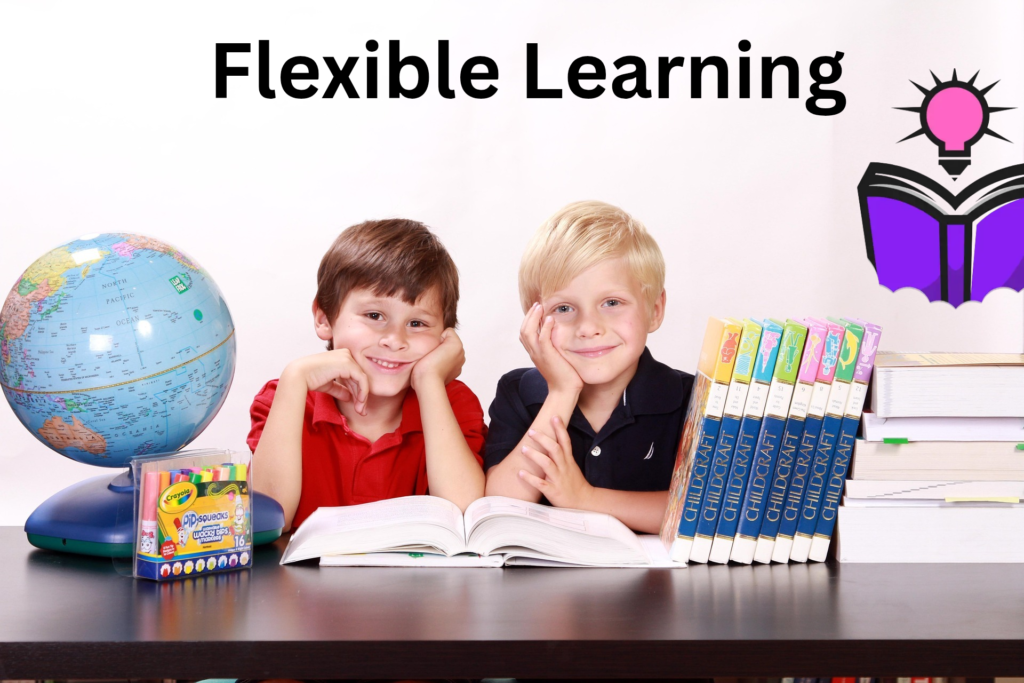
The Rise of Flexible Learning Models
One of the most visible changes in the higher education landscape is how learning happens.
Online and Hybrid Learning Are Here to Stay
What began as an alternative has become a mainstream option. Online and hybrid programs now offer:
- Greater flexibility for working students
- Access to global institutions and instructors
- Self-paced and personalized learning experiences
But flexibility comes with responsibility. Success in these models requires strong time management, self-motivation, and digital literacy.
Navigation tip: Choose programs that offer structured support, interactive coursework, and clear outcomes—not just convenience.
Skills Are the New Currency
Degrees still matter—but they’re no longer the only currency in higher education.
Employers Want Career-Ready Skills
Across industries, employers are prioritizing:
- Critical thinking and problem-solving
- Communication and collaboration
- Digital and data literacy
- Adaptability and continuous learning
This shift has fueled the growth of micro-credentials, certificates, and skills-based programs that complement traditional degrees.
Suspenseful truth: The most successful graduates aren’t just educated—they’re adaptable.
AI and Technology: Threat or Opportunity?
Artificial intelligence is no longer a future concept—it’s part of today’s classrooms.
How AI Is Transforming Higher Education
AI is being used to:
- Personalize learning paths
- Provide instant feedback and tutoring
- Analyze student performance and engagement
- Automate administrative tasks
While concerns about overreliance are valid, the real advantage lies in learning how to work with technology, not against it.
Navigation tip: Develop AI literacy. Understanding how tools work—and their limits—will be a defining skill of the future.
Making Smarter Choices About College and Cost
With rising tuition and student debt concerns, affordability has become central to the higher education conversation.
Value Over Prestige
Students are increasingly asking smarter questions:
- What outcomes does this program offer?
- How strong are its career placement rates?
- Are there internships, apprenticeships, or industry partnerships?
Scholarships, community colleges, transfer pathways, and online degrees are no longer “backup options”—they’re strategic choices.
Key insight: The best education is one that aligns with your goals, budget, and long-term plans.
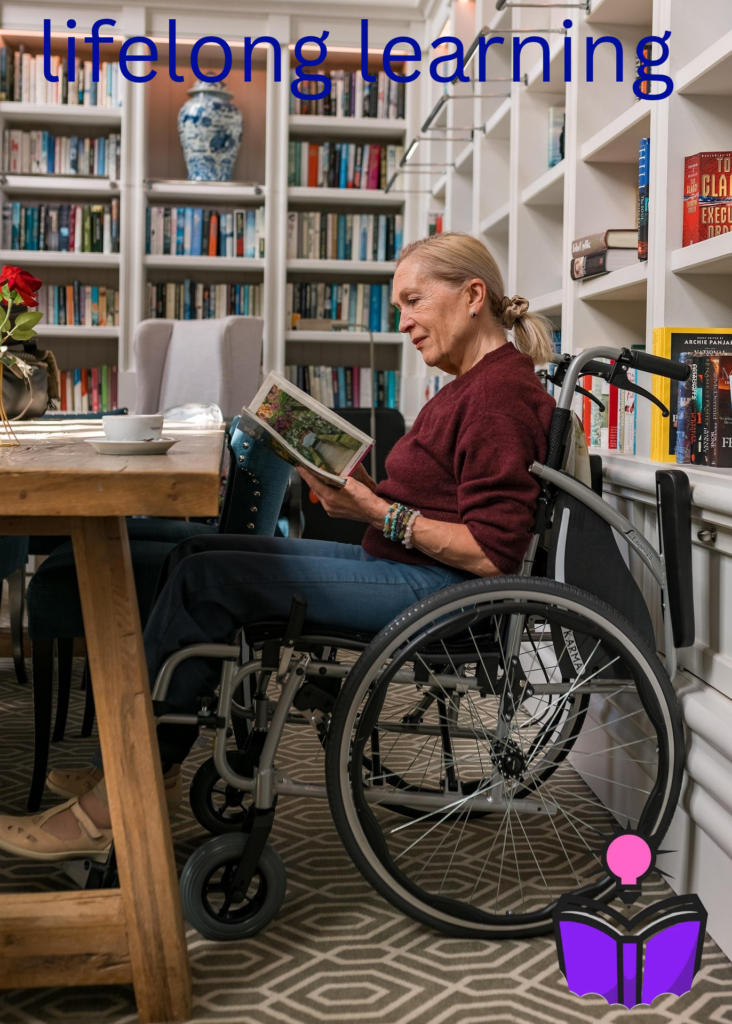
Lifelong Learning Is No Longer Optional
The idea that education ends at graduation is fading fast.
Continuous Learning in a Changing World
Industries evolve, roles shift, and new skills emerge. To stay relevant, learners must:
- Upskill and reskill regularly
- Embrace short-term credentials and workshops
- Stay curious and proactive
Higher education institutions are responding with stackable credentials and flexible programs designed for learners at every stage of life.
The twist: The most valuable degree may be the ability to keep learning.
How to Navigate the Future with Confidence
So how do you move forward in this changing landscape of higher education without feeling overwhelmed?
A Practical Navigation Framework
- Clarify your goals – Career-focused, academic, or exploratory
- Research outcomes – Skills gained, job pathways, alumni success
- Embrace flexibility – Be open to nontraditional learning routes
- Build skills intentionally – Combine education with experience
- Stay adaptable – The landscape will keep changing
This approach turns uncertainty into opportunity.
The Road Ahead: What Comes Next?
Higher education isn’t collapsing—it’s evolving. Institutions that adapt will thrive. Learners who stay informed will lead. And those who understand the changing landscape will be best positioned to succeed in a world that rewards curiosity, resilience, and skill.
The suspenseful reality: The future of higher education isn’t waiting to be discovered—it’s being built right now. And how you navigate it could define everything that comes next.
Final Thought
In a time of rapid change, education remains one of the most powerful tools available. The difference today is that navigating higher education requires intention, awareness, and adaptability. Learn the landscape. Read the signs. And move forward—not cautiously, but confidently.
Ready to take the next step? Stay curious, stay informed, and keep learning.