
How to Practice Mindfulness and Relaxation Techniques: A Practical Guide for Everyday Life
In today’s fast-paced world, stress has become almost unavoidable. Between demanding work schedules, constant notifications, financial pressure, and the general busyness of modern life in the United States, many people feel mentally exhausted and emotionally overwhelmed. This is where mindfulness and relaxation techniques come in—not as abstract concepts, but as practical, science-backed tools you can use every day to feel calmer, more focused, and more in control.
Mindfulness and relaxation are not about escaping life or eliminating stress completely. Instead, they help you respond to challenges with greater awareness, emotional balance, and resilience. The good news is that anyone can practice them, regardless of age, lifestyle, or background. You don’t need special equipment, expensive memberships, or hours of free time. What you need is intention, consistency, and a willingness to slow down.
This guide will walk you through what mindfulness really is, why relaxation techniques matter, and how you can realistically practice them in your daily routine—whether you live in a busy city, work remotely, or juggle family responsibilities.
Understanding Mindfulness in Simple Terms
Mindfulness is the practice of paying attention to the present moment with openness and without judgment. It means noticing your thoughts, emotions, physical sensations, and surroundings as they are, rather than how you wish they were. Many people in the U.S. spend much of their day either replaying the past or worrying about the future, which often leads to anxiety, stress, and mental fatigue.
When you practice mindfulness, you train your mind to stay anchored in what is happening right now. This doesn’t mean your mind will suddenly stop thinking. Thoughts will still come and go. The difference is that you learn to observe them instead of getting caught up in them. Over time, this awareness can improve emotional regulation, focus, and overall well-being.
Mindfulness can be practiced formally, such as through meditation, or informally, such as by paying full attention while eating, walking, or listening to someone speak. Both approaches are valuable and complement each other.
Why Relaxation Techniques Are Essential in Modern Life
Relaxation techniques are practices that activate the body’s natural relaxation response. When you’re stressed, your body enters a fight-or-flight mode, increasing heart rate, muscle tension, and stress hormones. While this response is useful in emergencies, chronic activation can negatively affect both physical and mental health.
Relaxation techniques help counteract this stress response. They signal to your nervous system that it’s safe to slow down. This can lead to benefits such as lower blood pressure, improved sleep, reduced muscle tension, and better mood. For many Americans dealing with long work hours, digital overload, and high expectations, relaxation techniques are not a luxury—they are a necessity.
Mindfulness and relaxation often work best together. Mindfulness builds awareness of stress as it arises, while relaxation techniques help release it.
How to Start a Mindfulness Practice Without Feeling Overwhelmed
One of the biggest misconceptions about mindfulness is that it requires a large time commitment. In reality, even a few minutes a day can make a noticeable difference. The key is consistency rather than duration.
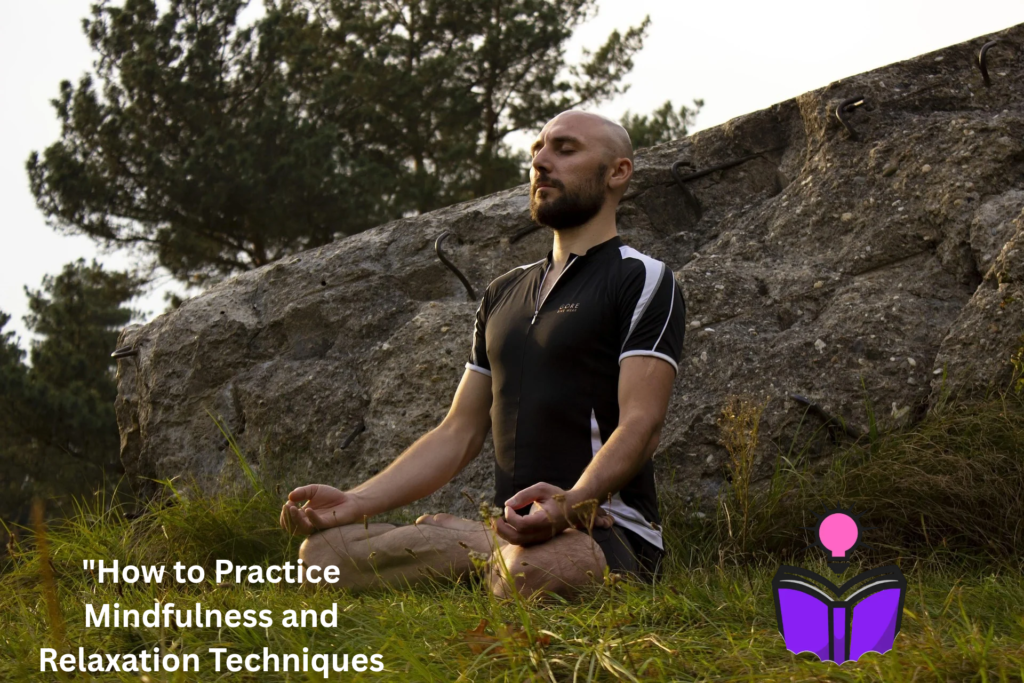
Start by choosing a small, manageable amount of time—perhaps five minutes in the morning or evening. Sit comfortably in a chair or on the floor, keeping your back upright but relaxed. Close your eyes or soften your gaze. Bring your attention to your breath, noticing the sensation of air moving in and out of your body.
Your mind will wander. This is normal. When you notice it happening, gently bring your attention back to your breath without criticizing yourself. Each time you do this, you are strengthening your ability to be present.
As this practice becomes more comfortable, you can gradually increase the time or explore other mindfulness techniques, such as body awareness or mindful listening.
Practicing Mindful Breathing for Everyday Calm
Mindful breathing is one of the most accessible and effective mindfulness practices. It can be done anywhere—at your desk, in traffic, or before going to bed. The breath acts as an anchor, helping you return to the present moment whenever stress arises.
To practice mindful breathing, focus on the natural rhythm of your breath. Notice where you feel it most clearly, such as in your nose, chest, or abdomen. There is no need to change your breathing; simply observe it. If your thoughts drift, gently guide your attention back.
In stressful moments, slowing down your breath can have a calming effect. Taking slightly longer exhales than inhales can signal relaxation to your nervous system. This technique is especially helpful before important meetings, during emotional conversations, or when you feel overwhelmed.
Using Body Awareness to Release Tension
Many people carry stress in their bodies without realizing it. Tight shoulders, clenched jaws, and shallow breathing are common signs. Body awareness practices help you tune into physical sensations and release tension before it builds up.
One effective method is the body scan. This involves bringing your attention systematically through different parts of your body, starting from your feet and moving upward. As you focus on each area, notice any sensations, tension, or discomfort without trying to change them right away. Often, simply bringing awareness allows muscles to relax naturally.
This practice can be particularly beneficial at night, helping you unwind and prepare for sleep. It can also increase your awareness of how stress affects your body during the day, allowing you to respond more proactively.
Relaxation Techniques You Can Use Daily
Relaxation techniques come in many forms, and different approaches work better for different people. The goal is to find methods that fit naturally into your lifestyle and feel enjoyable rather than like another task on your to-do list.
Progressive muscle relaxation is a popular technique that involves tensing and then releasing different muscle groups. This helps you recognize the difference between tension and relaxation, making it easier to let go of physical stress.
Guided imagery is another effective approach. It involves visualizing calming scenes, such as a beach, forest, or quiet room. Engaging your senses in the imagery—imagining sounds, smells, and textures—can deepen the sense of relaxation.
Gentle movement practices like yoga or slow stretching can also be deeply relaxing. These combine physical activity with mindful awareness, helping release tension while improving flexibility and circulation.
Bringing Mindfulness Into Everyday Activities
Mindfulness doesn’t have to be limited to meditation sessions. In fact, integrating it into everyday activities can make it more sustainable and impactful.
Mindful eating is a powerful example. Instead of eating quickly while distracted, take time to notice the colors, textures, and flavors of your food. Pay attention to hunger and fullness cues. This can improve digestion, enhance enjoyment, and support healthier eating habits.
Mindful walking is another simple practice. As you walk, notice the sensation of your feet touching the ground, the movement of your body, and the environment around you. Even a short walk can become a calming and grounding experience.
You can also practice mindfulness during conversations by giving your full attention to the other person. Listening without planning your response can deepen connections and reduce misunderstandings.
Managing Stress and Anxiety With Mindfulness
Stress and anxiety are common concerns for many Americans, especially in high-pressure work environments or during uncertain times. Mindfulness can help by changing your relationship with stressful thoughts rather than trying to eliminate them.
When anxious thoughts arise, mindfulness encourages you to notice them as mental events rather than facts. This creates space between you and your thoughts, making them feel less overwhelming. Instead of reacting automatically, you can choose a more thoughtful response.
Relaxation techniques can further support this process by calming the body. When the body relaxes, the mind often follows. Over time, this combination can lead to greater emotional resilience and a stronger sense of inner stability.
Improving Sleep Through Mindfulness and Relaxation
Sleep issues are widespread in the United States, often linked to stress, screen time, and racing thoughts. Mindfulness and relaxation techniques can be especially helpful in creating a healthier relationship with sleep.
Establishing a calming bedtime routine is an important first step. This might include gentle stretching, mindful breathing, or a short body scan before bed. Reducing stimulation from screens and bright lights can also support relaxation.
If you find your mind racing when you lie down, try bringing your attention to your breath or bodily sensations instead of engaging with your thoughts. The goal is not to force sleep, but to create conditions that allow it to arise naturally.
Building a Sustainable Practice That Fits Your Life
One of the biggest challenges with mindfulness and relaxation is maintaining consistency. Many people start enthusiastically but struggle to keep going. The key is to keep your practice realistic and flexible.
Rather than aiming for perfection, focus on progress. Some days your practice may feel calm and focused, while other days it may feel scattered. Both are part of the process. What matters most is showing up regularly.
It can also help to connect mindfulness to activities you already do. For example, you might practice mindful breathing while waiting for your coffee to brew or do a quick body check-in during lunch breaks.
Over time, mindfulness becomes less of something you do and more of a way you live—an ongoing awareness that supports you through both challenges and joys.
Mindfulness in the Workplace and Daily Responsibilities
For many adults in the U.S., work is a major source of stress. Mindfulness can be a valuable tool for navigating workplace demands more effectively.
Taking short mindful pauses during the workday can improve focus and reduce burnout. This might involve a few conscious breaths before starting a new task or briefly noticing physical sensations during breaks.
Mindfulness can also improve communication and decision-making. When you’re more present, you’re better able to listen, manage emotions, and respond thoughtfully rather than react impulsively.
Even in busy schedules, small moments of mindfulness can add up, creating a more balanced and sustainable approach to work and responsibilities.
Long-Term Benefits of Mindfulness and Relaxation
With regular practice, mindfulness and relaxation techniques can lead to meaningful long-term changes. Many people report improved emotional regulation, better stress management, and a greater sense of clarity and purpose.
Physically, consistent relaxation can support heart health, immune function, and overall vitality. Mentally, mindfulness can enhance concentration, creativity, and self-awareness.
Perhaps most importantly, these practices can help you feel more connected—to yourself, to others, and to your life as it unfolds. In a world that often encourages constant doing, mindfulness invites you to simply be.
Final Thoughts: Making Mindfulness a Part of Your Life
Practicing mindfulness and relaxation techniques is not about achieving a constant state of calm or avoiding life’s challenges. It’s about learning to meet each moment with awareness, kindness, and balance. Whether you start with a few mindful breaths, a short relaxation exercise, or a daily meditation, each small step matters.
For people living in the United States, where life can feel fast and demanding, these practices offer a way to slow down without falling behind. They help you care for your mental and physical health while staying engaged with your responsibilities and goals.
By approaching mindfulness with curiosity rather than pressure, you give yourself permission to grow at your own pace. Over time, this gentle commitment can transform not only how you handle stress, but how you experience life itself.