
.How to Prepare for College Finals: A Complete Guide for U.S. Students
College finals are one of the most stressful parts of the academic year for students across the United States. Whether you’re a freshman experiencing finals week for the first time or a senior trying to finish strong, the pressure to perform well can feel overwhelming. Finals often determine a significant portion of your grade, which means preparation is not optional—it’s essential.
The good news is that preparing for college finals doesn’t have to mean sleepless nights, endless caffeine, or last-minute panic. With the right strategies, mindset, and planning, you can approach finals week feeling confident, organized, and in control. This guide will walk you through everything you need to know about how to prepare for college finals effectively, while balancing academics, mental health, and personal well-being.
Understanding Why College Finals Feel So Intense
Before diving into preparation strategies, it’s important to understand why finals week feels especially demanding. In most U.S. colleges and universities, final exams can account for anywhere from 20 to 50 percent of your total course grade. On top of that, multiple exams are often scheduled within a short time frame, leaving little room for recovery between tests.
Unlike high school, college finals require more independent study, deeper understanding of material, and stronger time-management skills. Professors expect students to synthesize information, apply concepts, and demonstrate critical thinking rather than simply memorize facts. Recognizing these expectations helps you prepare in a way that aligns with how exams are actually designed.
Start Preparing Earlier Than You Think
One of the biggest mistakes college students make is waiting until the week before finals to start studying. Effective preparation begins weeks in advance, even if it’s just light review. Starting early allows you to absorb information gradually and reduces stress as finals approach.
At least three to four weeks before finals week, begin identifying what material will be covered on each exam. Review your syllabus, class announcements, and any study guides provided by your professors. Knowing exactly what to expect gives you a clear roadmap and prevents wasted time studying irrelevant material.
Early preparation also allows you to address gaps in understanding while you still have access to professors, teaching assistants, and campus resources.
Create a Finals Study Plan That Actually Works
A well-structured study plan is the foundation of successful finals preparation. Instead of vague goals like “study chemistry,” break your plan into specific, manageable tasks. This approach helps you stay focused and makes studying feel less overwhelming.
Start by mapping out all your finals and major deadlines on a calendar. Include exam dates, paper due dates, and project deadlines. Once you see everything laid out, you can prioritize your time based on exam weight and difficulty.
Next, schedule daily study sessions for each subject. Shorter, consistent sessions are more effective than long, exhausting cram sessions. Make sure to leave buffer time for unexpected challenges, such as difficult topics or additional assignments.
A realistic study plan should also include time for sleep, meals, and breaks. Burning out before finals week ends will only hurt your performance.

Know How Each Exam Is Structured
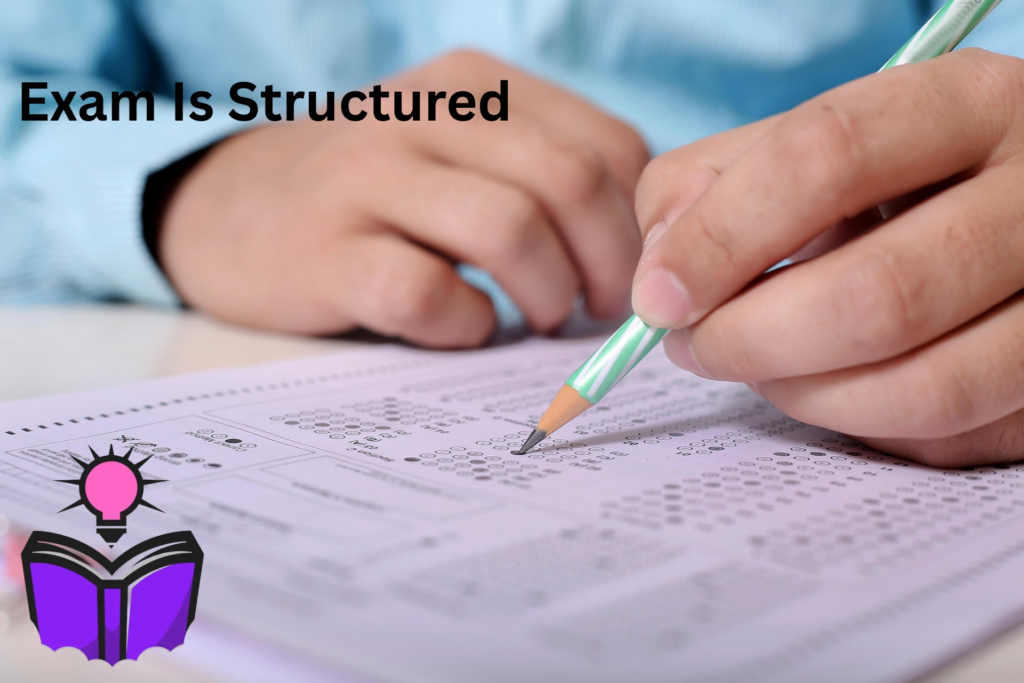
Not all college finals are created equal. Some exams are cumulative, while others only cover material from the second half of the semester. Some are multiple choice, others are essay-based, and some include problem-solving or case studies.
Understanding the structure of each exam allows you to tailor your study approach. For example, essay exams require you to practice organizing ideas and explaining concepts clearly, while problem-based exams demand hands-on practice.
If your professor has provided past exams, review questions, or hints during lectures, use them. Pay attention to topics emphasized repeatedly in class, as they are often central to the final exam.
Use Active Study Techniques Instead of Passive Reading
One of the most common mistakes students make when preparing for finals is relying too heavily on passive studying. Simply rereading notes or highlighting textbooks may feel productive, but it rarely leads to long-term retention.
Active study techniques are far more effective because they force your brain to engage with the material. This includes explaining concepts in your own words, testing yourself without notes, and applying information to new scenarios.
Practice problems, flashcards, teaching the material to someone else, and writing practice essays are all examples of active learning. These methods help identify weak areas and reinforce understanding more effectively than passive review.

Organize and Simplify Your Study Materials
Disorganized notes can make studying unnecessarily stressful. Before diving into intense study sessions, take time to organize your materials. Gather lecture notes, slides, textbooks, assignments, and quizzes for each class.
Condensing your notes into summaries or concept maps can be especially helpful. This process forces you to identify key ideas and see connections between topics. Many students find that rewriting notes or creating study guides helps reinforce learning even before formal studying begins.
Digital tools, notebooks, or printed materials all work—what matters is that your system is clear and easy to use.
Balance Studying With Mental and Physical Health
Preparing for college finals isn’t just about academics. Your physical and mental health play a major role in how well you perform. Lack of sleep, poor nutrition, and chronic stress can negatively impact concentration, memory, and problem-solving skills.
Aim for consistent sleep throughout finals season, even if your schedule feels tight. All-nighters may seem tempting, but they often lead to lower exam performance. Eating balanced meals and staying hydrated also help maintain energy and focus.
Taking short breaks during study sessions can improve productivity. Even a brief walk, stretch, or mindfulness exercise can help reset your brain and reduce fatigue.

Learn How to Manage Finals Week Stress
Stress is a natural part of finals season, but unmanaged stress can become overwhelming. Learning how to cope with stress effectively can make a significant difference in your experience and performance.
One helpful strategy is to focus on what you can control. You may not control exam difficulty, but you can control how you prepare, manage your time, and take care of yourself. Practicing deep breathing, journaling, or light physical activity can help reduce anxiety.
If stress becomes too intense, many U.S. colleges offer counseling services, wellness centers, or stress-relief events during finals week. Taking advantage of these resources is a sign of strength, not weakness.
Study Smarter, Not Longer
Many students believe that spending more hours studying automatically leads to better grades. In reality, the quality of your study time matters far more than the quantity.
Studying smarter means focusing on high-impact material, practicing active recall, and reviewing your weakest areas first. It also means recognizing when your brain needs rest. Pushing through exhaustion often leads to diminishing returns.
Setting specific goals for each study session can help you stay efficient. For example, instead of studying until you feel tired, aim to complete a set number of practice problems or review a specific topic.
Make the Most of Professors and Campus Resources
Your professors want you to succeed, and finals season is an excellent time to ask questions. Attend office hours, review sessions, or discussion groups if they’re available. Even a brief conversation can clarify confusing concepts and help you focus your studying.
Many U.S. colleges also offer tutoring centers, writing labs, and academic success programs. These resources are often underused but can be extremely helpful, especially for challenging subjects.
If you’re struggling with a particular class, reaching out early can prevent last-minute panic and improve your confidence going into the exam.
Prepare Strategically the Week Before Finals
The week leading up to finals is crucial. At this point, your focus should be on reviewing and reinforcing knowledge rather than learning entirely new material.
Revisit your study plan and adjust it based on your progress. Spend extra time on subjects that feel challenging and do quick refreshers for topics you already understand well.
Practicing under exam-like conditions can also help. Try timed practice tests or write practice essays within a set time limit. This builds familiarity with the exam format and reduces anxiety on test day.
What to Do the Night Before an Exam
The night before a college final should not be spent cramming. Instead, focus on light review, organizing materials, and relaxing your mind.
Prepare everything you’ll need for the exam, including identification, supplies, and any allowed materials. Reviewing summaries or key concepts is fine, but avoid overwhelming yourself with new information.
Most importantly, get enough sleep. A well-rested brain performs far better than an exhausted one, even if you feel less “prepared” than you’d like.
How to Approach Exam Day With Confidence
On exam day, give yourself plenty of time to get to the testing location. Rushing can increase anxiety and affect performance. Eat a balanced meal if possible, and stay hydrated.
During the exam, read instructions carefully and manage your time wisely. Start with questions you feel confident about to build momentum. If you get stuck, move on and return later if time allows.
Remember that perfection is not required to succeed. Focus on doing your best with the knowledge you’ve prepared.
Learning From Each Finals Experience
Once finals are over, take a moment to reflect on what worked and what didn’t. This reflection can help you improve your approach in future semesters.
Consider which study methods were most effective, how well your schedule worked, and how you managed stress. College is a learning experience both academically and personally, and each finals season helps you grow stronger and more resilient.
Final Thoughts on Preparing for College Finals
Preparing for college finals is about more than just studying—it’s about building habits that support long-term academic success. With early planning, active study techniques, and a balanced approach to health and stress, finals week can become manageable rather than overwhelming.
For U.S. college students juggling multiple responsibilities, the key is consistency and self-awareness. When you prepare with intention and take care of yourself, you set yourself up not only for better grades but also for a more positive college experience.
Finals are challenging, but they are also an opportunity to demonstrate how much you’ve learned and how far you’ve come. With the right preparation, you can walk into your exams feeling confident, capable, and ready to succeed.