
How to Prepare for Multiple Exams at Once: A Smart Student’s Survival Guide
Preparing for multiple exams at the same time can feel overwhelming. One moment you’re revising formulas, the next you’re memorizing definitions—and suddenly, deadlines collide. If you’ve ever wondered “How do top students manage it all without burning out?” — you’re about to find out.
This guide reveals proven study strategies, time-management secrets, and mindset shifts that help students succeed when exam pressure is at its highest.

Why Preparing for Multiple Exams Feels So Difficult
When exams pile up, your brain isn’t just learning—it’s switching contexts constantly. Different subjects demand different thinking styles, and without a plan, stress takes over.
But here’s the surprising truth:
Studying for multiple exams can actually improve focus—if done correctly.
The key is strategy, not longer study hours.
Step 1: Start With a Master Exam Plan (Don’t Skip This)
Before opening a single book, pause.
Create a master exam schedule that includes:
- Exam dates and times
- Subjects and topics
- Difficulty level (easy, medium, hard)
This overview gives you clarity and removes the fear of the unknown. When your brain sees the full picture, anxiety drops—and productivity rises.
Pro tip: Prioritize urgency + difficulty, not just exam dates.

Step 2: Break Each Subject Into Smart Study Blocks
Instead of studying one subject for hours, divide your day into focused study blocks.
Example:
- 40 minutes: Math
- 10 minutes: Break
- 40 minutes: Science
- 10 minutes: Break
- 30 minutes: Revision
This technique:
- Prevents boredom
- Improves memory retention
- Keeps your brain alert
Suspense builds when you realize this: short, focused sessions beat long, exhausting ones every time.
Step 3: Use Active Study Techniques (Not Passive Reading)
Reading notes repeatedly feels productive—but it isn’t.
Switch to active learning methods, such as:
- Practice questions
- Flashcards
- Teaching concepts out loud
- Writing short summaries from memory
Active study forces your brain to work, making recall easier during exams.
Step 4: Rotate Subjects to Avoid Mental Fatigue
Studying the same subject all day drains motivation fast. Instead, rotate between:
- A problem-solving subject (like math)
- A theory-based subject (like history or biology)
This keeps your mind fresh and helps ideas stick longer. It also creates a sense of progress—which boosts confidence.
Step 5: Schedule Daily Revision (This Is the Game-Changer)
Here’s where most students fail.
Without daily revision, information fades quickly. Spend 20–30 minutes every day revisiting:
- Key formulas
- Important definitions
- Mistakes from practice tests
This simple habit turns panic into preparedness.
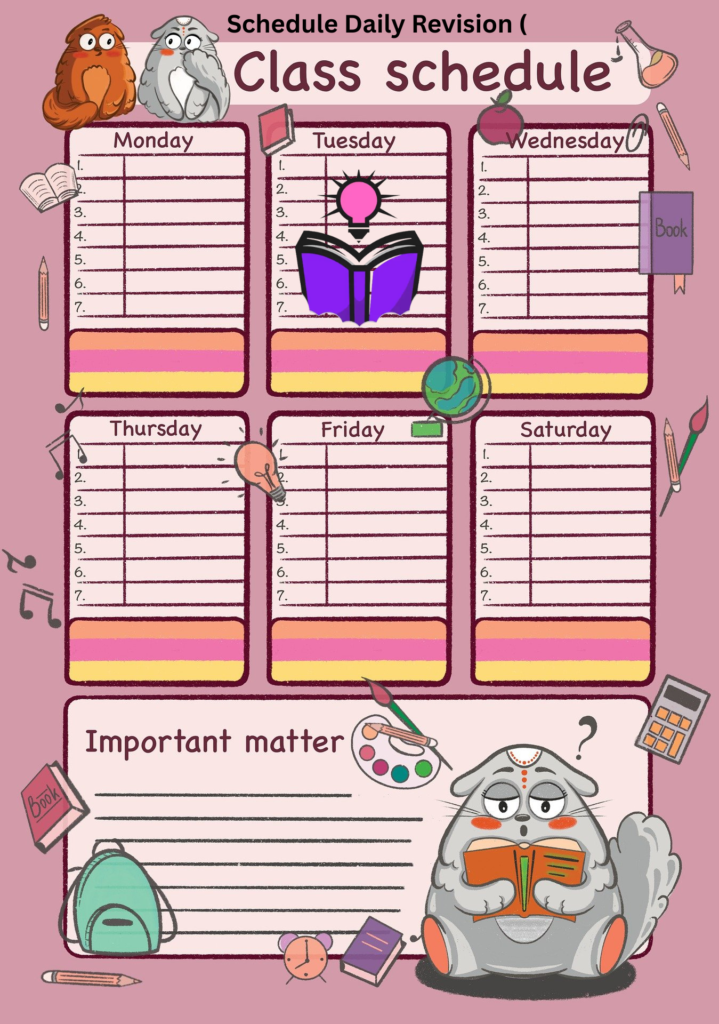
Step 6: Protect Your Sleep and Energy Levels
Late-night cramming may seem tempting—but it hurts performance.
To stay exam-ready:
- Sleep 7–9 hours
- Drink water regularly
- Take short movement breaks
A rested brain processes information faster and recalls it more accurately.
Step 7: Stay Calm Under Pressure (Yes, It’s Possible)
When stress hits, pause and breathe.
Remind yourself:
- You have a plan
- You are prepared
- One exam does not define you
Confidence grows when preparation meets calm thinking.
Final Thoughts: Multiple Exams, One Winning Strategy
Preparing for multiple exams at once doesn’t require superhuman ability—just smart planning, focused study, and consistent revision.
The suspenseful truth?
Most students don’t fail because they can’t learn—they fail because they don’t organize.
Now you know better.
Frequently Asked Questions (SEO Boost)
Q: How many hours should I study when preparing for multiple exams?
A: Focus on quality, not quantity. 4–6 focused hours with breaks is often enough.
Q: Is it better to study one subject per day?
A: No. Rotating subjects improves retention and reduces mental fatigue.
Q: How do I avoid burnout during exam season?
A: Sleep well, take breaks, and stick to a realistic study plan