
How to Stay Motivated While Studying for Exams
Studying for exams can be one of the most mentally challenging experiences for students. Whether you’re preparing for high school finals, college midterms, or professional certification exams, staying motivated throughout the process is often harder than the studying itself. Many students begin their preparation with enthusiasm but gradually lose focus as stress, fatigue, and distractions begin to take over.
The good news is that motivation is not something you either have or don’t have. It’s something you can build and maintain with the right strategies. When you understand how motivation works and learn how to create an environment that supports your goals, studying becomes far less overwhelming and far more productive.
In this guide, you’ll learn practical and effective ways to stay motivated while studying for exams. These techniques are especially helpful for students in the United States who are balancing school, extracurricular activities, part-time jobs, and social commitments.

Understanding Why Motivation Fades During Exam Preparation
Before learning how to stay motivated, it helps to understand why motivation tends to disappear during exam preparation. Most students start strong because the goal of doing well on an exam feels exciting and important. However, over time the brain becomes tired of repetition, especially when studying large amounts of information.
Another reason motivation fades is the feeling of being overwhelmed. When a student looks at a thick textbook or a long list of topics to review, the task can seem impossible. This mental pressure can cause procrastination, which then leads to guilt and even less motivation.
Distractions also play a major role. Smartphones, social media, streaming services, and video games constantly compete for attention. Unlike studying, these activities provide instant gratification, making it easy for the brain to choose them over academic work.
Understanding these challenges is the first step toward overcoming them. Once you recognize what’s draining your motivation, you can begin using strategies that help restore it.
Start With Clear and Meaningful Goals
One of the most powerful ways to stay motivated while studying is to set clear goals. When students study without a defined purpose, it’s easy to lose focus. However, when there is a specific outcome in mind, every study session begins to feel more meaningful.
Instead of simply telling yourself to “study biology,” try creating a goal like “review chapters 3 and 4 and complete 20 practice questions.” A clear target gives your brain direction and makes the workload feel manageable.
Long-term goals are also important. Ask yourself why you want to succeed in your exams. Maybe you want to get into a competitive college, maintain a scholarship, or pursue a specific career path. Keeping that bigger picture in mind helps maintain motivation when studying feels difficult.
When your goals connect to your future, studying becomes more than just memorizing information—it becomes a step toward achieving something meaningful.

Break Large Tasks Into Smaller Steps
One major reason students lose motivation is the size of the task ahead of them. Studying for exams often involves weeks of preparation, hundreds of pages of notes, and complex concepts that take time to understand.
Trying to tackle everything at once is overwhelming. The key is to break large tasks into smaller, manageable pieces.
For example, instead of planning to study an entire subject in one sitting, divide it into sections. Focus on a single chapter, concept, or group of problems at a time. Completing small tasks creates a sense of progress, which naturally boosts motivation.
This approach also helps reduce procrastination. When a task feels small and achievable, it’s much easier to begin.
Progress builds momentum, and momentum keeps motivation alive.
Create a Consistent Study Routine
Consistency plays a huge role in maintaining motivation. When studying becomes a regular part of your daily routine, it requires less mental effort to get started.
Many successful students in the United States follow structured study schedules during exam season. Instead of waiting until they “feel motivated,” they study at the same time each day. Over time, the brain begins to associate that time with focus and productivity.
A routine might involve studying for two hours after school, reviewing notes before dinner, and completing practice tests on weekends. The exact schedule doesn’t matter as much as the consistency.
When studying becomes a habit rather than a decision, motivation becomes less of a struggle.

Design a Study Environment That Encourages Focus
Your study environment has a powerful influence on your motivation and productivity. A cluttered, noisy, or distracting space makes it difficult to concentrate and easy to lose interest.
Creating a dedicated study space can make a significant difference. This area should be clean, organized, and comfortable. Good lighting, a supportive chair, and minimal distractions help signal to your brain that it’s time to focus.
Many students find that libraries, quiet coffee shops, or designated study rooms are effective places to prepare for exams. These environments naturally encourage concentration because others around you are also working.
Another helpful strategy is to keep your phone out of reach while studying. Notifications and social media are some of the biggest motivation killers during exam preparation.
When your environment supports your goals, staying motivated becomes much easier.

Use Active Study Techniques
Another reason students lose motivation is boredom. Passive studying methods like rereading notes or highlighting textbooks can quickly become repetitive and ineffective.
Active study techniques make learning more engaging and improve memory retention. Instead of simply reading information, try testing yourself, explaining concepts out loud, or teaching the material to someone else.
Practice exams are particularly effective because they simulate the real test environment. They also give students a sense of progress as they see their scores improve.
Flashcards, study groups, and problem-solving exercises also make studying more interactive. When learning becomes dynamic rather than passive, it’s much easier to stay motivated for longer periods.
Reward Yourself for Progress
Motivation often increases when effort is connected to rewards. After completing a study session or reaching a goal, giving yourself a small reward can reinforce positive habits.
Rewards don’t need to be large or complicated. Watching an episode of your favorite show, enjoying a snack, going for a walk, or spending time with friends can serve as effective incentives.
The key is to connect the reward with completing your task. When your brain begins to associate studying with positive outcomes, motivation naturally increases.
This approach also prevents burnout by allowing moments of relaxation between study sessions.

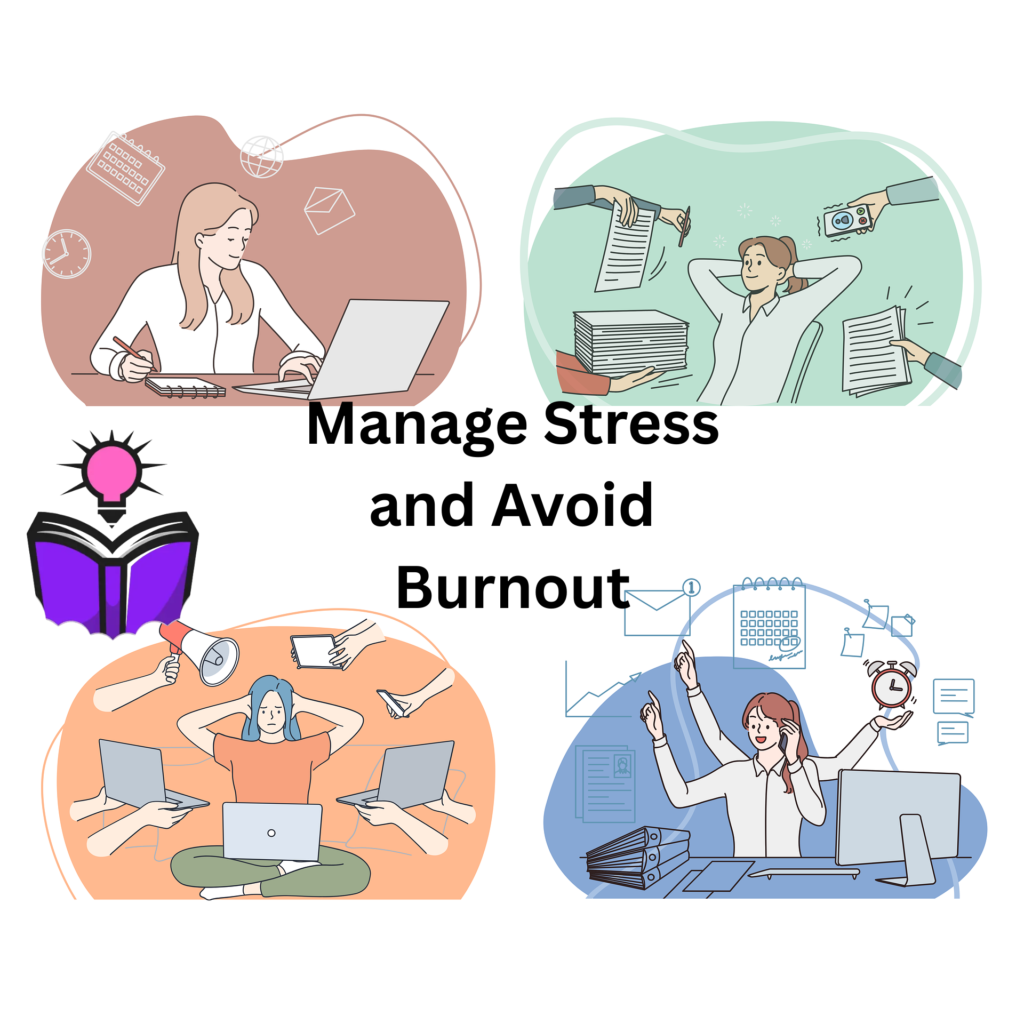
Manage Stress and Avoid Burnout
Exam preparation can be stressful, especially for students juggling multiple subjects and responsibilities. High stress levels can quickly drain motivation and make studying feel overwhelming.
Taking care of your mental and physical health is essential during this time. Getting enough sleep, staying hydrated, and eating balanced meals all contribute to better focus and energy.
Short breaks during study sessions are also important. Techniques like the Pomodoro method, where students study for 25 minutes and then take a short break, help maintain concentration while preventing mental fatigue.
Exercise is another powerful stress reliever. Even a short walk can refresh your mind and restore motivation.
Remember that productivity is not about studying nonstop for hours. It’s about maintaining consistent focus over time.
Surround Yourself With Positive Influence
Motivation can also be influenced by the people around you. Studying with classmates or friends who are serious about their goals can create a sense of accountability and encouragement.
Study groups allow students to discuss difficult topics, share resources, and test each other’s knowledge. Explaining concepts to others not only helps them but also strengthens your own understanding.
Positive support from family members can also make a difference. When those around you encourage your efforts, it becomes easier to stay committed to your study goals.
At the same time, it’s important to limit time with people who constantly distract you from your responsibilities during exam preparation.
The environment you create socially is just as important as the environment you create physically.
Visualize Your Success
Visualization is a technique used by athletes, professionals, and successful students alike. It involves imagining the positive outcome of your efforts.
Picture yourself walking into the exam room feeling confident and prepared. Imagine receiving your test results and seeing the grades you worked so hard to achieve.
This mental exercise strengthens motivation because it reminds you why your effort matters.
Visualization also helps reduce anxiety. When your mind becomes familiar with the idea of success, exams begin to feel less intimidating.
By focusing on the outcome you want, studying becomes a step toward making that vision a reality.
Track Your Progress
One of the most powerful motivators during exam preparation is seeing improvement over time. Tracking your progress helps reinforce the idea that your hard work is paying off.
Keeping a study journal or checklist allows you to record what you’ve completed each day. Watching topics get checked off your list creates a sense of accomplishment.
Practice test scores are another helpful progress indicator. Even small improvements can boost confidence and encourage continued effort.
Without tracking progress, it’s easy to feel like your studying isn’t making a difference. Visible progress, however, reminds you that every study session is moving you closer to success.
Accept That Motivation Won’t Always Be Perfect
One important truth about motivation is that it naturally fluctuates. Some days you will feel energized and productive, while other days studying may feel like a struggle.
This is completely normal.
Successful students don’t rely on motivation alone. They rely on discipline and routines that keep them moving forward even when motivation is low.
Instead of waiting until you feel inspired to study, commit to starting anyway. Often, motivation appears after you begin working.
The hardest part of studying is usually the first few minutes. Once you get started, it becomes much easier to continue.
Consistency, not perfection, is what ultimately leads to exam success.
Final Thoughts
Staying motivated while studying for exams is a challenge that nearly every student faces. The pressure of academic expectations, busy schedules, and constant distractions can make it difficult to maintain focus and energy.
However, motivation can be strengthened through practical strategies. Setting clear goals, creating a consistent study routine, breaking tasks into smaller steps, and using active learning methods can transform the way you approach exam preparation.
Equally important is taking care of your mental and physical well-being. Regular breaks, healthy habits, and positive social support all contribute to maintaining the motivation needed for long-term success.
Remember that exam preparation is not just about memorizing information. It’s about building discipline, confidence, and resilience—skills that will benefit you far beyond the classroom.
By applying these strategies, students can turn exam preparation into a structured, manageable, and even rewarding experience. With the right mindset and approach, staying motivated while studying becomes not just possible, but sustainable throughout the entire exam season.