
How to Switch Careers Without Starting Over: The Smart Path to Reinventing Your Future
What if the career you’ve built for years…
isn’t the one you want anymore?
For many people, that moment creeps in quietly—during a late-night drive home, a draining Monday meeting, or a sudden realization that the spark has faded. But here’s the twist: switching careers doesn’t have to mean wiping your professional slate clean.
In fact, the secret most people never realize is this:
👉 You already have more transferable value than any new field expects.
Welcome to your step-by-step guide on changing careers without starting over—a methodical, strategic, and surprisingly empowering process that turns your existing experience into your strongest advantage.

1. Start With Your “Career Capital” (It’s More Valuable Than You Think)
Before you take one step toward your new path, you need to uncover the assets you’re bringing with you.
This is your career capital—the skills, traits, and expertise you’ve earned through years of work.
Most career changers assume a new industry means beginning from zero. But industries today value:
- Problem-solving
- Communication and leadership
- Project and time management
- Customer and client experience
- Digital literacy
- Adaptability
Those skills don’t disappear—they transfer.
Suspense tip:
Most people only realize they already qualify for roles in a “new” field after they apply. You get to realize that before you ever submit a resume.

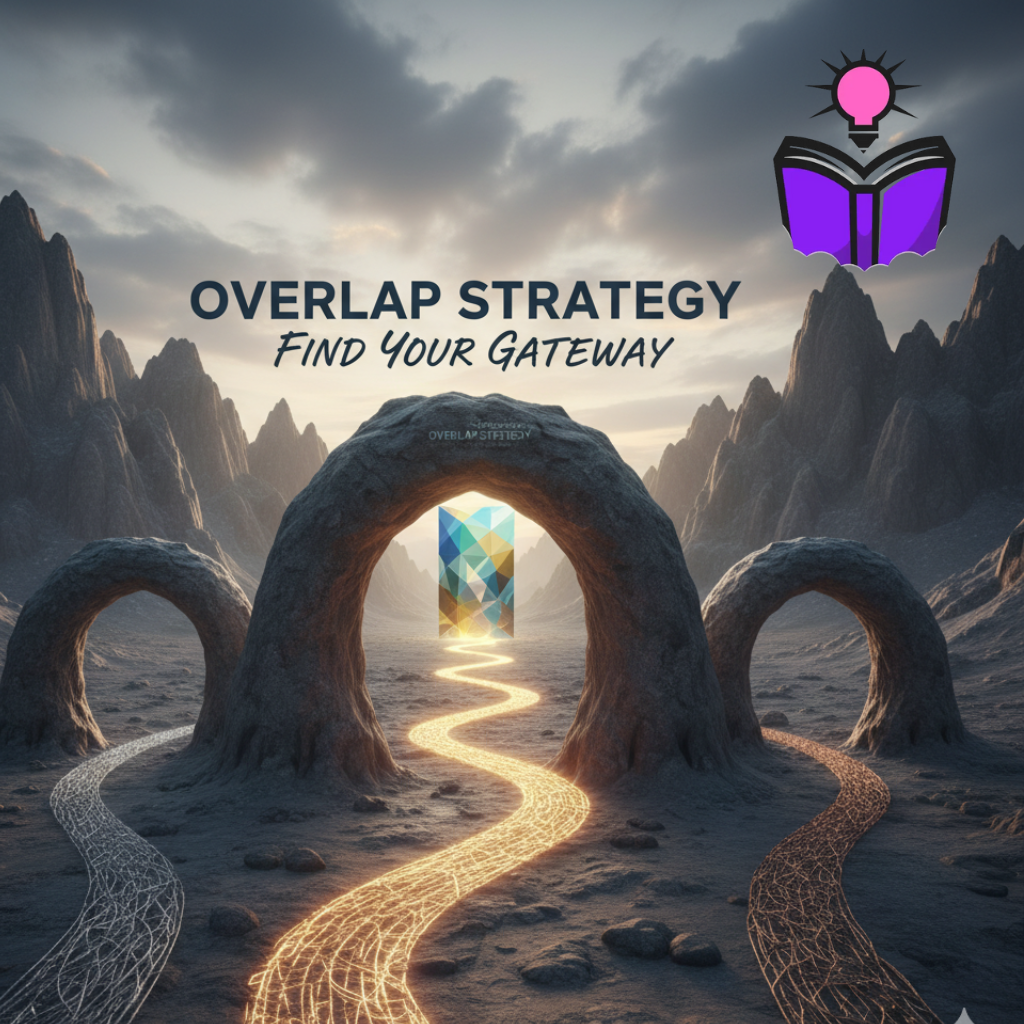
2. Use the Overlap Strategy: Find Your Gateway Roles
Instead of jumping into a new career cold, use what I call the Overlap Strategy:
Find roles that sit between your current field and the one you want to enter.
For example:
- Teacher → Learning & Development Specialist
- Retail Manager → Operations Coordinator
- Journalist → Content Strategist
- Customer Support → UX Research
- Accountant → Data Analyst
These gateway roles eliminate the need for starting at entry-level. They help you hop sideways—not backward—into your next career.y
3. Learn Only What You Need: The “Just-Enough Upskilling” Method
You do not need another four-year degree to switch careers.
Instead, focus on:
- Short certificates
- Employer-recognized online courses
- Micro-credentials
- Workshops
- Portfolio-building projects
The goal is not to become an expert overnight.
The goal is to become hire-ready.
Because the biggest career-changing mistake is over-learning and under-applying.

4. Reframe Your Experience for a New Audience
Your resume doesn’t change your past—it changes how your past is interpreted.
Rewrite your experience using:
- Industry keywords from your new field
- Project outcomes instead of job duties
- Leadership moments
- Measurable results
- Skills-first formatting
And the suspenseful part?
Once you translate your old experience into new value-language, you’ll notice your resume suddenly looks like it always belonged to the industry you’re aiming for.
5. Build a “Proof Portfolio” to Make Employers Say Yes Faster
In a career change, employers don’t only want to hear what you can do—they want to see it.
Create small, fast, high-impact proof projects, such as:
- A case study
- A sample project
- A mock campaign
- A redesigned process
- A short analysis
- A content sample
- A mini problem-solving breakdown
This instantly boosts your credibility and puts you ahead of candidates who have experience but no proof.

6. Use Strategic Networking (The Part That Changes Everything)
Here’s the suspenseful truth:
Up to 70% of career-changing hires come through connections—not applications.
Networking doesn’t mean begging for favors. It means:
- Joining niche industry communities
- Commenting on field-related posts
- Messaging professionals with specific questions
- Attending micro-events or webinars
- Sharing your learning journey online
Once the right people recognize your interest and consistency, the gate to your new field opens much faster.

7. Start Before You’re Ready (Your Future Self Will Thank You)
The biggest reason people delay a career change is fear—fear of failing, looking inexperienced, or stepping into the unknown.
But here’s the twist:
Your first step doesn’t have to be big.
It just has to be real.
Apply for one role.
Reach out to one new contact.
Build one proof sample.
Take one mini-course.
That is how you switch careers without starting over.
Not by leaping…
But by layering.

Final Thoughts: You’re Not Starting Over—You’re Leveling Up
A career change isn’t a reset button.
It’s a rebuild using stronger materials, a clearer vision, and far more awareness than you had at the beginning of your journey.
You’re not a beginner.
You’re a seasoned professional entering a new chapter—one that may finally align with your skills, your goals, and the life you want.
Your next career isn’t waiting for a perfect version of you.
Just the version willing to begin.