
How to Use Mind Mapping for Exam Success
Exams can feel overwhelming, especially when you’re faced with dense textbooks, endless notes, and tight deadlines. Whether you’re a high school student preparing for finals, a college student tackling midterms, or an adult learner studying for certification exams, the challenge is the same: how do you understand, remember, and recall large amounts of information efficiently?
This is where mind mapping becomes a powerful study tool. Mind mapping is more than just drawing diagrams—it’s a strategic way to organize information, boost memory, and improve exam performance. When used correctly, it can help students study smarter, not longer.
In this guide, you’ll learn how to use mind mapping for exam success, why it works so well for the brain, and how students across the United States can apply it to different subjects and exam types.

What Is Mind Mapping?
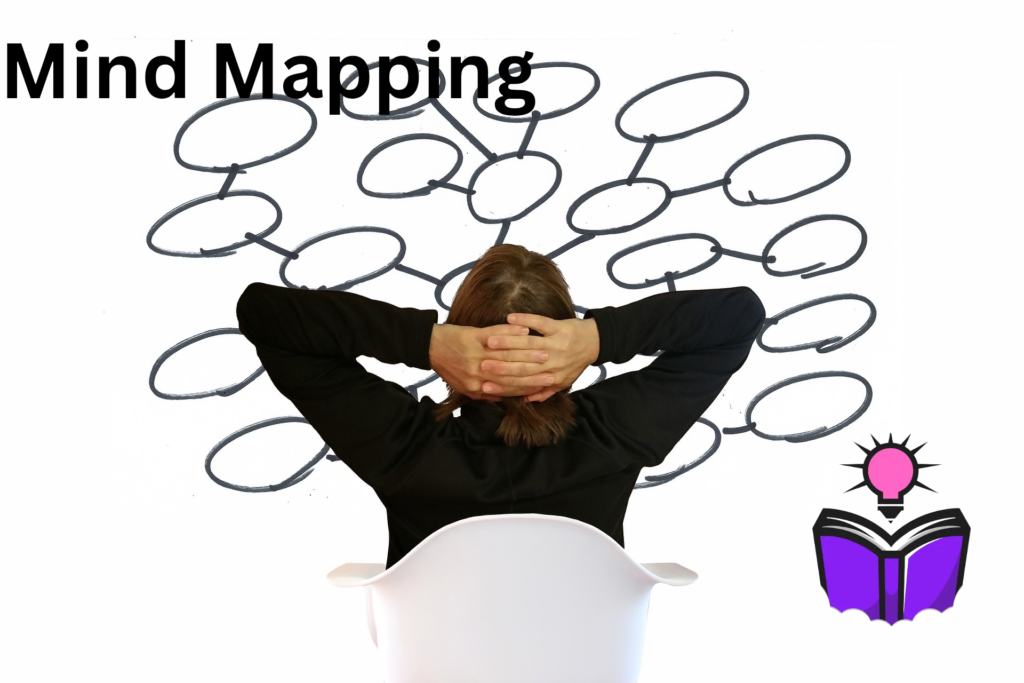
Mind mapping is a visual learning technique that organizes information around a central idea. Instead of writing long, linear notes, you place the main topic in the center of the page and branch related ideas outward. Each branch represents a key concept, and smaller sub-branches break those concepts into details.
This approach mirrors how the human brain naturally processes information. Rather than thinking in straight lines, our brains work through associations, connections, and patterns. Mind maps take advantage of this natural process, making it easier to understand and remember information.
For exam preparation, mind maps allow students to see the “big picture” while still capturing essential details, which is especially helpful when reviewing complex topics.
Why Mind Mapping Works for Exam Preparation
Mind mapping isn’t just popular because it looks creative—it’s effective because it engages multiple parts of the brain at once. When students create mind maps, they combine words, colors, spatial awareness, and logical structure. This multi-sensory engagement leads to stronger memory formation.
Another reason mind mapping works so well is that it encourages active learning. Instead of passively rereading notes or highlighting textbooks, students must analyze information, identify key ideas, and decide how concepts relate to one another. This process deepens understanding and improves long-term retention.
For exam success, this means less cramming and more meaningful learning. Students often find they can recall information faster during tests because they remember the structure and layout of their mind maps.

Benefits of Mind Mapping for Students in the United States
Students in the U.S. face a wide range of academic demands, from standardized tests like the SAT and ACT to Advanced Placement exams, college finals, and professional certifications. Mind mapping offers benefits that apply across all these contexts.
One major advantage is time efficiency. With busy schedules that often include extracurricular activities, part-time jobs, and family responsibilities, students need study methods that maximize results in limited time. Mind maps condense large amounts of information into a single, easy-to-review visual.
Mind mapping also supports different learning styles. Visual learners benefit from diagrams and colors, while logical learners appreciate the structured breakdown of ideas. Even students who struggle with traditional note-taking often find mind maps more approachable and engaging.
Additionally, mind mapping reduces study-related stress. Seeing information organized clearly can make exams feel more manageable, boosting confidence and motivation.
How to Create an Effective Mind Map for Exams
Creating a mind map is simple, but doing it effectively requires intention. The goal is not to include everything, but to capture what matters most.
Start by placing the exam topic in the center of your page. This could be a subject like “U.S. History Final Exam” or a specific unit such as “Photosynthesis” or “Algebra Functions.” Write it clearly and make it stand out.
From the center, draw branches for the main categories or themes related to the topic. For example, in a biology exam, these might include definitions, processes, formulas, and examples. Keep each branch labeled with short phrases or keywords rather than full sentences.
As you expand outward, add sub-branches for supporting details. This could include dates, formulas, steps, or key facts. The further you move from the center, the more specific the information becomes.
Use colors to separate branches and emphasize important ideas. Color-coding helps the brain distinguish between concepts and improves recall during exams. Symbols, arrows, and simple drawings can also enhance understanding, especially for visual learners.
Choosing the Right Tools for Mind Mapping
Mind maps can be created using either paper or digital tools, and both options have their advantages. Many students in the United States still prefer pen and paper because handwriting helps reinforce memory. Drawing by hand also allows for more creativity and flexibility.
Digital mind mapping tools, on the other hand, offer convenience and organization. They are especially useful for college students and professionals who study on laptops or tablets. Digital tools make it easy to edit, reorganize, and store multiple mind maps in one place.
Regardless of the tool you choose, the effectiveness of mind mapping depends more on how you use it than on the medium itself. Consistency and engagement matter far more than perfection.
Using Mind Maps for Different Exam Subjects
Mind mapping is versatile and can be adapted to nearly any subject. Understanding how to apply it to specific areas can dramatically improve exam results.
For math and science exams, mind maps work well for organizing formulas, processes, and problem-solving steps. Instead of memorizing isolated equations, students can see how formulas connect to concepts and applications. This makes it easier to choose the right approach during exams.
In subjects like history, psychology, or social studies, mind maps help students organize timelines, theories, and cause-and-effect relationships. Visualizing how events or ideas influence one another leads to deeper comprehension.
For language arts and writing exams, mind maps are useful for analyzing literature, planning essays, and understanding grammar rules. Students can map themes, character relationships, and argumentative structures before writing.
Even for professional exams such as nursing boards, real estate licensing, or IT certifications, mind maps help break down large bodies of information into manageable sections.
How to Use Mind Mapping During the Study Process
Mind mapping is most effective when used throughout the study process, not just at the end. One effective approach is to create an initial mind map after your first exposure to a topic. This helps you identify what you already know and what needs further review.
As you continue studying, update and expand your mind maps. Add details, clarify connections, and refine your understanding. This ongoing interaction reinforces learning and highlights gaps before exam day.
In the final days before an exam, mind maps become powerful review tools. Instead of rereading entire chapters, students can review several mind maps in a short amount of time, refreshing their memory efficiently.
Some students also find it helpful to redraw mind maps from memory. This practice strengthens recall and reveals which areas need more attention.
Common Mind Mapping Mistakes to Avoid
While mind mapping is simple, certain mistakes can reduce its effectiveness. One common issue is including too much information. Overcrowded mind maps can become confusing and defeat the purpose of simplification.
Another mistake is copying textbook content word for word. Mind maps should use keywords and phrases that trigger understanding, not full paragraphs. The act of summarizing is what strengthens learning.
Students sometimes focus too much on making their mind maps look perfect. While neatness helps, effectiveness matters more than aesthetics. A mind map should serve as a learning tool, not an art project.
Finally, creating mind maps passively without engaging with the material limits their value. The real benefit comes from thinking critically about how ideas connect.
Mind Mapping and Memory Retention
One of the strongest advantages of mind mapping is its impact on memory retention. By organizing information spatially and visually, mind maps create mental “anchors” that make recall easier during exams.
Many students report that during tests, they can mentally picture their mind map and retrieve information based on where it was located. This is particularly useful for essay questions and problem-solving tasks.
Mind mapping also supports long-term retention, making it ideal for cumulative exams. Instead of forgetting information after a test, students retain knowledge that can be built upon in future courses.
Using Mind Mapping for Test Anxiety and Confidence
Test anxiety is common among students in the United States, especially in high-stakes testing environments. Mind mapping can help reduce anxiety by increasing preparedness and clarity.
When students understand how topics fit together, exams feel less unpredictable. Mind maps provide a sense of control and organization, which can significantly improve confidence.
Studying with mind maps also encourages shorter, more focused study sessions, reducing burnout and mental fatigue. This balanced approach leads to better performance and a healthier mindset around exams.
How Parents and Educators Can Support Mind Mapping
Parents and educators play an important role in helping students succeed with mind mapping. Encouraging students to experiment with this technique can open new pathways to learning, especially for those who struggle with traditional study methods.
Teachers can integrate mind mapping into lesson reviews or exam preparation activities. Parents can support younger students by helping them create simple mind maps at home and praising effort rather than perfection.
For college students, academic advisors and tutors often recommend mind mapping as part of effective study strategies. When supported consistently, this skill becomes a lifelong learning tool.
Making Mind Mapping a Long-Term Study Habit
The true power of mind mapping comes from regular use. Students who integrate mind mapping into their daily or weekly study routines often see consistent improvements in comprehension and grades.
Start small by creating mind maps for one subject or chapter. As confidence grows, expand the technique to other courses. Over time, mind mapping becomes faster and more intuitive.
Because mind mapping encourages active engagement, it helps students develop critical thinking skills that extend beyond exams into careers and real-world problem-solving.
Final Thoughts on Mind Mapping for Exam Success
Mind mapping is more than just a study trick—it’s a strategic approach to learning that aligns with how the brain naturally works. For students in the United States facing demanding academic environments, it offers a practical, engaging, and effective way to prepare for exams.
By organizing information visually, strengthening memory, and reducing stress, mind mapping empowers students to take control of their learning. Whether you’re preparing for a high school final, a college exam, or a professional certification, mastering mind mapping can make a meaningful difference in your academic success.
Start with one topic, stay consistent, and let your mind maps guide you toward clearer understanding and better exam performance.