
The Importance of Continuous Learning in Career Advancement
Why developing new skills is the key to long-term success
In today’s fast-paced professional world, one thing has become crystal clear: continuous learning isn’t optional—it’s essential. Whether you’re just starting your career or already years into your field, the ability to grow, adapt, and expand your knowledge directly influences your opportunities for advancement.
This guide explores why continuous learning matters, how it fuels career growth, and the best ways to incorporate it into your professional journey.
What Is Continuous Learning?
Continuous learning refers to the ongoing process of acquiring new skills, knowledge, and competencies throughout one’s career. It goes beyond formal education and includes online courses, certifications, workshops, mentorship, industry research, and even informal learning opportunities.
In simple terms: learning never stops—and shouldn’t stop—if you want to stay valuable in your field.
1. The Workplace Is Evolving Faster Than Ever
Industries across the globe are being reshaped by technology, innovation, and shifting market needs. As a result, employers increasingly value professionals who can adapt quickly.
- New software and tools appear constantly
- Job roles are expanding or changing
- Automation is redefining traditional responsibilities
By continuously learning, you stay ahead of trends rather than struggling to catch up.
2. Continuous Learning Boosts Career Opportunities
If you’re aiming for promotions, leadership roles, or specialized career paths, ongoing skill development is one of the most effective ways to stand out.
How it helps you advance:
- Demonstrates initiative and ambition
- Builds credibility and expertise in your field
- Enhances problem-solving and decision-making skills
- Prepares you for more responsibility
Hiring managers and leaders consistently favor employees who invest in themselves.

3. It Increases Job Security
In competitive job markets, the employees who understand new technologies, updated processes, or emerging industry standards are the ones who stay the most valuable.
Continuous learning protects your career by ensuring you don’t become outdated or easily replaceable.

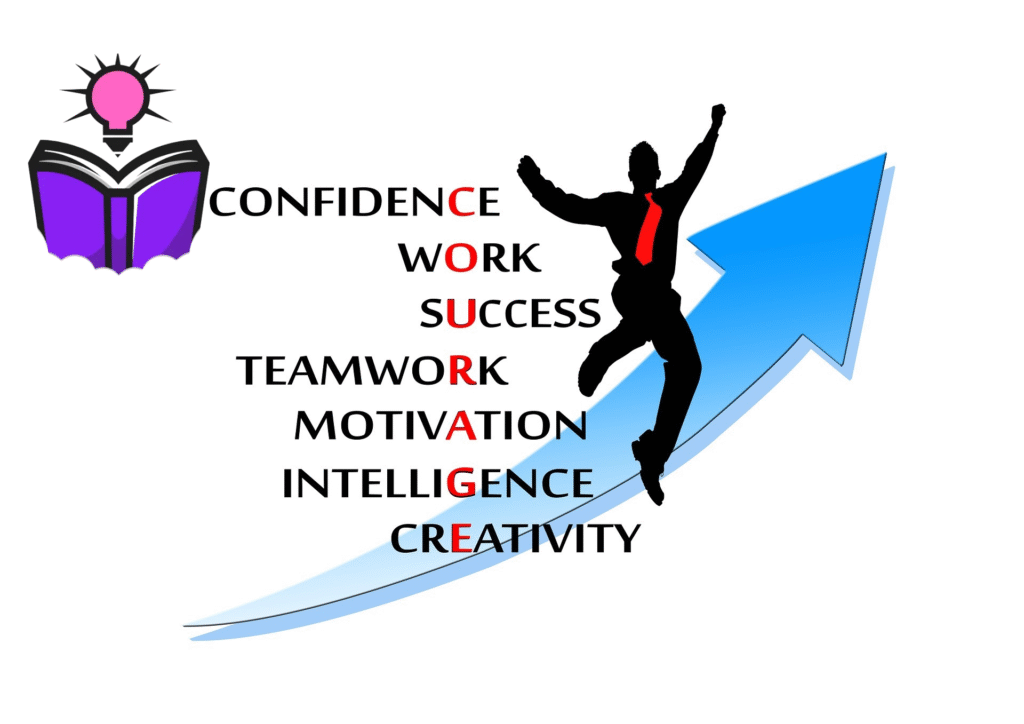
4. Learning Builds Confidence and Creativity
Knowledge doesn’t just improve performance—it transforms your mindset.
- You approach challenges with greater confidence
- You develop more creative solutions
- You become more adaptable under pressure
Professionals who learn regularly tend to bring fresh ideas that stand out in the workplace.
5. Employers Now Expect a Learning Mindset
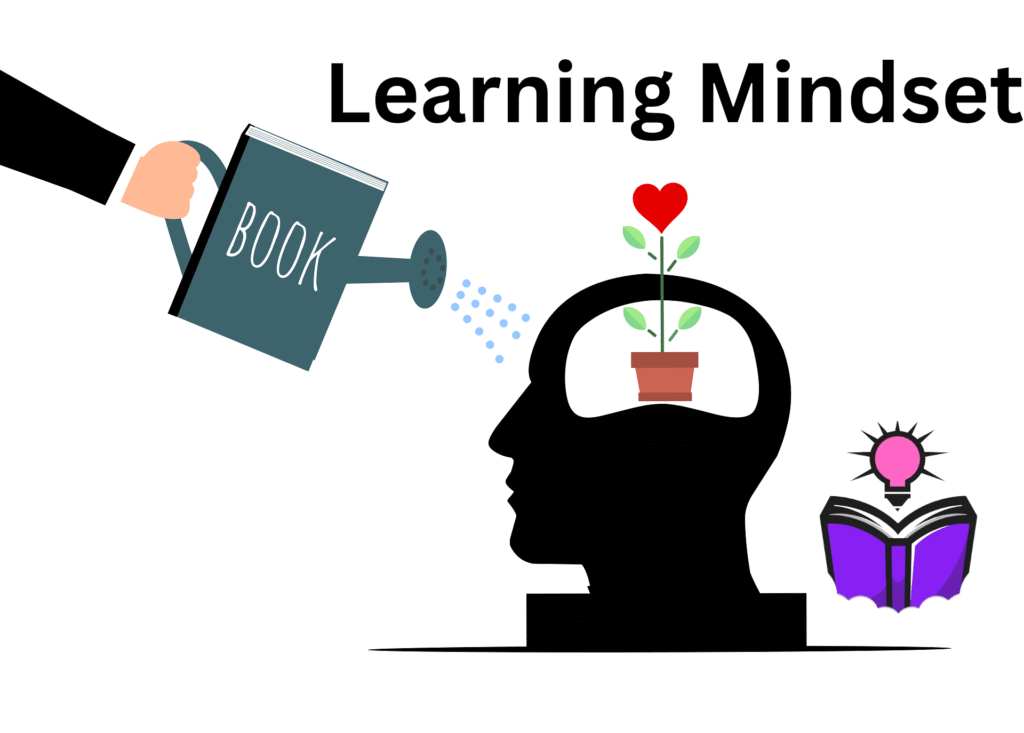
Modern companies aren’t just encouraging continuous learning—they’re prioritizing it. Many organizations offer:
- Paid training programs
- Online learning platforms
- Professional development budgets
- Mentorship initiatives
Why? Because employees who learn more contribute more.
How to Start Continuous Learning (Even With a Busy Schedule)
1. Take Online Courses
Platforms like Coursera, LinkedIn Learning, and Udemy offer flexible, high-impact courses that fit any schedule.
2. Attend Workshops and Webinars
These provide hands-on insights and opportunities to connect with experts.
3. Read Industry Blogs and Publications
Stay updated on trends, strategies, and best practices.
4. Pursue Certifications
Certifications validate your expertise and significantly boost your resume.
5. Learn From Mentors and Peers
Real-world experience shared by others can be just as valuable as formal training.
Final Thoughts: Learning Is Your Long-Term Career Advantage
Continuous learning is no longer a choice—it’s a strategic investment in your future. By staying curious and proactive, you open the door to promotions, better opportunities, higher earning potential, and long-term career satisfaction.
In an ever-changing world, the most successful professionals are the ones who never stop learning.